|
|


Greetings HSD community,
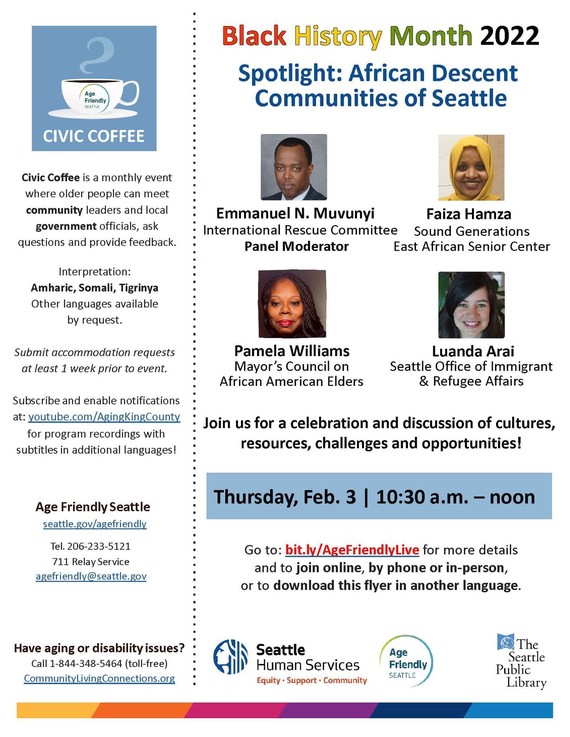
We’re a part of an amazing community full of racial and cultural diversity. Throughout the month of February, we celebrate Black history, culture, leadership, reliance, wisdom, ingenuity, and joy. Uplifting the monumental contributions and role of Black people in our community in February is wonderful, but we shouldn’t limit ourselves to 28 days of reflection and learning. We must reaffirm each day in our words and actions that Black Lives Matter and are sacred.
Nikole Hannah-Jones, an investigative journalist known for her coverage of civil rights in the United States, captures this so well in the seminal New York Times’ 1619 Project: “The bloody freedom struggles of the civil rights movement laid the foundation for every other modern rights struggle.”
African Americans have been at the forefront of resistance and raising the collective consciousness of this country. That said, the work to confront and address the realties that continue to affect the Black community is collective and must be shared. Helping all people access opportunity and thrive is part of HSD’s mission, and we hold ourselves accountable, through our work, for taking concrete anti-racist action daily to advance racial equity and social justice.
I encourage everyone to visit the City of Seattle Municipal Archives webpage to learn more about Black History Month in Seattle. The Black Dollar Days Task Force King County Reparations Project is hosting a virtual and in-person event in remembrance of the Black Wall Street Massacre with Dr. Phil Armstrong, Director of the Black Wall Street Museum on Saturday, Feb. 5.
Learn more about Black History Month celebrations and events in Seattle:
All my best,
Tanya Kim
|
|
|
|
Winter brings snow, ice, and cold. This makes traveling difficult for buses, emergency vehicles, and you. Winter weather also puts people at risk who are experiencing health problems and homelessness. Plus, cold temperatures can cause pipes to freeze and burst.
Seattle.gov/winterweather brings together information from multiple City sources as well as some of our partner agencies. Learn where to call to report downed power lines and fallen trees. Sign up for AlertSeattle. Find maps of road closures and bus reroutes. Learn when HSD opens severe weather shelters. And much, much more...
|
|
The City of Seattle and partners are currently hosting fixed COVID-19 vaccination clinics.
ID and insurance are not required to receive a COVID-19 vaccine at any City of Seattle site or mobile clinic. If you are receiving a second dose or booster, please bring your proof of vaccination with you. Undocumented immigrants can be vaccinated at any Seattle vaccination site. Your medical information is private, and vaccine providers will not share it with federal immigration law enforcement agencies.
Information is also available in Amharic, Chinese, Korean, Somali, Spanish, and Vietnamese.
|
|
|
On Human Interests: HSD Announces Funding Awards to Address Reentry Services and Rerooting Programming

The Seattle Human Services Department (HSD) is pleased to announce the results of the Supportive Reentry RFP which closed November 5, 2021.
Last year, thanks to the recommendations of the Equitable Communities Initiative Task Force, $1,383,000 in City of Seattle General Fund was allocated to funding culturally appropriate reentry services and rerooting programming for BIPOC currently and formerly incarcerated individuals. The Equitable Communities Initiative Task Force is a diverse group of people of color and community leaders representing a cross-section of industries, including environmental justice, who came together to spearhead the process of developing recommendations for a $30 million investment into our Black, Indigenous, and People of Color communities. Initial funding is for the period of December 15, 2021-December 31, 2022.
In response to this RFP, HSD received 26 proposals totaling $5,885,112 in requested funds from agencies. The 26 proposals were forwarded to the rating panel to be read and rated individually, and then as a group. This rating panel was comprised of community members and staff who were of, and/or work with, the focus and priority populations of this RFP. Raters held content expertise in community-led solutions to supportive reentry programs for BIPOC Communities in the City of Seattle, King County, and Washington State. Raters were age, gender, and ethnically diverse and represented multiple cultures and communities.
The top nine rated proposals were recommended for funding, although none of the agencies received the full amount requested. Read more about a few of them on our blog, and see what some of our partners had to say about the importance of this funding…
|
On AgeWise King County:2022 Black History Month Word Scramble
Black History Month is an annual celebration of achievements by Black Americans and a time to reflect upon their struggles and triumphs throughout history. Learn more on the History Channel’s Black History Month website. For local history, take time to visit the Northwest African American Museum—in person and by using their online resources. Although the answers are listed at the bottom of the puzzle page, take time to learn from the questions by looking these individuals up on Google!
Click here to print your copy of the puzzle.
|
On Public Health Insider: Why Should I Get a Booster If I Might Get COVID Anyway?
Most everyone knows someone who is sick or has recently had COVID since the extremely contagious Omicron variant started to spread. And it’s possible that someone you know has had COVID even if they got a booster shot. So at this point, you might be thinking: “Why should I get a booster if I might get COVID anyway?”
It’s a valid question – and the feelings of frustration, anger and exhaustion that many of us are feeling are completely understandable.
But while it’s possible to get infected even if you’ve had a booster, booster shots are very effective where it matters most: they help prevent severe illness, the kind that fills up hospital beds and leads to death. And that’s why it’s still important to get that booster.
How can boosters maximize your protection against COVID-19? Help keep you from getting sick? Help keep you out of the hospital if you do? And help prevent community spread? Visit the blog to learn more about how boosters reduce your risk of a breakthrough case.

2022 Notice of Funding Availability
HSD was pleased to issue its 2022 Notice of Funding Availability (NOFA) related to the following investments:
- Farm to Table Support Services
- Youth and Young Adult Behavioral Health
- Gender-Based Violence (GBV) Victim Services
- Batterer Intervention Services
-
Gender-Based Violence (GBV) Legal Services
This notice provides an overview of HSD’s impending funding opportunities for 2022 with a brief description of the service areas for each opportunity, anticipated funding amounts, release dates, and contract start dates. Once finalized, HSD will issue detailed funding opportunities for each investment.
HSD presented to the Seattle City Council Public Safety and Human Services Committee on January 25, providing more info from staff about the five planned investments—plus a sneak peek at possible 2023 funding opportunity areas. Watch video of the presentation on Seattle Channel's YouTube channel.
HSD recommends parties interested in applying for HSD funds review our Funding Opportunities page regularly and subscribe to the HSD Funding Opportunities email list.
|
|
|
 The Seattle Human Services Department (HSD) connects people with resources and solutions during times of need so we can all live, learn, work, and take part in strong, healthy communities.
HSD is one of the largest contributors to Seattle's safety net, investing hundreds of millions of dollars in contracts to more than 200 community-based organizations and programs that support Seattle neighbors and communities each year. About 400 staff further the department’s role as a funder, convener, and direct service provider to achieve positive results. HSD invests in innovative strategies and effective programs and services that promote racial equity, support basic needs in our communities, and foster connection through collaborative approaches to address six key impact areas:
Preparing Youth for Success
Supporting Affordability and Livability
Addressing Homelessness
Promoting Public Health
Supporting Safe Communities and Safe Lives
Promoting Healthy Aging
|
|
|
|
|