 |
|
FLASHPOINT: Apartment Fire Safety |
|
|
Rooftop smoking and grilling safety
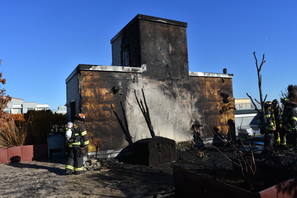
Every spring and summer as the weather warms up and building rooftops amenities get more use, the Seattle Fire Department sees an increase in the number of rooftop building fires.
Between September 2017 and September 2018, the Seattle Fire Department responded to eight significant rooftop amenity lounge fires. The total estimated loss for these fires was $468,000. The most common cause of these fires was improperly discarded smoking materials. Most of the fires occurred between May and October.
Even when smoking is not allowed on rooftops, fire Investigators frequently find cigarette butts in planter boxes and in garbage cans. Residents should be informed not to discard cigarettes in vegetation such as mulch, potted plants or landscaping, peat moss, dried grasses, leaves or other materials that could ignite easily.
|
 Building managers and owners can help reduce rooftop fires by taking a few basic safety precautions:
- Enforce smoking bans on rooftops and post no smoking signs.
- Make sure flower beds and pots are watered regularly during dry months.
- Provide metal trash containers with metal lids.
- Empty trash more often during warm weather months when rooftops are more in use.
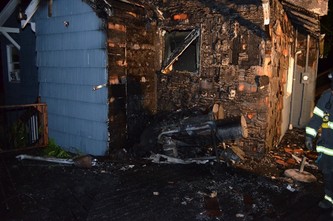
Grilling Safety
July is the peak month for grill fires, which are another common rooftop fire issue during the summer months. The leading ignition factors in grill fires are mechanical failure or malfunction, combustibles placed too close to the heat and cooking left on the grill unattended.
If rooftop grills are available, make sure residents know the following:
Setting up:
- Barbecue grills are designed for outdoor use only. Never barbecue in an enclosed area – dangerous carbon monoxide (CO) can accumulate and be deadly. If you suspect CO poisoning, call 911.
- Set-up your grill in an open area at least 10 feet away from buildings, overhead combustible surfaces, dry leaves and brush.
- Make sure all of the grilling parts are firmly in place and the grill is on a flat surface.
- The Seattle Fire Department recommends the use of one-pound propane cylinders as the least hazardous fuel source for outdoor grills.
- For propane grills, make sure the hose connection is tight and check the hoses for leaks.
During use:
- Never leave grills unattended while cooking.
- Keep a three-foot zone around the grill where children and pets aren’t allowed.
- Do not leave starter fluid, lighters or matches within the reach of children.
- Use the proper tools. Long-handled barbecue utensils and flame retardant mitts will prevent burns from heat and flame.
- For charcoal grills, avoid adding lighter fluid after the coals are lit.
|
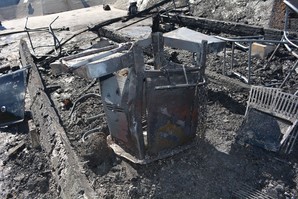
Cleaning up:
- For propane grills, turn the grill and fuel cylinder off immediately after grilling.
- For charcoal grills, allow coals to cool for 48 hours before disposing. If you are not able to wait, douse coals with plenty of water, and stir them to ensure that the fire is out. Never place coals in plastic, paper or wooden containers; place in a metal container with a tight-fitting lid.
Note: The use of barbecues in single-family homes, apartments and condominiums is not regulated by current Washington state law. However, apartment building owners and condominium associations, through lease agreements and owner’s association rules, may still prohibit or restrict use of barbecues.
|
|
|



