
OSPI SEL Newsletter August 2025
Washington Office of Superintendent of Public Instruction sent this bulletin at 08/29/2025 10:05 AM PDT
Welcome back, educators!
As we welcome students and educators back for the 2025–26 school year, we recognize the importance of intentionally supporting the social, emotional, and academic well-being of every student. Research consistently shows that when SEL is woven into the fabric of school culture, students demonstrate increased engagement, improved behavior, stronger relationships, and higher academic achievement.
This year, we encourage schools to embed SEL into daily instruction and school-wide practices. Below, we share evidence-based strategies, free resources, and age-appropriate activities that you can begin using from day one. We have also shared how the activity may align with the Washington SEL standards and benchmarks. Here is the entire list of Washington SEL standards, benchmarks and indicators.
May this year be one where all students feel safe, seen, and supported.
SEL Activities
Elementary School (Grades K–5)
1. Daily Feelings Check-In
Directions: Create a daily “Feelings Check-In” station near the classroom entrance or use a digital check-in tool. Use a visual emotions chart like the Mood Meter or Zones of Regulation. As students enter, they select how they’re feeling by placing a magnet, sticky note, or digital marker on the corresponding emotion.
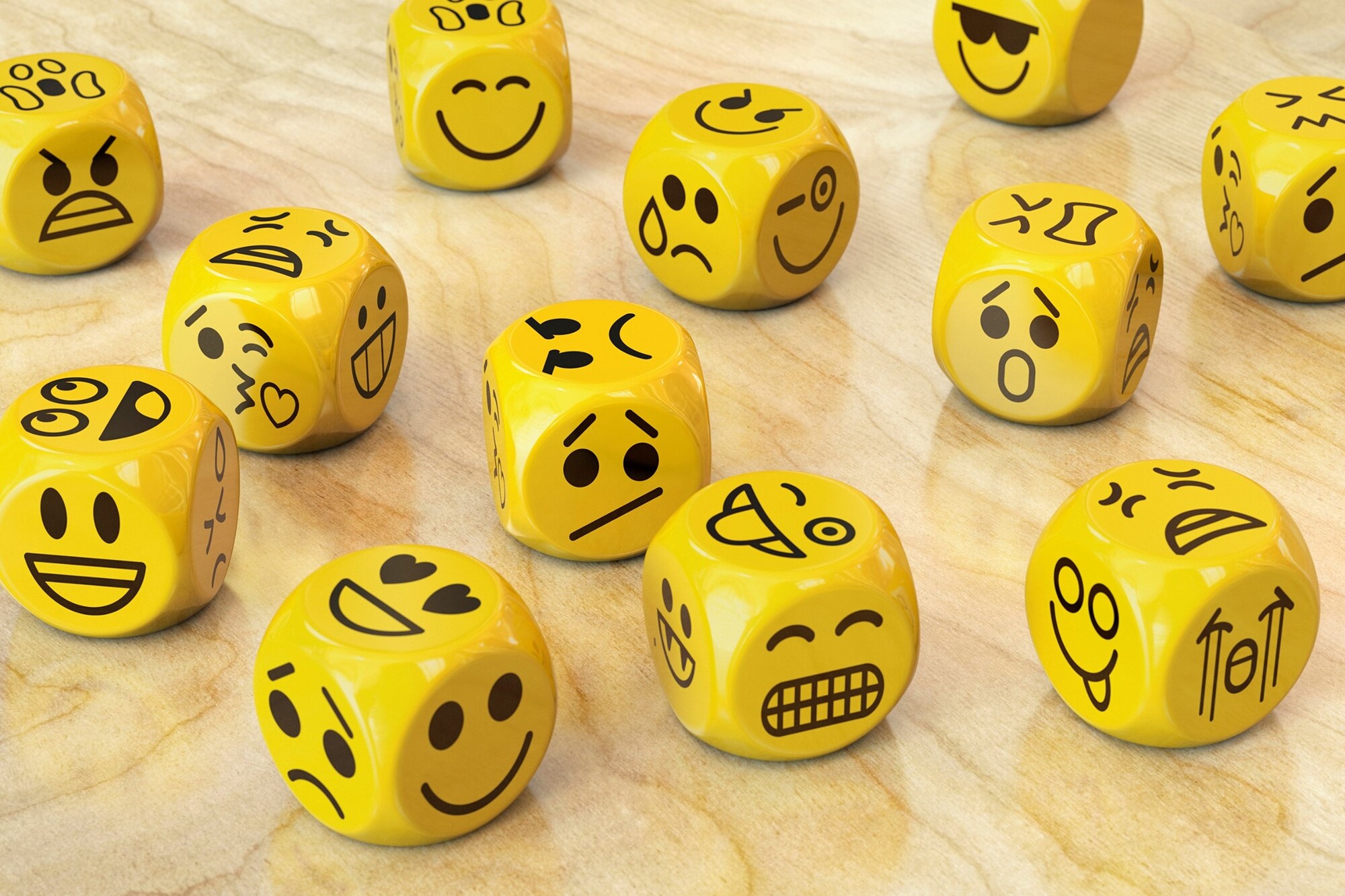
Why it Works: This activity helps develop self-awareness and emotional literacy, key components of SEL. According to Marc Brackett’s research at Yale, identifying and labeling emotions (“name it to tame it”) improves emotion regulation and classroom behavior.
Students who recognize and name their emotions are better able to manage them and are more engaged in learning (Brackett et al., 2019).
Standard 1 – Self Awareness → Benchmark 1A: Demonstrates awareness and understanding of one’s own emotions and their influence on behavior
2. SEL Read Aloud + Reflect
Directions: Choose a read-aloud book that highlights SEL themes (e.g., empathy, friendship, courage). After reading, facilitate a class discussion using 2–3 guiding questions (e.g., “How did the character show kindness?” or “Have you ever felt that way?”). Follow up with a drawing or writing reflection.
Why it Works: Stories help students understand emotions and social situations in context. Reading about others’ experiences promotes perspective-taking, which builds social awareness and empathy.
Narrative learning fosters moral development and critical thinking while increasing emotional understanding in young children (Jones & Bouffard, 2012).
Standard 4 – Social Awareness → Benchmark 4A: Demonstrates awareness of other people’s emotions, perspectives, cultures, identities
3. Kindness Challenge Wall
Directions: Designate a bulletin board or classroom space for weekly kindness challenges. Each week, introduce a simple kindness goal (e.g., “Say something encouraging to a classmate”). Students write or draw acts of kindness they complete and post them on the wall.
Why it Works: This activity encourages prosocial behavior and helps establish a positive classroom culture. It supports students in developing relationship skills and reinforces the value of contributing to a caring community.
Kindness-based classroom interventions have been shown to reduce bullying and increase peer connection (Layous et al., 2012).
Standard 6 – Social Engagement → Benchmark 6C: Contributes productively to school and community.
Middle School (Grades 6–8)
1. SEL Journaling (2–3x/week)
Directions: Set aside 5–10 minutes during advisory, homeroom, or transitions for SEL journaling. Use prompts like: 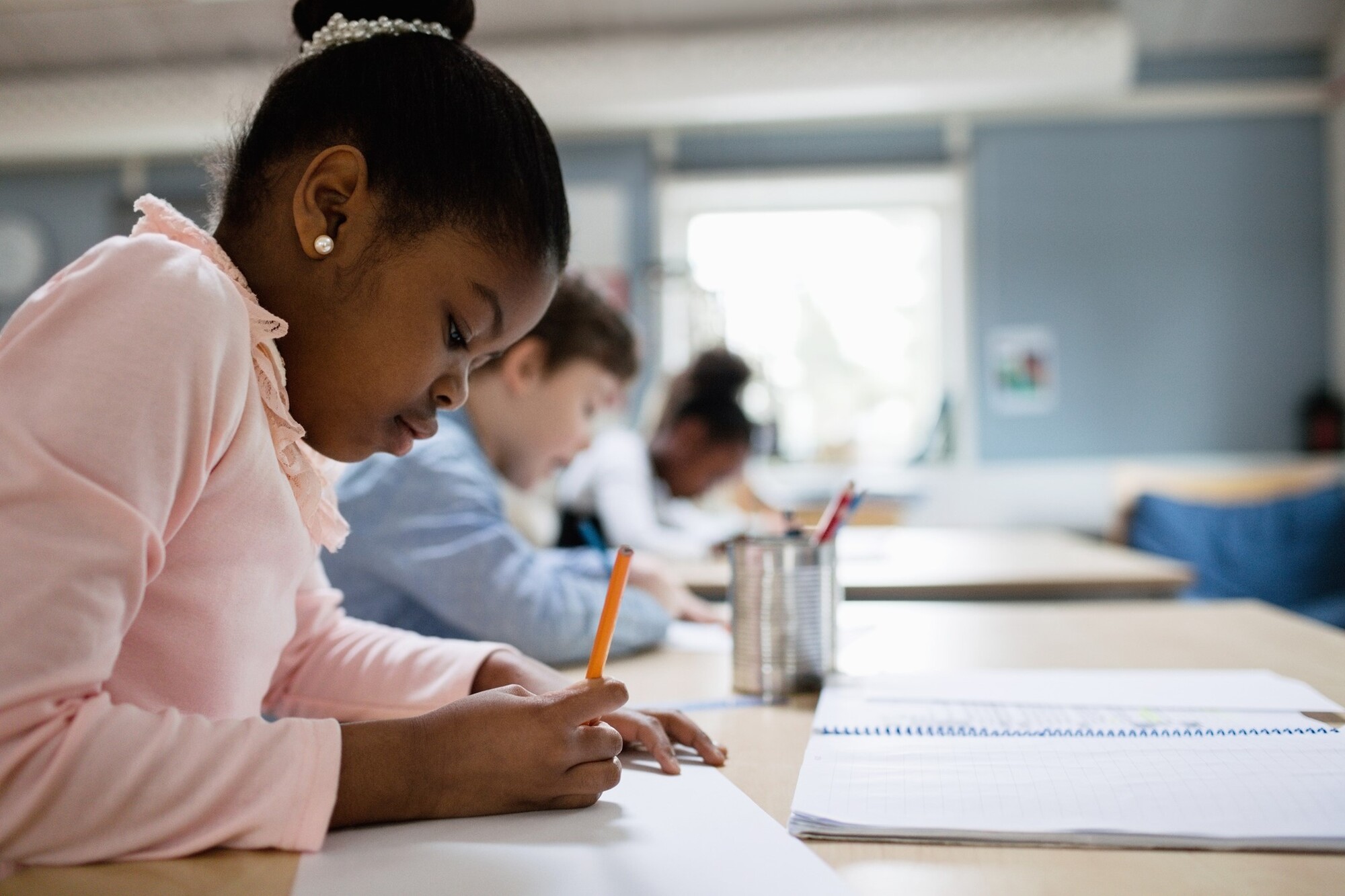
- “What helps me calm down when I feel stressed?”
- “One time I showed courage was…”
- “What kind of friend do I want to be?”
Students can choose to keep journals private or occasionally share reflections in pairs or small groups.
Why it Works: Journaling promotes self-reflection and emotional regulation, both of which are critical during early adolescence. This age group benefits from structured outlets for expressing their inner experiences.
Reflection activities are linked to improved decision-making and emotional control in adolescents (Schonert-Reichl et al., 2015).
Standard 1 – Self Awareness → Benchmark 1A (self-reflection of emotions) or Standard 2 – Self Management → Benchmark 2A (regulating emotions through writing).
2. Collaborative Class Agreements
Directions: During the first week, guide students through a class norms activity. In small groups, have them brainstorm what respectful, productive learning environments look like. Consolidate the ideas into a shared class agreement and revisit it monthly.
Why it Works: Co-creating norms fosters student ownership, accountability, and social responsibility. It’s also a proactive classroom management strategy rooted in restorative practices.
Collaborative rule-setting increases student buy-in and decreases behavioral issues (Payton et al., 2008).
Standard 5 – Social Management → Benchmark 5C: Engages in healthy, respectful relationships across diverse groups.
3. “Name It to Tame It” Emotion Lessons
Directions: Use real-world scenarios (fictional or classroom-based) to help students practice labeling emotions. Teach emotional vocabulary explicitly, then have students role-play or write about how they might respond constructively in emotionally charged situations.
Why it Works: When students can accurately identify what they’re feeling, they are more likely to use healthy coping strategies rather than react impulsively. This builds emotional intelligence.
Labeling emotions helps regulate brain activity related to fear and anger (Lieberman et al., 2007).
Standard 2 – Self Management → Benchmark 2A: Manages emotions, thoughts, impulses constructively.
High School (Grades 9–12)
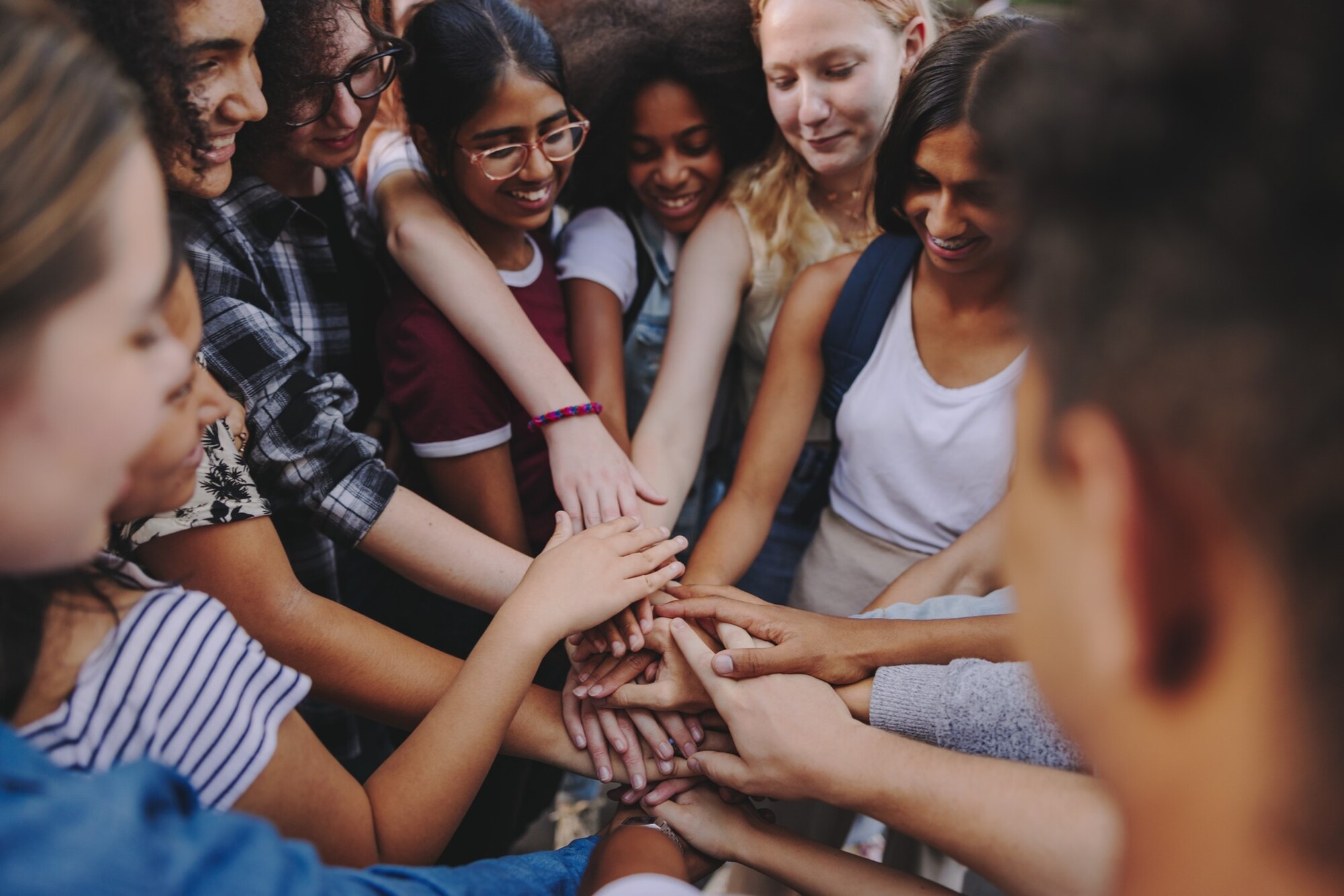
1. Community-Building Circles
Directions: Host community circles weekly during advisory, homeroom, or class. Use a talking piece and circle format to ensure equitable sharing. Prompts may include:
- “What’s something that motivated you this week?”
- “What does respect mean to you?”
- “What’s a challenge you’re working through?”
Why it Works: Circle practices build connection, trust, and a sense of belonging. This is especially important in high school, where peer relationships and identity development are central.
Circle practices reduce exclusionary discipline and increase students’ connection to school (International Institute for Restorative Practices, 2014).
Standard 4 – Social Awareness → Benchmark 4A, or Standard 5 – Social Management → Benchmark 5A: Effective communication, perspective-taking.
2. Self-Reflection & SMART Goal Setting
Directions: Guide students through setting SMART (Specific, Measurable, Achievable, Relevant, Time-bound) goals related to academics, personal growth, or relationships. Include weekly check-ins and reflection on progress and setbacks.
Why it Works: Goal setting boosts self-management, motivation, and future orientation, helping students make intentional choices and build resilience.
Students who set and monitor goals show stronger academic performance and perseverance (Zimmerman, 2002).
Standard 3 – Self Efficacy → Benchmark 3A: Sets, monitors, adapts, and evaluates goals.
3. Real-World SEL Projects
Directions: Offer opportunities for students to engage in service learning, peer mentorship, or passion projects that connect to real-world issues. Encourage student leadership in planning, implementing, and reflecting on the impact of their work.
Why it Works: Applied SEL projects give students a sense of purpose, build agency, and foster civic engagement. They link SEL skills to authentic contexts, reinforcing transferability.
Experiential learning strengthens empathy and promotes deeper, more meaningful engagement in school (Kress et al., 2004).
Standard 6 – Social Engagement → Benchmark 6A–6C: Responsibility toward school, peers, community; collaborative goal setting; community contribution.
SEL Advisory Committee
Do you want to make a difference in Social Emotional Learning in Washington? The SEL Advisory Committee is accepting applications for new members to fill vacant seats.
We would love for you to apply if you have the following:
- You have a passion for helping and working with students, and for social emotional learning
- You have the time and capacity to fill the position for one year
- You can attend the 4 committee meetings plus an additional joint meeting with the Education Opportunity Gap Oversight and Accountability Committee (EOGOAC).
Meetings are scheduled from 9:00AM-12:00PM. The dates for the 2025-2026 SEL Advisory Committee meetings are:
- Thursday, October 23, 2025
- Thursday, December 4, 2025
- Thursday, February 12, 2026
- Thursday, April 16, 2026
- Joint EOGOAC meeting-TBD
Positions that are open for application are:
1. Washington higher education faculty member with expertise in SEL
2. School psychologist
For more information on the SEL Advisory Committee, please visit our web page.

Professional Development Opportunity
You may earn 1.5 Washington clock hours for registering and attending:
Creating a Culture of Wellbeing: Foundational Course, 9/16/25, 3:30PM-5:00PM
Parent and Caregiver Engagement
SEL is a shared responsibility and skill development that transcends beyond the school setting. By engaging with parents and caregivers, schools can amp up their SEL, gain SEL support and build valuable relationships. Leading-with-SEL-Parent-Toolkit-6.pdf