 |
|
Public school districts, private schools, tribal schools, charter schools and residential childcare institutions are eligible to apply to the National School Lunch Program (NSLP) Equipment Assistance Grant. Preference will be given to Local Education Agencies (LEAs) that have not received this grant in the last three years. |
Washington state has received $170,227 to award. These funds will assist LEAs to purchase equipment to address one or more of the following goals:
- Increase scratch cooking
- Store food from local producers
- Increase efficiency when receiving food deliveries
- Improve school meal quality
- Improve food safety
- Improve working conditions for school staff
- Provide more convenience or appeal to students
- Establish, maintain, or expand the School Breakfast Program
Want to learn more?
View the NSLP Equipment Assistance Grant Interest Webinar Recording for an application overview, important changes from previous years' applications, application tips, and grant timelines.
How to Apply
Questions? Please email the CNS Grants team.
|
We are pleased to announce the winners of the Plant Based School Meals Grant for school year (SY) 2024–25!
- Dieringer
- Ellensburg
- Hood Canal
- Northshore
- Pullman
- Renton
- Vashon Island
- Walla Walla
|
|
 |
These grant funds will be spent on food supplies, delivery costs, equipment purchases, education, and other expenditures to increase student access to plant-based school meals that meet the NSLP and SBP meal pattern requirements.
We can’t wait to see and share what these awardees do!
For more information on past and current grants, please visit the CNS Grants webpage.
 |
|
National School Breakfast Week (NSBW) starts March 3!
This year's detective-themed celebration, "Clue in to School Breakfast," invites everyone to channel their inner sleuth in the quest for a delicious and nutritious breakfast!
|
Why should you participate?
Recognizing NSBW in your district or cafeteria helps you:
- Increase student participation in your program.
- Spread the message to parents that you're serving a healthy, tasty breakfast at school each day.
- Connect with teachers and administrators at your school, and throughout the district, to spread the word that school meals are healthy and delicious.
- Earn media coverage from local papers, blogs, and TV stations.
How can you participate?
-
Promote National School Breakfast Week. Download SNA's Marketing & PR Resources to increase awareness of #NSBW25!
-
Use the NSBW toolkit to plan your event. The NSBW Toolkit has prompts to help you plan your event(s), tips for engaging students, decoration ideas, and more!
- Visit the School Nutrition Association and USDA webpages for ideas and resources.
Send your #NSBW25 celebrations to SchoolMeals@k12.wa.us!

Bainbridge Island School District (BISD) highlights Local Food for Schools items
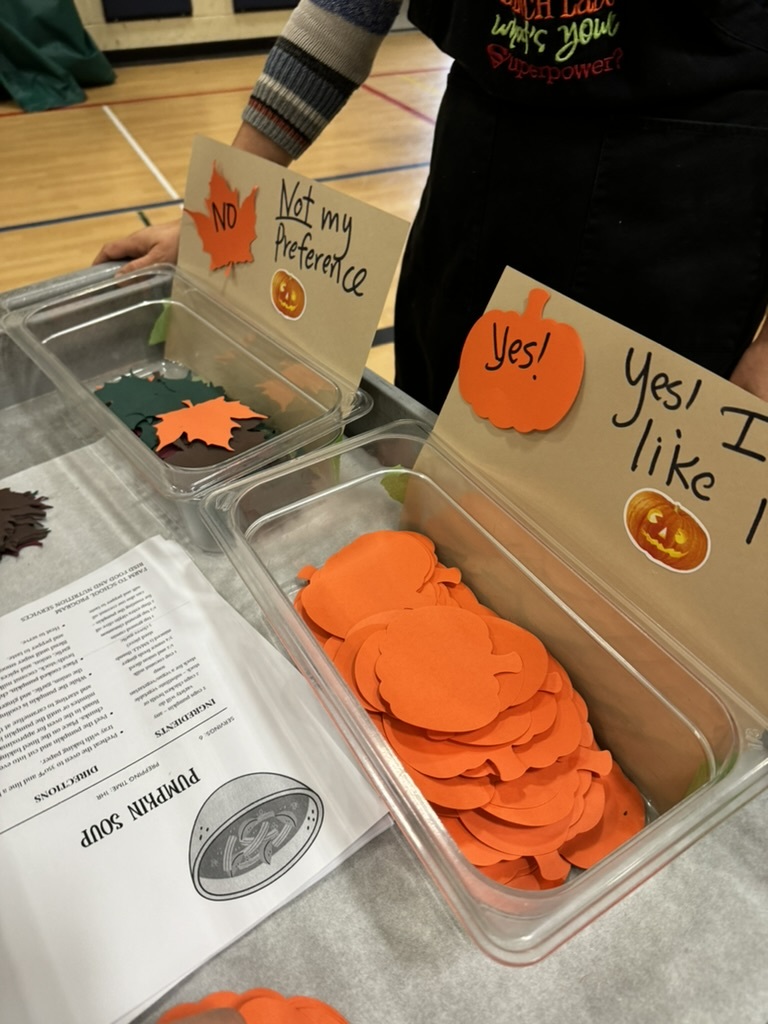 BISD recently made a pumpkin soup for students to taste using pumpkin from Bainbridge Island Farms.
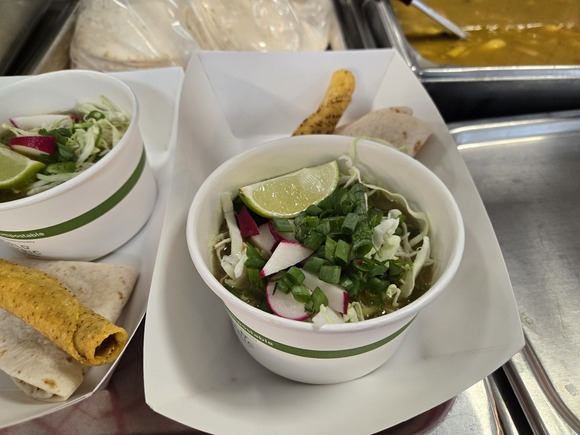 They also served pork pozole made from LFS pork.
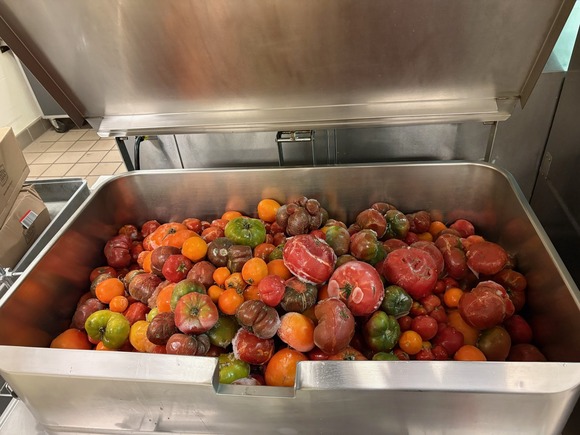 They also scratch made some marinara sauce using tomatoes from Butler Farms. Way to go BISD!
Federal Way School District
United Way King County presented Federal Way School District with a "Closing the Hunger Gap" award for their Breakfast in the Classroom work.
Check out the article featured in the Federal Way Mirror here!
Want to share your rockstar recipes? Send photos and success stories to SchoolMeals@k12.wa.us.
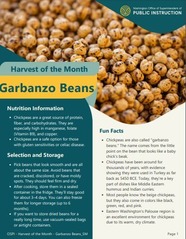
Harvest of the Month
OSPI is excited to feature Garbanzo Beans in March.
Fun Facts
- Garbanzo beans are also called chickpeas.
- Eastern Washington's Palouse region is the perfect climate for growing garbanzo beans.
Other Resources
|
|
 |
Local Food for Schools
Check out this video that highlights the great work of the Local Foods for Schools grants. Learn about Rowley & Hawkins Fruit Farm and Pure Country Farms and how their locally sourced products are used in the Selah School District and across Washington state.
Grant Opportunities
Whole Kids Garden Grant - $3,500 – Closes March 5
Newman’s Own Foundation is teaming up with the Whole Foods Market Foundation on the 2025 Whole Kids Garden Grants Program. They are awarding $3,500 to support a new or existing edible educational garden located at a K–12 School.
|