|
Supplier Diversity Newsletter |
|
|
Greetings Partners,
Every month we share a list of the most recent state certified businesses including the business name, contact information, business description, etc. This list is best utilized regularly in combination with OMWBE's Directory of Certified Businesses.
Please contact our Supplier Diversity team for assistance using our online directory, or to schedule a virtual training for your procurement team.
Email: supplierdiversity@omwbe.wa.gov
|
|
A Word from the Assistant Director of Supplier Diversity:
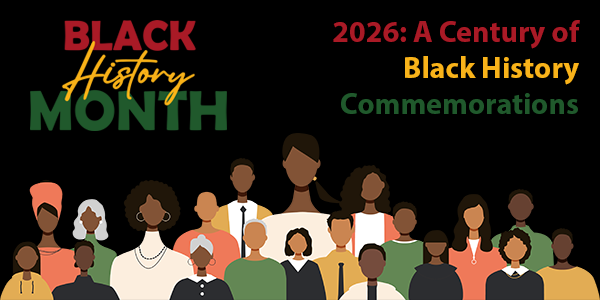
In celebration of the 2026 Black History Month: A Century of Black History Commemorations, let's talk about some of the extensive Black history in Supplier Diversity.
Supplier Diversity originated from the 1950s and 1960s Civil Rights Movement, aiming to end economic discrimination against Black Americans. Key milestones included the Civil Rights Act of 1964 and Nixon's 1969 executive order creating the Office of Minority Business Enterprise. It has evolved from a social imperative to a strategic business practice, with organizations like the National Minority Supplier Development Council (NMSDC) fostering growth for Black-owned enterprises.
Key Historical Developments
- 1950s–1960s: The movement grew out of demands for equality, with the Civil Rights Act of 1964 prohibiting racial discrimination in business.
- 1968–1969: Following urban riots, General Motors established one of the first formal programs. In 1969, President Nixon signed Executive Order 11458, which created the Office of Minority Business Enterprise (OMBE).
- 1970s–1980s: Advocacy by figures like Parren Mitchell led to federal set-asides for minority-owned businesses.
- 1972: The NMSDC was established to increase opportunities for minority-owned businesses.
- Modern Era: Today, initiatives are supported by corporations and organizations, which focus on strengthening supply chain equity, particularly for Black-owned businesses.
Impact and Evolution
Economic Empowerment: The movement aimed to directly address systemic racism in the supply chain by providing Black entrepreneurs access to corporate contracts.
Accountability: Modern programs, such as the one described by the Detroit Regional Chamber and RILA, focus on measuring and monitoring spending with diverse suppliers to ensure tangible results.
Certification: Organizations like NMSDC provide certifications to validate that businesses are legitimately owned and operated by underrepresented groups.
|
|

The Capital Projects Advisory Review Board (CPARB) BE/DBI Committee, through OMWBE, is conducting two partner surveys to gather feedback and lived experiences with Construction Change Orders and Retainage.
We identified these two topics as areas that cause failure of prompt payment for contractors on public works projects, and we need feedback from public entities, primes, subcontractors, support organizations, and advocates.
Take the surveys now:
Each survey takes 5-10 minutes to complete and provides space to add feedback and testimony you find critical to these important topics.
Both surveys close at 11:45 pm on Tuesday, Wednesday, Feb. 18th.
Please take the surveys yourself and feel free to forward this email to others. The more responses and testimony we receive, the better!
|
|
If you would like to include others on our distribution list to receive these monthly supplier diversity emails, please let us know at supplierdiversity@omwbe.wa.gov. |
|
|
|