Plastic Pollution
Reduce single-use plastics to clean up our waterways
There are so many pollutants that seem daunting or expensive to tackle. Addressing single-use plastics, on the other hand, is something that we can much more easily do – in our own lives and by passing laws at the local and state level.
Thin plastic carry-home bags and single-use plastic bottles, cups, bowls, straws, and takeout containers are all items that can easily be replaced by durable or compostable items. We can bring our own bags. We can ask for a ceramic plate. We can forego a straw or use a metal, glass or compostable straw. Many of us use metal water bottles and fill them at the many refill stations that are now available.
These items and other plastic packaging are lightweight and often end up blowing around onto our streets and into our creeks, rivers, lakes, Puget Sound and eventually the ocean.
Quantify plastics as a pollutant
Plastic is designed to be durable so plastic items don’t degrade. Instead, in our waterways, they break down into smaller and smaller pieces. Plastics are reported to last at least 500 years.
Macro- and micro-plastics (tiny fragments of plastics) in our waterways are being eaten by our fish and wildlife. This causes harm. Animals fill their stomachs with plastic pieces displacing nutritious food. The toxic chemicals in the plastic may be causing health problems. We don’t even know what happens when we eat fish that have eaten plastic.
Our traditional water pollutants are metals, nutrients, pesticides and organic chemicals. Recently, we are taking the first steps towards making plastic be considered a pollutant in Washington State.
This article is provided by Zero Waste Washington, click here to read the full article.
Did you know that the new plastic bag ban takes place across all of Washington state on January 1st?
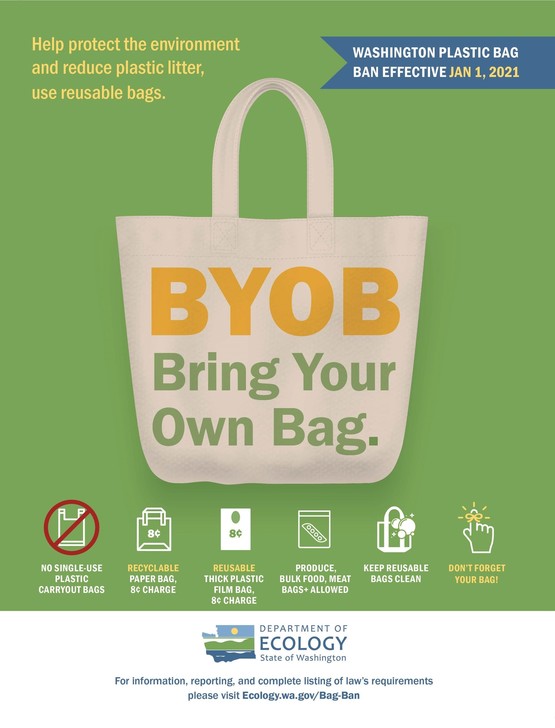 Many stores are not currently allowing customers to bring in reusable bags due to COVID restrictions. The Department of Ecology is working with grocery stores and the department of health to make sure this will be a safe roll out for our state. Measures may be in place requiring customers to bag their own groceries to avoid germ sharing.
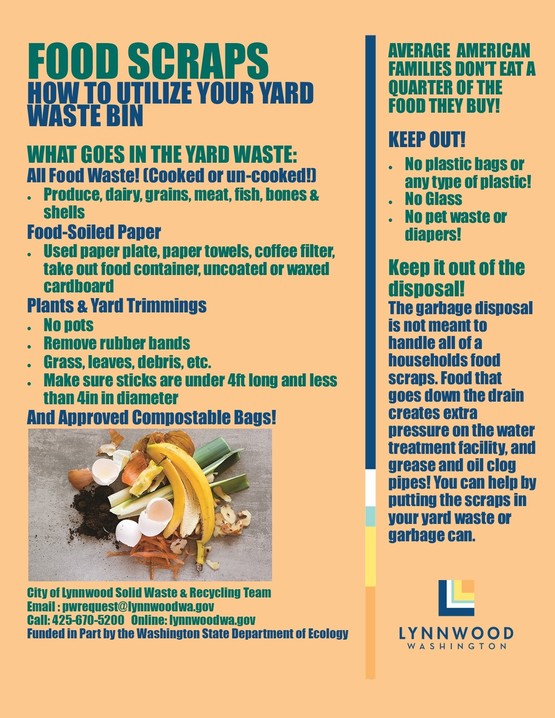 To find this flyer and more online, check out our website at https://www.lynnwoodwa.gov/Government/Departments/Public-Works/Garbage-and-Recycling/Recycling
While you are out collecting leave to fill your yard waste bin, don't forget to check your street's storm drain! Leaves often gather there and can clog the drain causing flooding! For more information and to check out a video on this topic, click here.
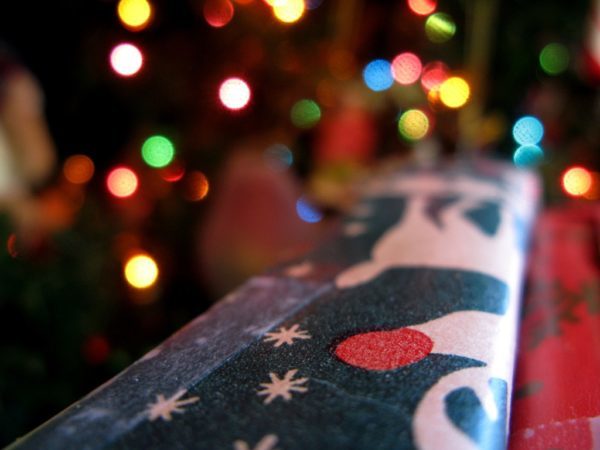 Are you wondering how to handle the extra waste that comes with the holiday season? Earth 911 has a great article on how to handle holiday waste, check out the snipit below, or the full article here.
"A common mistake many people make around the holidays is loading their recycling bins with wrapping paper, tissue, ribbons, and more. Unfortunately, the shiny, laminated paper is, in fact, not recyclable in most circumstances. Including it in the bin with other paper products can make an entire load unrecyclable.
If wrapping paper is metallic, has glitter on it, or has a texture to it, it is not recyclable.
However, unlaminated paper-based wrapping paper and pre-recycled wrapping paper are usually recyclable. A good way to test, as the BBC reported last year, is to crush wrapping paper into a ball. If it stays bunched up, it is more than likely recyclable.
Other decorative features of gifts are also not recyclable. Decorative ribbons, bows, and glitter-laden holiday cards are nightmares for recycling centers."
If you would like more information check out these videos from Waste Management!
How to properly dispose of wrapping paper
How to properly dispose of boxes and packaging materials
Do you have any ideas or suggestions about how to make this newsletter better? Are you involved in or know of any recycling events in our area? Please send an email to mshipley@lynnwoodwa.gov and reference the Recycling Newsletter.
The city of Lynnwood's recycling education program, including this newsletter, is funded in part by the Washington State Department of Ecology.
|