City of Lynnwood Washington sent this bulletin at 03/02/2021 09:35 AM PST
Educate Me!
Recycling - Plastic & Bottles
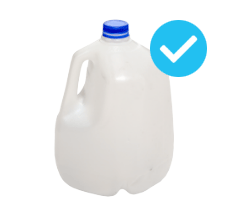
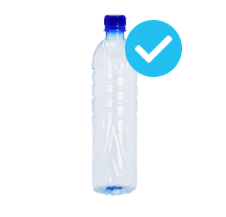
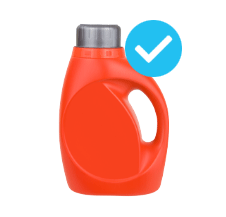
While hard plastic containers like water bottles, milk jugs, and detergent containers can go in your container, flexible plastics like grocery bags, bubble wrap, and foam cannot. Here are some examples of plastic you can recycle:
Milk, Water & Juice Jugs
Beverage Bottles
Detergent, Shampoo & Soap Jugs
Keep lids on bottles or toss them in the trash — they’re too small to recycle by themselves
Rinse and dry all food and drink containers
Detergent containers are fine, just be sure they’re free of soapy residue
No plastic bags — check with your local grocery store for alternative recycling options
No plastic wrappers from food or packaging
No bubble wrap, packing peanuts, or foam packaging
This information was provided courtesy of Republic Services, please find the original and more here: https://www.republicservices.com/recycling/plastic
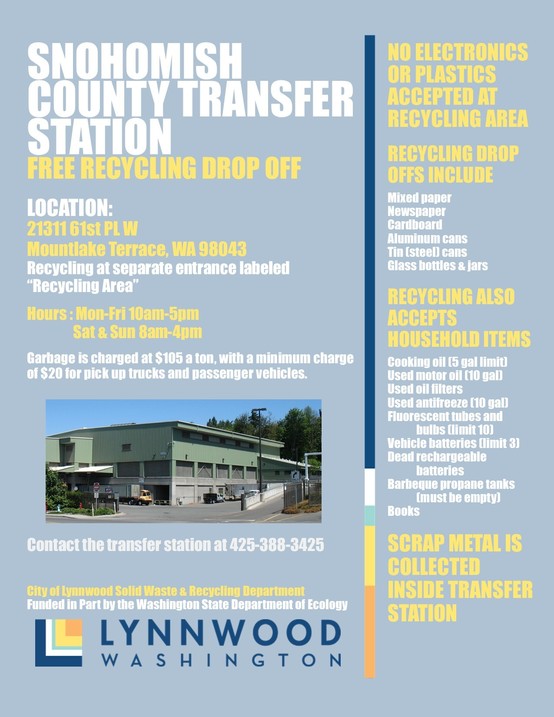
To learn more about the transfer station and recycling center you can visit their websitehere.
For more useful tips like this, visit our websitehere.
Let's Think Outside the Bin
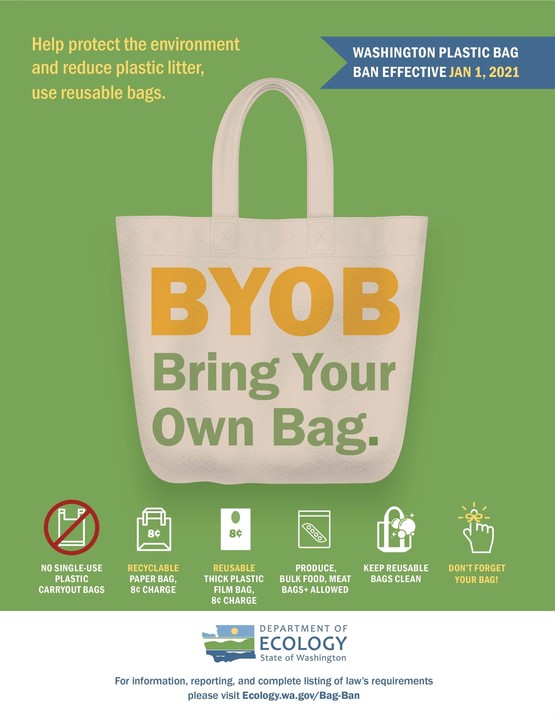
The plastic bag ban was originally set to take effect on January 1st 2021, but due to the Corona Virus the ban has been delayed until the State of Emergency declaration has been lifted. To find out more information check out the Department of Ecology's webpage here.
Tell me more!
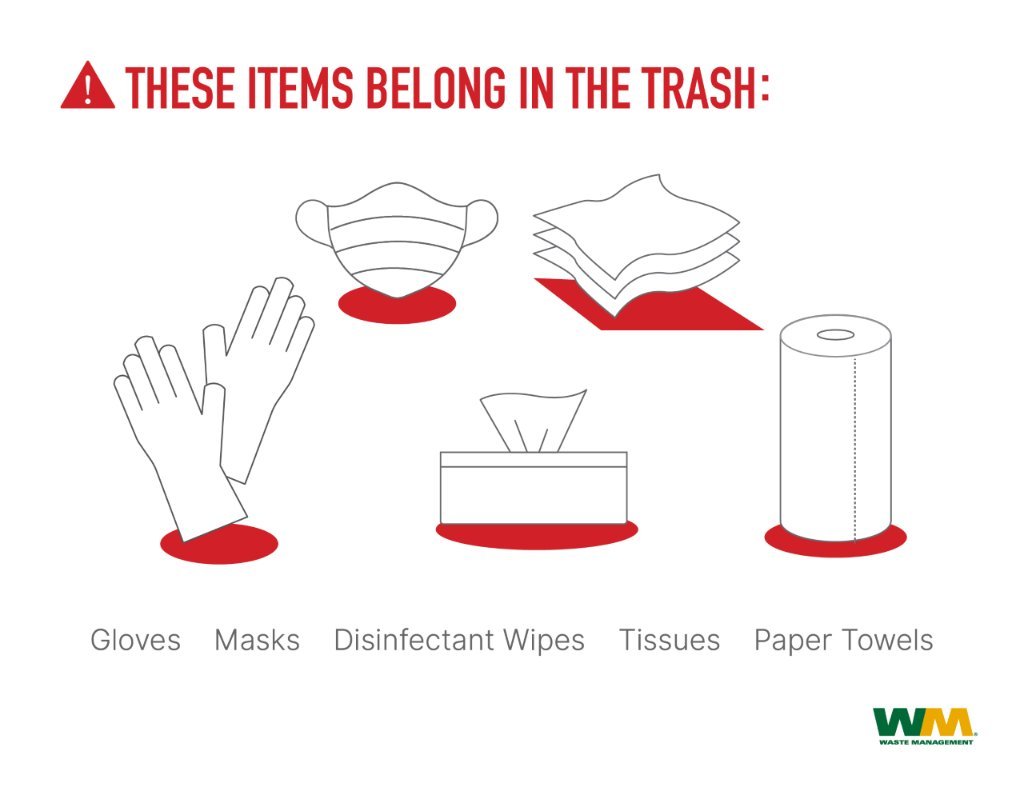
Many people have had questions about how to properly dispose of common personal protection equipment. Together, we can help each other stay safe and look out for the environment.
This information is provided to you by Waste Management's Twitter account. You can follow them at @WasteManagement or check it out here:http://mediaroom.wm.com/social-media/
Looking at you!
Do you have any ideas or suggestions about how to make this newsletter better? Are you involved in or know of any recycling events in our area? Please send an email to mshipley@lynnwoodwa.gov and reference the Recycling Newsletter.
The city of Lynnwood's recycling education program, including this newsletter, is funded in part by the Washington State Department of Ecology.