|
July 2025
Protect Kitsap County Waters: Stop Aquatic Invasive Species
Aquatic invasive species (AIS) are a growing threat to the health of Kitsap County’s lakes, rivers, and streams. These non-native plants, animals, and microorganisms can out-compete or prey on native species, disrupt ecosystems, and harm local economies. Once introduced, they can spread quickly, often hitching rides on boats, trailers, waders, or fishing gear.
-
Prevention: Before leaving any body of water, CLEAN, DRAIN, and DRY your equipment. Remove visible mud, plants, and animals from gear, boats, and trailers. Drain water from bilges, live wells, and bait buckets. Finally, allow everything to dry completely before visiting another waterbody.
-
The Impacts: Invasive species like zebra and quagga mussels can clog pipes, damage hydropower infrastructure, and cost billions nationwide. Aquatic noxious weeds, such as Eurasian watermilfoil, can choke waterways, impede recreation, and degrade habitat for salmon and other wildlife.
-
Ramifications: Transporting aquatic invasive species is illegal in Washington and violators may face a maximum penalty of 1 year in jail and $5,000 in fines.
Together, we can protect Kitsap’s waters. A few simple steps from every boater and angler can help keep our ecosystems healthy for generations to come.
Weed Aware - Weed of the Month
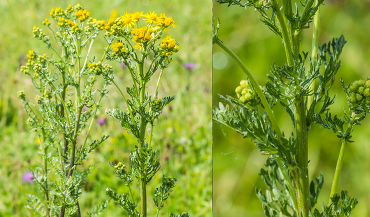
Tansy ragwort (Senecio jacobaea)
Tansy ragwort aggressively invades pastures, rangelands, and disturbed areas across North America. It is classified as a noxious weed due to its ecological impacts and toxicity to livestock.
Tansy ragwort grows up to 6 feet tall, starting as a rosette of dark green, deeply lobed leaves. As it matures, it develops coarse, purplish-tinted stems with alternating, smaller, hairy-backed leaves. From late summer through fall, it produces bright yellow flower clusters with both disk and ray petals, each about 0.5 inches wide. Its wind-dispersed seeds, equipped with fine hair-like tufts, enable rapid and widespread colonization.
This highly invasive plant displaces native vegetation, reducing forage availability by as much as 50% in infested areas. It also alters soil chemistry and microbial communities. Tansy ragwort contains toxic alkaloids that are harmful to livestock, especially in the flowers, causing liver damage or death when consumed, even in dried hay. Each plant can produce up to 150,000 seeds, making early control essential.
Control requires diligence. Plants should be removed by hand (gloves recommended and wash hands thoroughly afterwards), taking care to extract the entire root system. Mowing is not recommended as it can actually encourage regrowth. Flowering plants must be bagged and placed in the trash to prevent seed spread. Maintaining healthy, well-managed pastures and preventing overgrazing can help reduce infestations.
DO NOT COMPOST! All plant material must be bagged and thrown in the trash. Seeds can remain viable in compost or yard waste. Prompt and proper disposal is key to preventing further spread.
Source: Sylvan Ramsey Kaufman, & Kaufman, W. (2012). Invasive plants: a guide to identification, impacts, and control of common North American species. (2nd ed.). Stackpole Books.
|