 Warmer weather brings more customers, outdoor events, and catering opportunities. It also brings additional food safety challenges. During the summer months, foods can move into the temperature danger zone more quickly, allowing bacteria to multiply and increasing the risk of foodborne illness.
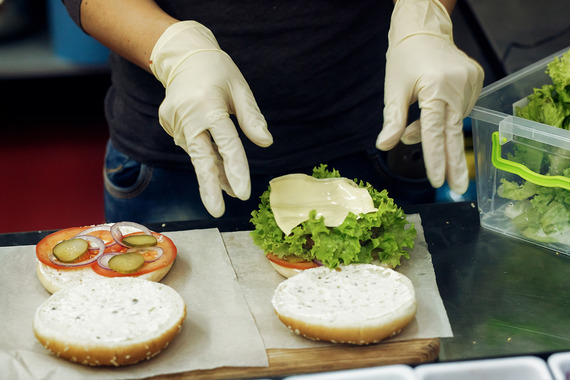
Pay special attention to cold, ready-to-eat foods such as salads, cut tomatoes, sliced melons, dairy products, cooked meats, and sauces. These items should be kept at 41°F or below during storage, preparation, transportation, and service.
Now is also a good time to review your temperature control practices:
- Verify that refrigerators and cold-holding equipment are maintaining a temperature of 41°F or below.
- Minimize the amount of time food spends at room temperature.
- For example, a pan of chicken on the prep table for 10 minutes while an employee is actively making sandwiches is typically acceptable.
- The same pan sitting out unattended for an unknown amount of time is a concern because no one knows how long it has been in the temperature danger zone.
- If using Time as a Public Health Control (TCS), food may be out of temperature control for up to 4 hours and must then be served or discarded.
- Use ice baths or mechanical refrigeration when serving food outdoors.
- Check food temperatures every 2 hours and document any corrective actions taken.
- Avoid overloading refrigerators, which can prevent proper air circulation and cooling.
- Ensure that your walk-in coolers receive regular maintenance
Summer can be a busy and exciting time for food businesses. Taking a few extra steps to monitor temperatures can help protect your customers, prevent food waste, and ensure that your establishment continues to serve food safely all season long.
 Many food establishments rent or share their kitchen space with caterers. While this arrangement can provide additional income and help support local businesses, it also comes with responsibilities.
Before allowing a caterer to prepare food in your facility, make sure they are properly permitted and authorized to operate. Caterers preparing food in another establishment's kitchen should have a valid Public Health permit and a signed commissary kitchen agreement with the facility where they are operating. Make sure to check on the below questions before moving forward.
- Does the caterer have a valid Public Health food permit?
-
Has Public Health approved the caterer to use your kitchen (did they submit a commissary kitchen agreement to Public Health that lists your kitchen)?
-
Do you have an agreement with the caterer that outlines who is responsible for managing food safety practices, such as storage, cleaning, and equipment use?
You can check that a business has a permit by looking up the name on our food safety rating map. Catering businesses are not included in the rating system, so they won't have a specific rating, but the business will still be listed in the system if the business has a permit.
Simply allowing someone to cook in your permitted kitchen does not automatically make their operation permitted. In some cases, allowing an unpermitted operation to use your facility could affect your establishment's compliance with food safety regulations. Questions may arise about who is responsible if there are complaints of foodborne illness, improper food storage, inadequate cleaning and sanitizing, or other food safety issues.
Verifying permits and establishing clear expectations can help prevent food safety issues, ensure that everyone operates safely and legally, and protect your business.
With temporary event season in full swing, food vendors and event organizers are reminded to plan and understand the food safety requirements for fairs, festivals, farmers markets, concerts, and other community events.
Temporary events often experience high customer volumes, making proper food handling even more important. Depending on the food being served, vendors may need a temporary food permit and may be required to submit plans for review before the event. Event organizers hosting larger events may also need to submit a Temporary Event Coordinator application at least 30 days in advance.
Some foods and activities are exempt from permitting requirements, including certain prepackaged, non-potentially hazardous foods and limited nonprofit bake sales. However, exempt vendors are still expected to follow safe food handling practices, including proper handwashing and preventing bare-hand contact with ready-to-eat foods.
King County offers different permit options based on menu complexity and participation in multiple events throughout the year. Vendors participating regularly in temporary events may also benefit from permit packages and a Certified Booth Operator (CBO) certification.
Planning ahead and understanding the requirements can help ensure a safe and successful event season for both vendors and the public. For more information, visit the King County Temporary Events webpage and review available guidance before your next event.
 The Food Safety Program started using a new system for permits and plan reviews in December 2025. See below for quick tips on using the new system and all resources at How to Use the Public Health Permit Center.
Which type of food permit do I need?
If you need help figuring out which food permit is right for you, use our decision support tool, which will direct you to the right information based on how you will be selling food.
How can I get a copy of my permit?
You can find your permits and permit numbers in the Public Health Permit Center on the "My Work" page, under the "My Permits" or “My Operational Permits” tab. To print your permit, select the permit of interest from the list, select the “Attachments” tab, and select the permit attachment.
How can I add someone to my permit or make a small change like my mailing address?
For administrative changes, such as updating a mailing address or adding a new contact, follow the steps below. For full details and images, see: How to request a change to your existing food business permit
- Go to the Service Request Access
- Log in with your account details from the Public Health Permit Center
- Select the option for “Don’t see what you are looking for? Create a New Request.”
- Select the relevant option in the “Request type” dropdown.
- Fill in the details for the request. You don’t need to select a location on the map.
- Submit your request! Please allow 7-10 business days for the request to be reviewed.
How can I request changes to my permit, such as a change in ownership or the menu?
You can submit requests for operational changes through the Public Health Permit Center.
Follow the application links below for the relevant type of change request.
|
Type of Change
|
Application Link to Request the Change
You need to log in to your account to access the application.
|
|
Change of business name/dba
|
|
|
Out of business
|
|
Change in menu
|
|
Change of risk level
|
|
Change in seating capacity
|
|
Change of equipment
|
|
Change of layout
|
|
Change of commissary kitchen
|
|
|
Change of ownership for a new owner
|
|
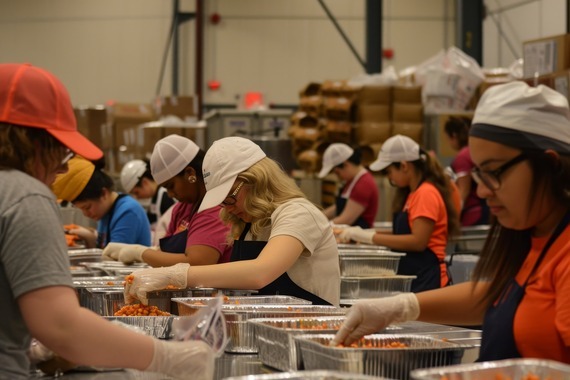 A new King County rule aims to improve both food safety and worker treatment in food businesses.
What’s changing?
Beginning August 1, 2026, Public Health may notify a food business if it does not comply with labor laws, such as paying wages or providing sick leave.
When that happens, Public Health will put a notice next to the food safety rating placard (the green smiley face sign) to let customers know that the business is not following the law, and the business may receive more frequent inspections. The notice will stay up until the business resolves the issue.
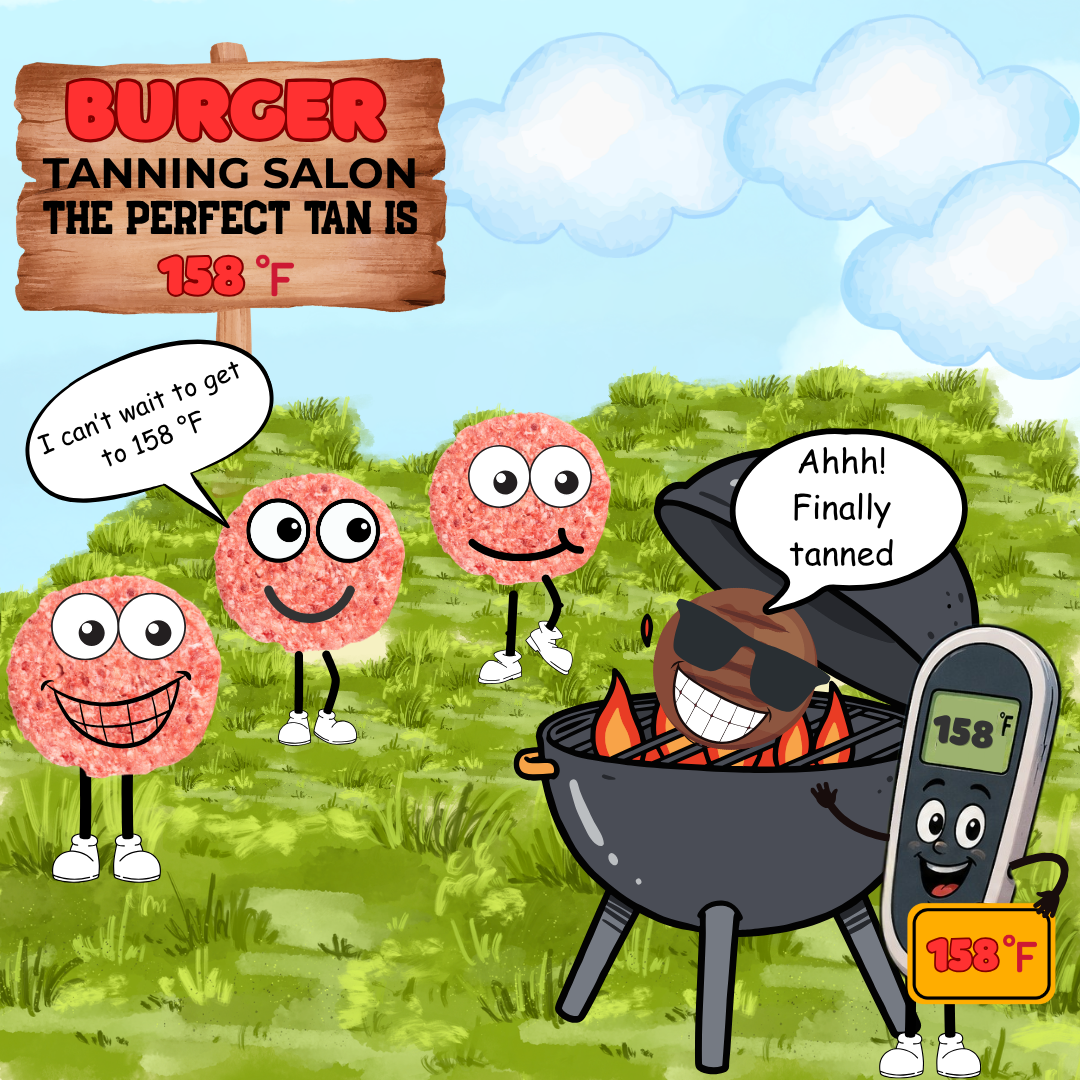
Hamburgers may love getting a tan, but reaching 158°F (70°C) is about more than appearance; it's about safety. Ground beef can contain harmful bacteria, such as E. coli, that may be mixed throughout the meat during grinding. Cooking hamburgers to an internal temperature of 158°F destroys these bacteria and helps prevent foodborne illness.
Always use a food thermometer to make sure your burgers are fully cooked and ready to enjoy!

|