Temporary change in operating hours at Algona Transfer Station
Starting April 6 through the end of the month, the Algona Transfer Station will have temporary changes to its operating hours. Monday through Friday, the station will be open to commercial haulers during standard operating hours but stay closed to the general public. Weekend hours remain unchanged. These temporary closures will allow crews to complete construction work in preparation for the opening of the new South County Recycling and Transfer Station.
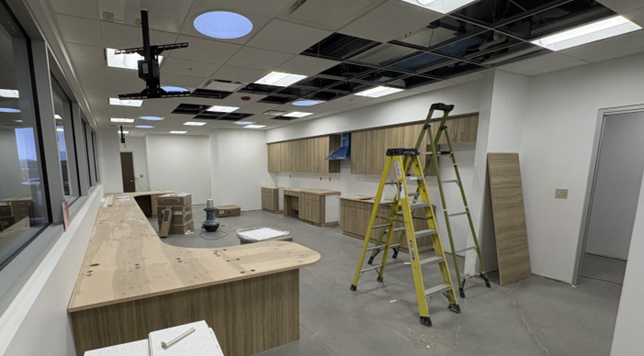 Inside the South County Recycling and Transfer Station, interior elements are also taking shape including the countertop, ceiling tiles, and more.
.
King County crews have been hard at work, completing additional milestones to finalize the new South County Recycling and Transfer Station. People traveling on West Valley Highway South have likely seen the buildings take shape, but even more changes are happening behind the walls. Details like electrical connections, plumbing, and fire alarm installation are in progress across the site.
As this work progresses, crews must also coordinate commissioning — the testing and verification of systems and equipment — to confirm they operate as designed. It is a vital step to make sure everything runs smoothly and safely before community members can start using the transfer station. The station is set to open as early as this summer.
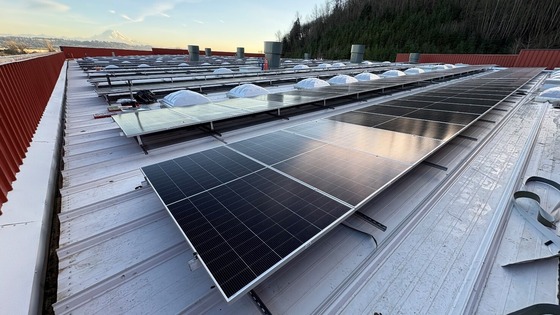 Solar panels on the roof of the transfer station.
.
Designing a transfer station requires careful planning, even if much of the work cannot be seen during a normal visit. The new South County Recycling and Transfer Station will use modern design features to address challenges often found at older facilities, such as dust, odor, and noise. Like other newer stations, this facility will include enclosed structures that help control airflow and contain odors. Misting systems will help reduce both dust and smells.
The station’s design will also help reduce noise from equipment and vehicles. This will be achieved through fully enclosed buildings, sound‑absorbing landscaping, and the strategic placement of structures farther from neighboring areas or behind sound‑barrier walls.
The station will also include several environmental and community benefits. These enhancements include systems that capture and reuse rainwater, the use of sustainable construction materials, and on‑site solar panels. In addition to solar power, the station will use natural light to cut down on electricity use. Transparent wall and roof materials will let in sunlight, lowering energy needs and saving money. Some areas will also use transparent materials to bring daylight into spaces that would not normally receive enough light. Overall, the new facility will offer thoughtful and reliable operations, creating a better experience for both customers and neighbors.
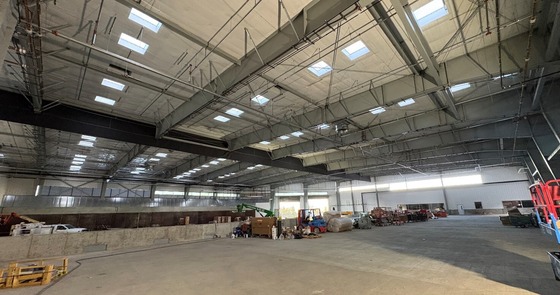 A look inside the recycling drop off area shows several skylights across the roof.
Project Background
The existing 1960s-era Algona Transfer Station is one of the oldest, busiest transfer stations in the King County solid waste system. The station is located on a small site and offers only limited recycling services. The new station will provide comprehensive recycling services, hazardous waste disposal, sustainable building features, off-site wetlands improvements, on-site tributary enhancements, public art, and other community benefits.
|