|
Happy summer from the King County On-site Sewage/Septic System Program team!
Now that our code revision process is complete (thank you to everyone who was involved!), we are shifting the focus of this newsletter to everyday education for septic system maintenance and updates from our program. Every three months, Septic Matters will share useful tips to help you keep your septic system healthy and protect the environment.
For our summer edition, we’re highlighting:
As always, please don't hesitate to reach out if you have questions or comments.
Si tiene alguna pregunta, comuníquese con nosotros a la siguiente dirección de correo electrónico mejackson@kingcounty.gov o llame al 206.263.0547.
|
|

News from the Field highlights real-life septic situations from King County community members and the OSS Program.
Are you planning on buying or selling a property with a septic system? This is one of the most important times to understand how the septic system is functioning. Our inspectors take many calls from sellers, buyers, and realtors to help figure out how well a septic system is working and find the best solution for both the seller and the buyer. So, we know what can go wrong!
Last month, Health Inspector Antonia Rus was sitting at her desk reviewing Time of Sale Inspections reports when her phone rang.  Riiinnngggg!!!! Maureen explained that she had just moved into a beautiful house with her two kids in Renton that is on septic. They were very excited about the new house, but after only two months of living there, they had sewage backing up into the basement shower almost every day. Now what? Riiinnngggg!!!! Maureen explained that she had just moved into a beautiful house with her two kids in Renton that is on septic. They were very excited about the new house, but after only two months of living there, they had sewage backing up into the basement shower almost every day. Now what?
 |
|
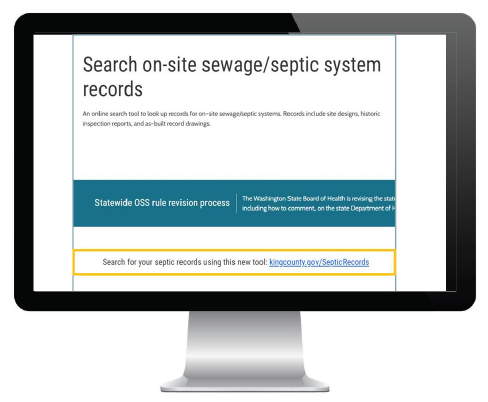
Inspector Antonia put on her thinking cap. The first place to look is always in the septic records, which are available at kingcounty.gov/SepticRecords. Aha! The Septic System Time of Sale Inspection Report had a comment from the reviewer saying that the septic system on the property had been installed without a permit – what we call a “bootleg” system. It was probably undersized and not installed with the proper protections, so that’s why it failed so quickly. |
Even though this information had been disclosed to the buyer in the inspection report that she received when she bought the house, it was hidden in the small print, and she didn’t know it was important to pay attention to it (there’s too much small print in these processes to pay attention to everything!). Inspector Antonia was able to tell her about some financial assistance options to install a new septic system, but it was a major cost and disruption to Maureen and her family’s lives. Always remember how important it is to understand the status of the septic system for a property you are buying – and reach out to the OSS Program if you want help.
|
|

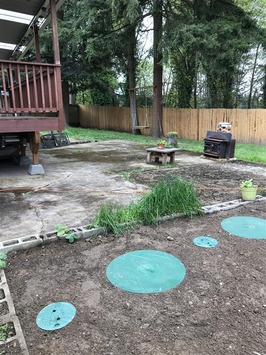
No! That’s a very common myth. When you’re building a deck, it is extremely important to consider the location of your septic system. Even if the structure does not directly or completely cover the ground, building a deck where your septic system is located limits access for maintenance and repairs, which may be needed in the future.
-
Before any construction, get your building proposal reviewed by Public Health by submitting the “Building Remodel Application.” This review will ensure the proposed deck won’t harm your septic system.
-
Have specific questions on your property? Call our Public Health septic experts at 206-477-8177 for property-specific consultation!
|
|
|
Are you planning on septic system maintenance, repairs, or replacement? What about getting connected to a public sewer system after your septic system stops working?
There are many low-interest loans or grants available for different projects - see some highlights below!
-
Craft3 Clean Water Loans: Loans to allow homeowners to borrow the entire cost of eligible design, permitting and installation of septic systems. Lower interest rates may be available for qualified lower-income borrowers, and there are no upfront loan fees or pre-payment penalties.
|
|
|
Public Health’s Environmental Health Services Division (including the OSS Program) is transitioning to a new permitting system in September 2025: The Public Health Permit Center. This online services portal will include on-site sewage system applications, plumbing and gas piping permitting/ plan review, and more.
We’ll send more information in our fall newsletter, and – in the meantime – learn more on our webpage: kingcounty.gov/PublicHealthPermits (includes in-language resources in Spanish, Amharic, Chinese, Korean, Russian, Somali, and Vietnamese).
|
|
|
|