Access & Accessibility Bench
Our Work in 2025
The Access & Accessibility team remains committed to leading with clarity and transparency. This year, we’ve:
- Continued to center the voices of those most impacted.
- Uplifted access and accessibility needs.
- Provided tools and resources to help others embed equity in their work.
For example, this year we’ve collaborated with interested parties to achieve a few key goals. We started the work to strengthen access to statewide government services by making sure folks can receive information and reach out to us in their language of choice. We led a workgroup to improve the guidance we provide to state agencies through the Community Engagement Toolkit, which is transitioning to EQUITY’s Shared Power team. We have also been collaborating with several other state agencies on accomplishing the goals set out in EO 24-05, “Improving Outcomes for People with Disabilities in State Employment”.
Lessons Learned
This year reminded us that access and accessibility must be built in from the start, not added later. We continued to learn about the importance of plain language. We spent time listening to impacted communities. A lot of our time was dedicated to designing barrier-free digital tools. Most importantly, we worked on going beyond legal requirements to create truly welcoming experiences. We also learned that we need to use shared accessibility guidelines and practices across agencies so we can build trust and meet community needs.
Looking Forward to 2026
Next year we are eager to further develop and share with state agencies our signature project: the Universal Access and Belonging Plan. This plan will be high level strategy for incorporating access at all levels in design, policy, and practice. This work will help the State of Washington create a more consistent user experience to further build a more accessible Washington for All.
 Communications Bench
Our Work in 2025
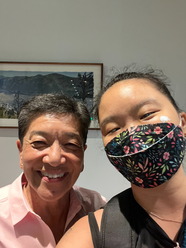
The communications team stayed busy this year. We expanded on the WA for All framework with additional branding and the WA for All resource website. We built the foundation for our intranet site and launched the Elevating Enterprise Comms series. We began production on Equity Ain’t Dirty, a new series featuring our Director Megan Matthews connecting with equity leaders to spotlight equity efforts throughout the state. We launched this series earlier this month. Check out the first episode here! We also started developing our newest series, Together Today, which will bring employees from state, county, and city government together to share how we’re all building a Washington for all. We also worked to amplify expertise throughout the enterprise with the Equity Learning Series.
This list represents only some of the work we’ve accomplished. Throughout the year, we also ensured this content was accessible.
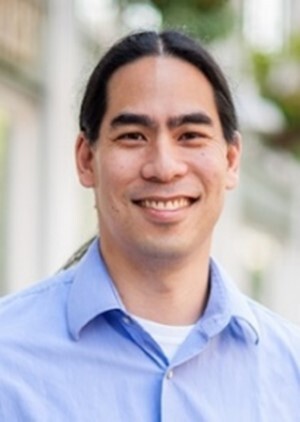
(Photo Caption: Washington State Supreme Court Justice Mary Yu (left; she/her) and Digital Communications Accessibility Coordinator Vic Vong (right) smile together at an event hosted by the LGBTQ Commission.)
|
Lessons Learned
We learned that our work must adapt to the current times and communicate how we are addressing the needs of Washingtonians. It’s essential for our team to be transparent and honest in our approach to share the work of the office. That is the foundation of our content as it honors our office values.
Looking Forward to 2026
In 2026, we are excited to highlight the work of the Immigration Subcabinet and expand on strategies we built out this year. All government communications must connect to the people we serve. We will continue to enhance our techniques to make government more accessible. The times we are in require us to be attentive and responsive. We look forward to learning more and building solutions alongside community in partnership with the community-focused commissions (who have strong ties to their target communities and ensure communities that have been historically and systematically underserved and underinvested are included). Be on the lookout for our video and learning series, newsletters, social media, and more as we stay committed to communicating a Washington for all.
 Community Advisory Board
The year 2025 brought many changes to the Community Advisory Board! The Office of Equity is working with the board in new ways. We recruited 4 new board members and held a team retreat to build trust and strategize for next year.
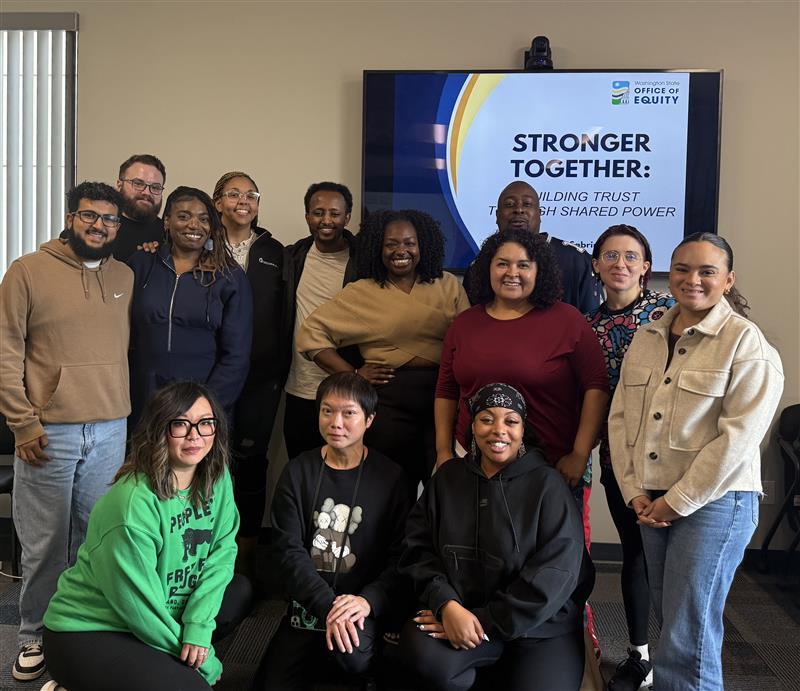
Top row (Standing) from Left to right: CAB Member Omar Zaragoza, CAB Manager Logan Drummond (he/him), CAB Member Kamilah Keyes-Brown (she/her), Shared Power Program Manager Sabrina Njoroge (she/they), CAB Members Yonas Fikak, Tychelle Graham-Moskowitz, Jensie Rosenow, Drayton Jackson, Alaura Miller (she/they), and Yaslin Torres-Pena.
Bottom from left to right: CAB Manager Kara Chung (she/her), CAB Members Victor Loo (they/them), and Latrice Williams.
The in-person 2025 Community Advisory Board (CAB) Retreat was a transformational event. We strengthened relationship with each other and our new board members. There was a refocus of our values and goals moving forward.
CAB also provided feedback on the Community Compensation Program, Community Engagement Toolkit, and soon-to-be released EQUITY dashboards. This step was important to ensure that the data used does not exclude any communities. We also worked to ensure that data is being collected in a way that honors people and community stories.
To address the attacks on equity, CAB plans to continue to collaborate by creating pathways for feedback and offering transparency around decision-making. We want to ensure we are communicating any changes that impact community members. We will check in with people and offer support. Through connection, we want to share space and power. This ensures decisions are informed by impacted communities.
Through our latest rounds of recruitment, we saw the benefits of not rushing a recruitment process. We held many interviews and developed methods to check biases, such as having a rubric to maintain impartiality. However, we learned that we need to slow down when doing interviews. When applicants are missing our intent behind questions, we must offer more examples and explanations for folks applying to our board.
Kara Chung (she/her), CAB Program Manager, is leading work to develop additional processes for sharing decision-making power with community members.
Looking forward, we will continue to push for the CAB to become even more embedded in EQUITY. This includes continuing to discuss with the CAB how they want to be involved and what they want to prioritize.
 Innovation & Impact Bench
Our office has undergone some reorganization. The data and research team has merged with our consultation and performance teams into a single team called “Innovation & Impact.”
Our Mission is to Innovate a Washington for All. We help agencies transform how they operate. We do this through community-driven strategies and data-informed solutions. Our team achieves this through three main business lines:
-
Data, Research, and Analysis: Data and research are critical to understanding the barriers to how our communities thrive. We also provide evidence-based solutions for how we can measure for effect.
-
Consultation Services and Resource Development: Consultation helps ensure that equity is not an afterthought. Instead, equity is a guiding principle in how government serves its people.
-
Accountability and Performance Management: This team guides agencies to action and customer service. Equity is centered by focusing on results and community feedback (in partnership with the community-focused commissions).
Innovation & Impact has four key goals:
- Help agencies build fairness into all government work.
- Create shared, statewide goals linked to the 15 Impact Areas (issue areas, like Housing & Homelessness and Food Justice, that reflect the health of our communities).
- Set up ways to track agency progress and ensure transparency.
- Make sure agencies use good data and research in decisions.
The newly reorganized bench has already been collaborating on an “Impact Leader Series” to guide equitable systems change across state government. We focused on building a foundation within and across agencies to drive meaningful impact. As we bring this calendar year to a close, we’d like to highlight some of the feedback we’ve received from the series.
- “Extremely well done. I think it was very engaging and helpful in supporting the work I'm involved in.”
- “I was only able to start attending recently (last month). This is by far the best information and support to do the Impact work. The facilitators are terrific.”
- “This workshop was well organized and executed; I appreciated the content and the chance to connect in the breakout session.”
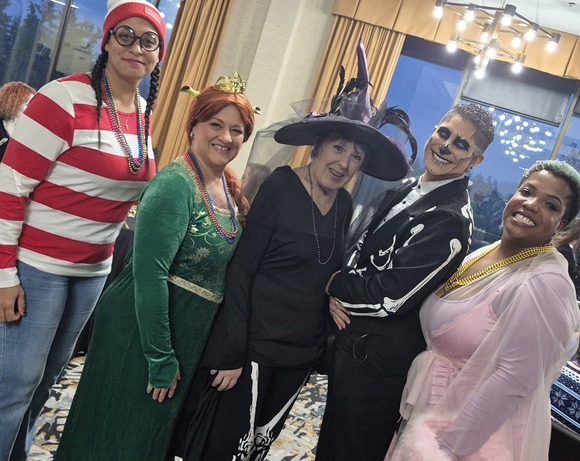 |
Jasmine Remick (far left; she/her) & Onya Robertson (far right; she/her) with other attendees at the NW Hopeful Horizons and Westsound Wellness Foundation Ghostly Gala Fundraiser in Bremerton, WA.
The biggest lesson learned on our bench this year was about collaboration and team building. Everyone is brilliant on our larger team. We learned how to take the intentional time to explain, discuss, and collaborate effectively.
Our 2026 Innovation Labs will be an opportunity for us to examine statewide trends in community well-being. These labs will identify partners across state government working on these trends. They will also set statewide goals in partnership with agencies, individual programs, and initiatives. We look forward to sharing how Washington is better off from the hard work happening across our great state. This next year is when we shift from our “Foundation” phase to our “Transformation” phase. Keep an eye out for more about these Innovation Labs!
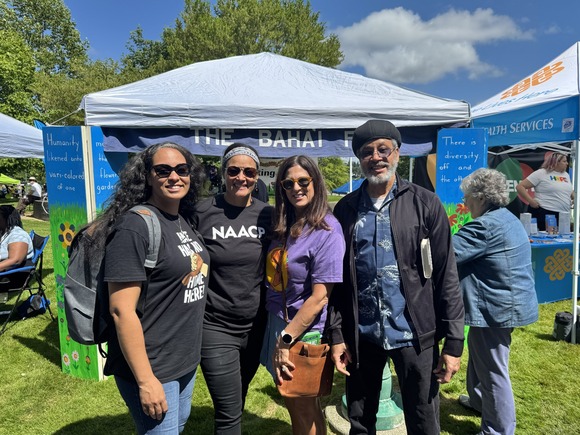
Jasmine Remick (she/her; far left) with community members at a NAACP Community rally in Bremerton, WA, in April 2025.
 Policy & Legislative Bench
The Policy and Legislative Team has worked on many issues after the 2025 legislative session. We have continued to meet with legislators and work with other state agencies to center communities as we work toward a Washington for All. Some of our work is mundane, but important, like solidifying our internal process for requesting future funding or policy changes.
Others are more exciting. We are working to support the Immigration Subcabinet established by Governor Ferguson in Executive Order 25-09. There is a lot of work being done by teams across the agency to meet the goals established in the EO. We are doing our part to help the Subcabinet meet its mandate.
Last month, our agency’s Deputy Director and our Senior Policy & Legislative Affairs Advisor were invited to visit Northeast Washington. There, we learned more about the issues facing local communities in competing for state agency contracts. We had a lot to bring back to discuss from these meetings.
We learned a lot about the local communities and how the State can better meet their unique circumstances. We were very appreciative of the invitation out to the area, and this is an example of how we are working to help state agencies meet the needs of all parts of Washington.
The team is already gearing up for the 2026 Legislative Session. While this year is a shorter session, this doesn’t mean it won’t be any less busy. We will be analyzing legislation for its impact on EQUITY. Additionally, we will be monitoring how we can positively influence the legislative process.
We will also be preparing for another Equity in Session video series. This series is intended to provide timely, relevant information about the legislative session to the public. To stay tuned to these videos and more, you can follow EQUITY’s YouTube page.
 Operations Bench
Our Work in 2025
In 2025, the Operations Bench worked to ensure every state employee is hired with the ability to equitably serve the communities of Washington. For this project, the Office of Equity partnered with the Office of Financial Management and state agency equity leaders. This partnership defined two required equity-focused skills that are essential to all positions. These skills stretch across the enterprise from front-line roles and independent contributors to leadership positions.
We did all this with the goal to help agencies transform their hiring process. The guidelines are now posted on the OFM Toolkit Website for Increasing Employment Opportunities in WA State Government.
Next year, we will continue to build momentum and collaboration around state contracting. This long-term project ensures that small, diverse, and veteran-owned businesses are able to access government opportunities. This work includes the development of a statewide supplier diversity dashboard to bring transparency and accountability to state contract distribution. We’re also working closely with Department of Enterprise Services to streamline and bring consistency to the competitive solicitation contracting process.
 Shared Power Bench
This was the year for deep listening, learning, and laying the groundwork for what’s next. We observed how well agency staff responded to our Relational Partnership in Practice workbook and saw the need for more. We are building on this idea for the Shared Power Program: a practical organizational culture toolkit to help teams rethink power, decision-making, and collaboration. Our goal is to have state government move toward a more human-centered and equitable system as well as continue to develop tools and resources that create authentic spaces of belonging and encourage more connections.
When equity feels under attack, that’s when we must show up the most. We can’t shrink back, but must instead lean in. For us, that means continuing to create safe spaces where people can learn, talk honestly, and build together. Our Community of Practice has become that space. It is a monthly gathering where DEI practitioners from state agencies come together to share, grow, and be real. Inspiration doesn’t come from speeches or reports. It comes from showing that equity work is people work. It’s about showing up with care, courage, and consistency.
As champions of equity, our work builds relationships and shares knowledge. This work helps others see that equity and shared power aren’t a side project: they’re the foundation. We will continue building relationships and consulting with the Washington Good Jobs Initiative (WJI) to ensure integration of equity-focused strategies. Our goal is to embed the Shared Power Program framework into agency practices so that agencies don’t just consult community voice but center it. This framework includes the Community Engagement Toolkit, Community Compensation Program and Community of Practice. We’re aligning with Governor Ferguson’s call for better customer service by showing that when government puts people first, everyone wins.
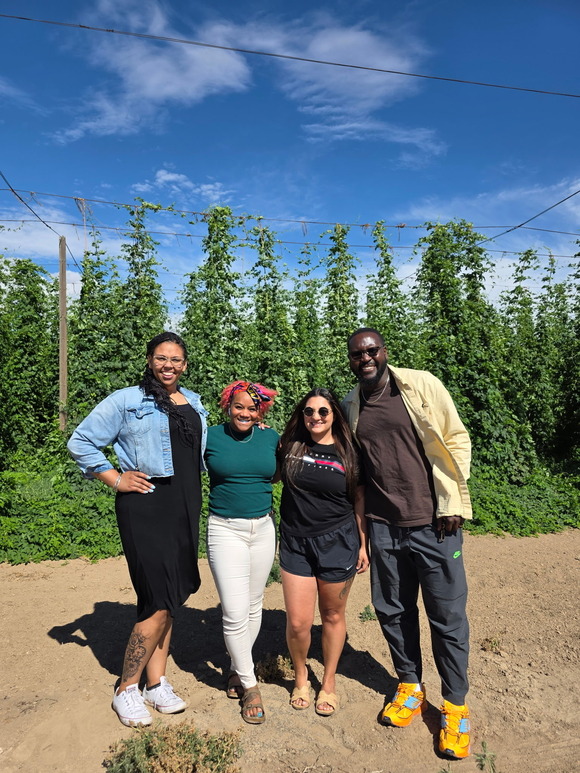 |
From Left to right: Shared Power Program Managers Sabrina Njoroge (she/they), Rauneisha Larkins (she/her), Amber Ortiz-Diaz (she/her), and Jean Paul (he/him). Photo location is in Moxee (part of Yakima County) in front of one of many beautiful orchards.
We learned that real change takes time and trust. You can’t rush relationships, and you can’t skip over the human part of systems change. We learned that agency readiness looks different across the board. We make more progress when we meet folks where they are. Co-creation isn’t just nice to have; it’s how you make sure your work sticks.
Communication matters more than we thought. We realized that even with the best intentions, people need clarity on the “why,” the “how,” and the “what’s next.” We’ve learned to slow down and make space for feedback. We’ve also learned that mistakes are part of the work. What matters most is how we respond: with humility, curiosity, and a willingness to try again.
In 2026 we will focus on implementation and accountability. We will be guiding, supporting, and educating state agencies on what is shared power. We’re also bringing the Community Engagement Toolkit under the Shared Power Program. This will make it easier for agencies to access everything they need in one place. We’ll continue developing new resources for the Community Compensation Program so everyone can participate more easily. These resources will be instructional videos, one-pagers, and language translations. We will keep growing some of our state employee gatherings by helping Business Resource Groups (BRGs) and agencies plan and sustain gatherings that build real connection. By 2027, these gatherings will be fully led by BRGs, which will be proof that shared power is not just being taught, it’s being lived.
 Tribal Relations Bench
Our Tribal Relations team knows that we need to share hope and inspiration, but we need to first share how hard 2025 has been. The national climate has created challenges to equity work . Our team has worked hard to show both the overlap and difference between equity work and tribal sovereignty.
Our team has focused on showing up for tribal communities in many ways. We have visited in person, worked in partnership with other state agencies, and supported folks across the state who are working to do better. Our wins were quiet, but they mattered to those who needed them and made our state stronger.
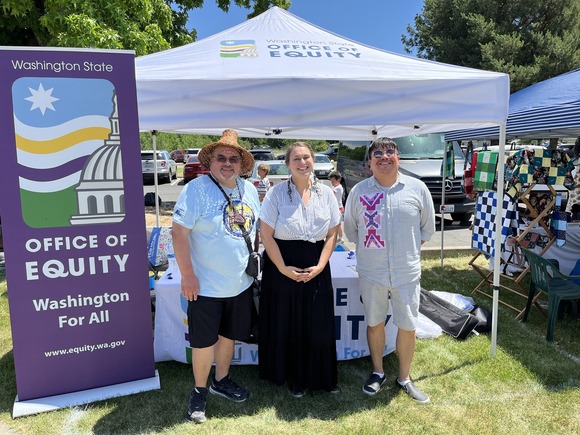
From Left: Tim Reynon (Puyallup tribe) the Director of the Governor’s Office of Indian Affairs (GOIA), Digital Equity Events Manager Caitlin Clevenger (she/her), and Tribal Relations Liason Casey Wynecoop (he/him; Spokane Tribe) at the Yakama Nation Treaty Day in June 2025.
We also learned a lot. Some projects took longer than we hoped, others we had to pivot on halfway through. We learned to check in more often, stay flexible, and keep our relationships healthy. In 2026, we want to get better at sharing what we build so others can use it, build upon it, or inspire new work.
As we move through November, we take time to honor National Native American Heritage Month by recognizing the leadership, knowledge, and strength that tribal communities bring every day. Our team is proud to continue the important work. We are preparing to release the next part of the consultation manual with more guidance and useful tools. Our bench is still here, still doing the work, and still committed to a “Washington for All”.
|