|
|
Welcome to the Vaccines for Respiratory Illnesses Newsletter! Here you'll find the latest news and information on respiratory illness vaccine related topics.
- Latest News
- Clinical Updates
- Training and Events
- Resources
|
|
|
National Immunization Awareness Month (NIAM) is the month of August! This gives organizations and coalitions the opportunity to work together to grab the public’s attention on immunizations all month long. View the campaign assets on the Voices for Vaccines website. Available in English and Spanish.
Vaccination has been proven to be a key preventative measure against highly contagious and potentially deadly diseases like flu, COVID-19, pneumococcal pneumonia, and pertussis. We looked at the burden these respiratory illnesses continue to cause in the United States, and how effective vaccines help lessen the health impacts. Read the full blog: The Truth About How Vaccines Prevent Respiratory Diseases and Save Lives | American Lung Association
-
Flu: Each year between 5-20% of the U.S. population gets the flu, leading to an estimated 120,000 to 710,000 hospitalizations, and 6,300 to 52,000 deaths annually.
-
COVID-19: According to the Centers for Disease Control and Prevention (CDC) data from 2023, unvaccinated individuals were 6x more likely to be hospitalized and 12x more likely to die from COVID-19 than those who were fully vaccinated and boosted. During the 2023-24 respiratory season, COVID-19 vaccination prevented 68,000 hospitalizations, 13,000 ICU admissions and 5,300 in-hospital deaths and could likely have prevented more if vaccination rates were higher.
-
Pneumococcal Pneumonia: Adults 50 years or older are at 6.4x greater risk for pneumococcal pneumonia compared to adults aged 18-49, while adults 65 and older are over 10x more likely to be hospitalized with pneumococcal pneumonia.
-
Pertussis: According to the CDC, in 2024, reported pertussis cases increased across the U.S., with more than six times as many cases reported compared to 2023. In 2024, there were more cases of pertussis than we’d seen since 2012.
The Lung Association and other public health experts urge everyone to stay up to date on recommended vaccinations to protect individual health, reduce the spread of dangerous diseases, and help prevent avoidable hospitalizations, long-term complications and death.
|
|
|
A: Those vaccinated against pneumococcal disease at younger ages may eventually be recommended to receive a future dose of pneumococcal conjugate vaccine (PCV) to sustain protection later in life.
It is likely that an additional pneumococcal vaccination will be recommended at some time in the future. Effectiveness of pneumococcal polysaccharide vaccine (PPSV23) begins waning significantly after about 5 years. While current pneumococcal conjugate vaccines (abbreviated PCVs) are expected to remain effective longer than that, a future PCV dose may be needed by those vaccinated at younger ages to boost protection later in life.
When the Advisory Committee on Immunization Practices (ACIP) voted to lower the routine PCV vaccination age to 50, the committee took into consideration that an additional dose, perhaps 10 or 15 (or more) years later, may be needed. In coming years, ACIP will periodically review any evidence of waning protection, evaluate future pneumococcal vaccine products, and make recommendations for revaccination of older adults when needed.
|
|
|
Updated COVID-19 Vaccine Insurance Coverage Information
The Washington State Department of Health has shared updated information on COVID-19 vaccine insurance coverage. This includes key details on coverage and billing through Apple Health (Medicaid) and private insurers. Health care providers are encouraged to review the summary and share it within their networks.
The Department continues to recommend that everyone 6 months and older, including pregnant people, receive the current COVID-19 vaccine to help protect against severe illness. This guidance is informed by the Washington State Vaccine Advisory Committee (VAC), which advises on strategies to prevent vaccine-preventable diseases.
DOH remains committed to ensuring equitable vaccine access and will continue providing timely updates. Additional resources, are available on the COVID-19 Vaccine Information for Health Care Providers webpage.
|
|
|
As we head into fall, the Washington State Department of Health (DOH), Washington Chapter of the Academy of Pediatrics (WCAAP), and the Washington Vaccine Association (WVA) are working together to prevent vaccine waste and protect the long-term stability of Washington's universal Childhood Vaccine Program.
In state fiscal year 2024, 20% of the RSV and COVID-19 products distributed to providers went unused. Some doses expired before they could be administered, others were lost due to storage and handling errors, and additional doses were wasted through other means. The resulting return and wastage cost of approximately $4 million is unsustainable. We must work together to reduce this waste and protect the financial sustainability of our universal vaccine purchase program.
COVID-19 and Nirsevimab are among the costliest vaccines in the program. Currently, more than 11,000 vials of COVID-19 vaccine remain in the field and are at risk of being wasted. Approximately 1,800 vials of Nirsevimab will expire on October 31, 2025, and an additional 3,200 vials will expire on November 30, 2025. While there is no shortage of COVID-19 or RSV vaccine, we need your help to be good stewards of these valuable resources so we can continue to maintain a system that supports equitable access and operational efficiency for providers across our state.
What you can do:
The most effective way that individual clinicians and practices can protect the system is by managing vaccine inventories more responsibly. We ask providers to:
- Check your inventory. If you have more than one month's supply of COVID-19 or RSV doses, please post excess doses on the Vaccine Advertisement page in the IIS.
-
Search for available transfers in the IIS before placing new COVID-19 or RSV vaccine orders.
- Order smaller amounts, more often, and ensure proper storage safeguards, especially during extreme weather or power outages. Providers will have the opportunity to order at least weekly.
The COVID-19 vaccine remains a required part of routine inventory for Childhood Vaccine Program providers. To improve accountability and reduce waste, we're increasing order oversight. For certain products, such as Nirsevimab, hospitals and clinics should plan to request doses through transfers first.
These updates reflect our shared responsibility to reduce waste, maximize access, and protect the sustainability of this critical public health program. For help with transfers, please refer to the Vaccine Transfer Checklist and FAQs. Information on vaccine ordering, returns, and choice can be found here. You can also reach out to us at WAChildhoodVaccines@doh.wa.gov.
More resources are available on the COVID-19 Vaccine Information for Healthcare Providers web page. We will be offering webinars and tools to support this effort. Your clinic's involvement is important to make this work. Thank you for your partnership and your continued commitment to immunizing Washington state's kids.
|
|
|
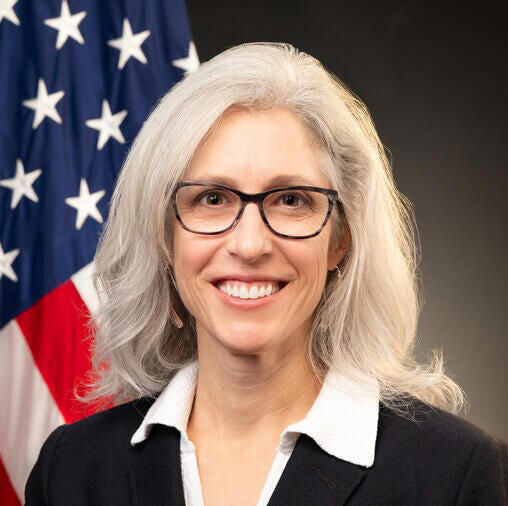
Susan Monarez, Ph.D., was sworn in on July 31, 2025, as Director of the Centers for Disease Control and Prevention (CDC) by U.S. Health and Human Services Secretary Robert F. Kennedy, Jr.
Director Monarez, the first Senate-confirmed director of the CDC, brings decades of frontline experience in disaster preparedness, biosecurity, and health innovation. As CDC Director, she will lead the agency’s efforts to protect public health, prevent illness and disease, and promote healthy living.
"It is a great honor to join Secretary Kennedy and his HHS leadership team," said Director Monarez. "I consider it a privilege to work alongside the public servants at CDC. Together we will strengthen and modernize the nation's public health preparedness and response through science and innovation. We will work every day at CDC to Make America Healthy Again."
|
|
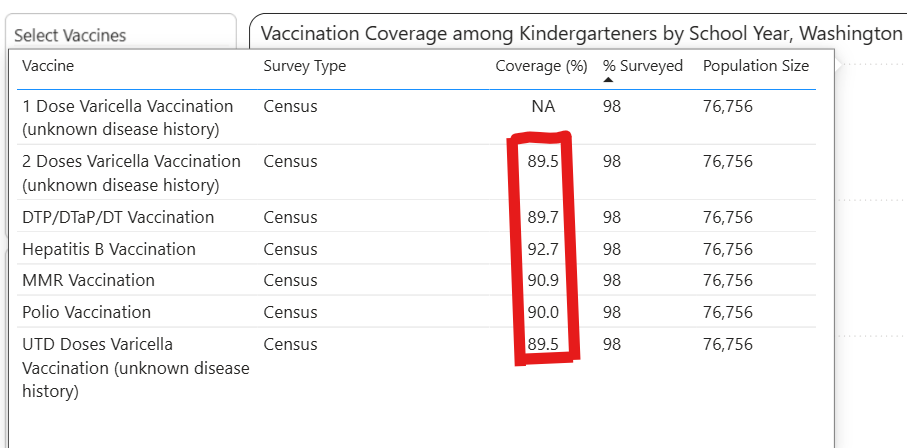
Vaccination coverage and exemption estimates among kindergartners in the U.S. are based on data reported to CDC annually by states and the District of Columbia (DC).
Washington Snapshot
Overall vaccine coverage fell below 93%, short of the 95% target needed for measles herd immunity. Washington has fallen below this 95% benchmark, leaving us more susceptible to infectious disease outbreaks. In Washington, 4.8% of kindergarteners have a vaccine exemption. Only 0.4% have a medical exemption and 3.9% have a non-medical exemption.
It's possible there could be more outbreaks of vaccine-preventable diseases leading to school disruptions, and heightened concern for immunocompromised individuals and parents of children who are too young to be vaccinated. If you’re up to date on your vaccines, you’re well protected.
National Vaccination Coverage
- During the 2024-2025 school year, vaccination coverage among kindergartners in the U.S. decreased for all reported vaccines from the year before, ranging from 92.1% for diphtheria, tetanus, and acellular pertussis vaccine (DTaP) to 92.5% for measles, mumps, and rubella vaccine (MMR) and polio vaccine.
- Coverage with MMR, DTaP, poliovirus vaccine (polio), and varicella vaccine (VAR) decreased in more than half of states, compared with coverage the year before.
- The number of kindergartners attending school without documentation of completing the MMR vaccine series was about 286,000 during the 2024-2025 school year (Table).
National Exemptions
- During the 2024-2025 school year, exemptions from one or more vaccines among kindergartners in the U.S. increased to 3.6% from 3.3% the year before.
- Exemptions increased in 36 states and DC, with 17 states reporting exemptions exceeding 5%.
- The number of kindergartners exempt from one or more vaccines was about 138,000 during the 2024-2025 school year (Table).
Pediatricians call for stronger school vaccine requirements, as nonmedical exemptions rise and vaccination rates fall across U.S.
- On July 28, 2025, The American Academy of Pediatrics (AAP) reaffirmed its support for school vaccine requirements and the elimination of nonmedical exemptions, citing a rise in these exemptions across the country and falling childhood vaccination rates.
- In an updated policy statement, AAP emphasizes the proven health benefits of vaccines and outlines the legal and ethical basis for schools’ mandatory vaccination policies.
- The group notes that states with more lenient exemption rules have significantly higher exemption rates than those with stricter requirements.
|
|
|
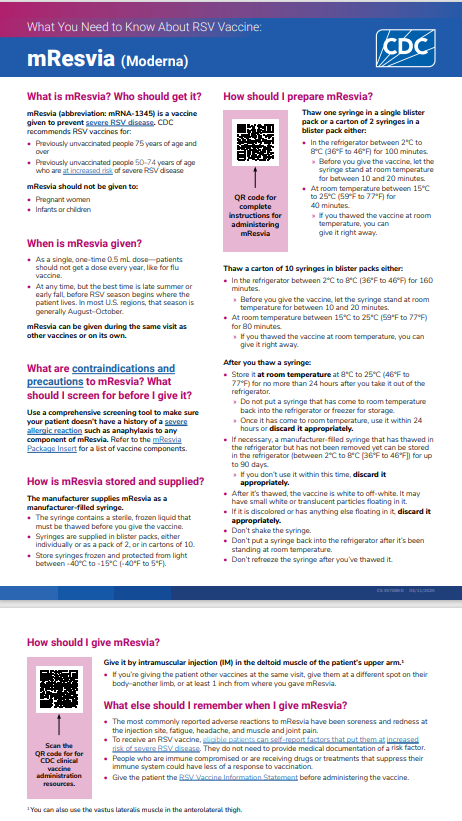
The CDC released four new at-a-glance resources for healthcare professionals on RSV prevention products. Each 2-page document addresses a single product. Use these resources to help your clinical team prepare for RSV prevention in adults and infants this fall. These materials are available on the CDC’s main Respiratory Syncytial Virus (RSV) Immunizations main page and include the following documents:
|
|
|
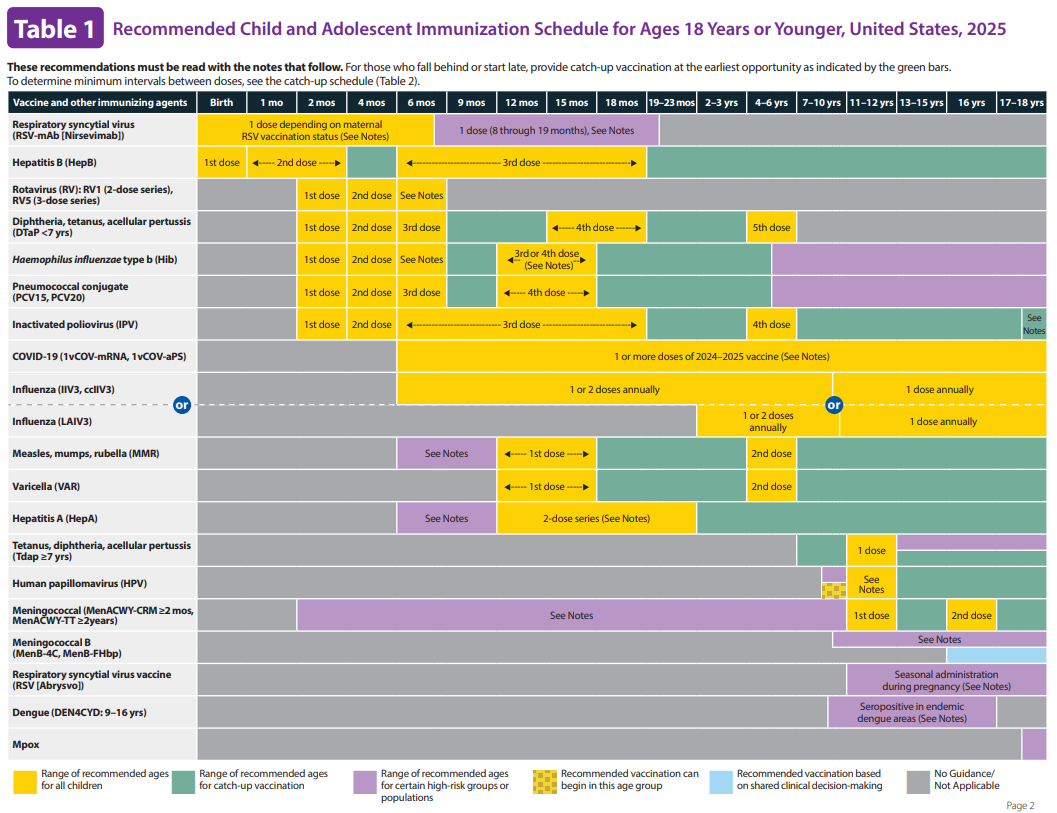
Changes to the Centers for Disease Control and Prevention’s (CDC’s) Child and Adolescent Immunization Schedule related to COVID-19 vaccines were made in May 2025 without adherence to the standard review procedures. As a result, many clinicians are asking where they can find a schedule that continues to reflect a rigorous scientific process.
The American Academy of Pediatrics (AAP) has published its own childhood immunization schedule since the 1930s. In 1995, that schedule was harmonized with the schedule published by the CDC. Now, for the first time in decades, the AAP schedule will once again diverge from the CDC’s to continue recommending vaccines based on the best available data.
Read More: Technically Speaking: “The Evidence-Based Child and Adolescent Immunization Schedule” | Children's Hospital of Philadelphia
Related News:
|
|
|
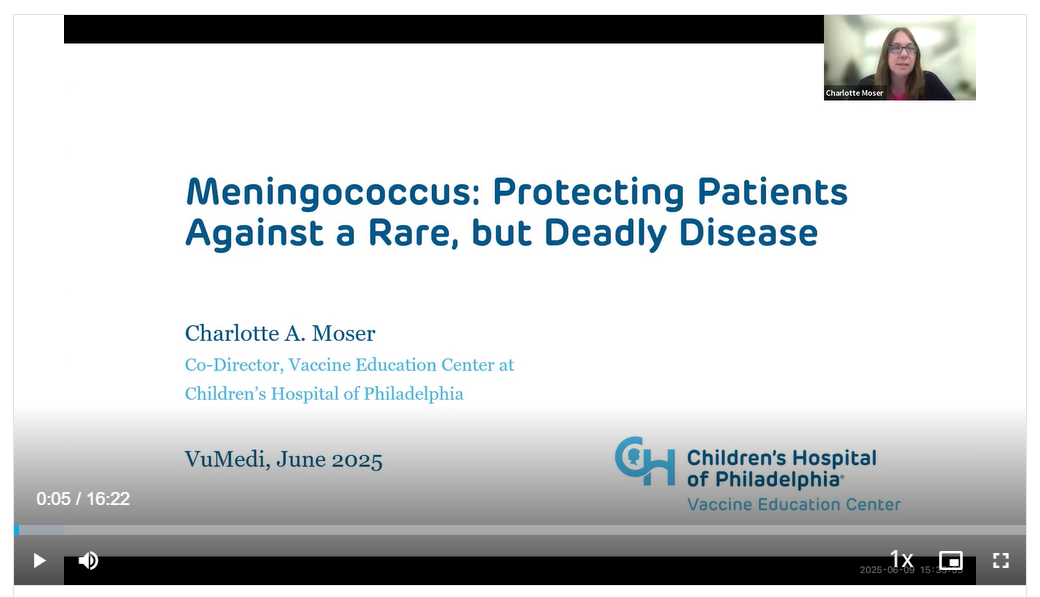
The Vaccine Education Center’s Co-director, Charlotte Moser, recently recorded a brief refresher about meningococcal disease and vaccines for the VuMedi platform. “Meningococcus: Protecting Patients Against a Rare, but Deadly Disease” is a 16-minute video that describes the pathogen, disease trends, available vaccines, and having conversations with patients and families.
Of note, this video includes information about the two pentavalent meningococcal vaccines, including Penmenvy. While the ACIP had recommended Penmenvy to be used in a similar manner as Penbraya during the April 2025 ACIP meeting, the recommendation had yet to be approved by the Secretary of the Department of Health and Human Services when this video was recorded. The ACIP recommendation has since been approved. On July 1, 2025, the CDC updated its official meningococcal vaccine recommendations to include Penmenvy in alignment with the ACIP vote.
|
|
|
Webinar Recording:
August Webinars:
September Webinar:
- Registration is now open for the Sept. 10, 2025, “Current Issues in Vaccines” webinar. Dr. Offit will be discussing- Aluminum Adjuvants: Separating Fact from Fear. The webinar will begin at 9:00 AM PST, and free continuing education credits will be available.
|
|
|
|
FOR SCHOOLS AND CHILD CARE FACILITIES
FOR LONG-TERM CARE FACILITIES
|
|
|
|
|
|
|
If you aren't already signed up for Vaccines for Respiratory Illnesses Newsletter, please visit the Department of Health's email subscribers page here. Once you enter your email, on the next page expand the Immunization topic, select Vaccines for Respiratory Illnesses Newsletter, and click submit.
|
|
This newsletter summarizes content beginning the week of July 27, 2025, and was sent out on August 8, 2025. |
|
|
|
|