|
|
Welcome to the Vaccines for Respiratory Illnesses Newsletter! Here you'll find the latest news and information on respiratory illness vaccine related topics.
- Latest News
- Clinical Updates
- Training and Events
- Resources
|
|
|
May is Older Americans Month! This is a time to recognize older Americans' contributions, highlight aging trends, and reaffirm our commitment to serving older adults. #OlderAmericansMonth
May is Older Americans Month. The 2025 theme, Flip the Script on Aging, focuses on transforming how society perceives, talks about, and approaches aging. It encourages individuals and communities to challenge stereotypes and dispel misconceptions. How do you flip the script on aging?
We're flipping the script on aging and immunization. Vaccines are not just for kids. Regardless of age, adults need protection too! Over time, protection from childhood vaccines can wear off leaving adults at risk for diseases. Factors like your age, occupation, travel plans, and medical conditions all have an effect on which vaccinations you need. So be sure to talk to your doctor about what’s right for you.
Still, some vaccines are typically a must. Here's your guide to all the routine shots that keep serious respiratory illnesses at bay, plus a few other important vaccines that help keep older adults healthy as they age. For more information, check out DOH's For Seniors webpage.
-
Flu vaccine: Get a flu shot every year. Adults 65 and older should make sure they receive a high-dose or adjuvanted version of the shot. These flu vaccines give a stronger immune response than regular flu shots.
-
COVID-19 vaccine: Get one dose of the updated 2024-2025 COVID-19 vaccine. People who are immunocompromised or 65 years old and older should receive 2 doses of any 2024-2025 COVID-19 vaccine 6 months apart.
-
RSV vaccine: All adults 75 and older should get one dose. Adults 60 and over may need a single dose of RSV vaccine if they are at increased risk of severe illness, such as those with weakened immune systems, chronic medical conditions, or who live in nursing homes. Note: Not yet published in CDC's MMWR, but ACIP voted in April 2025, to recommend adults 50-59 years of age who are at increased risk of severe RSV disease can get a single dose of RSV vaccine.
-
Pneumococcal vaccine: Adults 50 years and older should receive PCV15, PCV20, or PCV21. Adults 65 years and older who previously received PCV13 or PPSV23 should talk to their doctor to decide if they should get PCV20 or PCV21.
-
Tetanus and diphtheria (Td) vaccine or tetanus, diphtheria, and whooping cough vaccine (Tdap): A Td or Tdap booster is needed every 10 years to keep your protection high.
-
Shingles vaccine: All adults 50 years or older need two doses of the shingles vaccine whether or not they have had shingles or chickenpox, which is caused by the same virus.
|
|
|
A: A study in JAMA observed moderate state-level variation in childhood vaccine coverage (from 2004 to 2023) ranging from 88% to 96% for measles-mumps-rubella vaccination. Without a 5% higher measles, mumps, and rubella (MMR) vaccination rate, measles may revert to endemicity in the United States within 25 years. Increasing vaccine coverage would prevent this! - JAMA Article, published April 24, 2025
"To prepare for and prevent measles cases and outbreaks, health departments should work with trusted messengers on culturally competent community engagement, education, vaccination efforts, and other infection prevention approaches. Increasing national and local measles, mumps, and rubella vaccination coverage is essential to preventing measles cases and outbreaks." - MMWR Measles Update, published April 24, 2025
|
|
|
The Association of Immunization Managers (AIM) continues to raise the alarm about the spread of measles in the United States. We have reached an alarming milestone in one of the most severe outbreaks in our country since 2000. Twenty-five health department jurisdictions are now reporting more than 800 confirmed cases.
At this time of unprecedented measles spread, AIM welcomes the announcement of the Vaccine Integrity Project. The Center for Infectious Disease Research and Policy (CIDRAP) at the University of Minnesota is launching a project to help ensure safe US vaccine use. This initiative is dedicated to safeguarding vaccine use in the U.S.
The committee will make recommendations on how non-governmental entities such as CIDRAP can help ensure that vaccine use stays grounded in the best available science, free from external influence and focused on optimizing protection of individuals, families, and communities against vaccine-preventable diseases. Read additional information on this new effort here.
|
|
|
So far for the 2024-2025 flu season, Washington recorded 422 deaths from flu, the most deaths recorded in our state in over a decade. Why did we have so many deaths this year? Learn more: WA saw most flu deaths in a decade this season. Here’s why | Tacoma News Tribune
The high death count is due to the following reasons:
- The primary strains of the virus circulating in Washington were H1N1 and H3N2. Both of these strains fall in the influenza A category and cause more severe illness than influenza B strains.
- This flu season saw a late surge, which could have caused a prolonged strain on the health.
- Lower influenza vaccination rates in Washington and across the U.S.
- In Washington, 30.3% of people have been vaccinated against the flu, which is about six percentage points lower than the vaccination rate in the 2019 to 2020 flu season.
- Among children in Washington, the vaccination rate fell from 44.5% in the flu season before the COVID-19 pandemic to 26.8% this year.
The Washington State Department of Health Influenza Update for week 16 is available.
State Summary
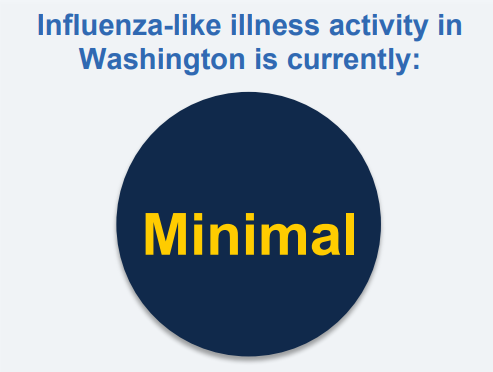
- Influenza-like illness activity was minimal during week 16.
- To date, 422 lab-confirmed influenza deaths have been reported for the 2024-2025 season.
- To date, 223 influenza-like illness outbreaks in long term care facilities have been reported for the 2024-2025 season.
- During week 16, 1.7 percent of visits among Influenza-like Illness Network (ILINet) participants were for influenza-like illness, which was below the baseline of 2.1 percent.
- During week 16, 5 percent of specimens tested by WHO (World Health Organization) and NREVSS (National Respiratory and Enteric Virus Surveillance System) collaborating laboratories in Washington were positive for influenza.
- Influenza A and Influenza B were reported to the ILINet surveillance system during week 16.
|
|
|
Here are highlights from the ACIP (Advisory Committee on Immunization Practices) meeting last week. See agenda and slides.
Meningococcal (slides):
ACIP recommends Penmenvy (GSK’s MenABCWY vaccine) may be used when both MenACWY and MenB are indicated at the same visit for:
- Healthy person aged 16-23 (routine schedule) when MenB vaccine recommended based on shared clinical decision-making.
- Persons ≥10 years at increased risk for meningococcal disease (e.g. because of persistent complement deficiencies, complement inhibitor use, or functional or anatomic asplenia).
RSV (slides):
ACIP recommends adults 50-59 years of age who are at increased risk of severe RSV disease receive a single dose of RSV vaccine.
- CDC will publish Clinical Considerations that describe chronic medical conditions and other risk factors for severe RSV disease for use in this risk-based recommendation.
- At this time, RSV vaccination is recommended as a single dose only. Persons who have already received RSV vaccination is NOT recommended to receive another dose.
- Currently, Arexvy and Abrysvo are licensed for this age group.
VIMKUNYA (virus-like particle chikungunya vaccine [CHIK-VLP]) recommendations (slides):
- ≥12 years traveling to a country or territory where there is a chikungunya outbreak.
- Lab workers with potential for exposure to chikungunya virus.
-
May be considered for ≥12 years traveling or taking up residence in a country or territory without an outbreak but with elevated risk or travel for an extended period of time e.g., 6 months or more.
FluMist self/caregiver administration (slides):
An overview of the use of FluMist for self or caregiver administration was discussed.
COVID-19 Vaccines (slides):
The workgroup shared an update on the ongoing review of considerations for use of 2025-2026 COVID-19 vaccines. The number of COVID-19 deaths has decreased since 2021-2022, but there continues to be surges in Winter and Summer/Fall. COVID-19 hospitalizations showed similar patterns. COVID-19 vaccination coverage among adults 18 years and older for 2023-2024 season and until March for 2024-2025 is at around 20%. During the June ACIP meeting, the workgroup will be discussing a change from a universal vaccine policy to a risk-based recommendation only, or a combination of risk-based and universal vaccine recommendation for 2025-2026 COVID-19 vaccines.
|
|
|
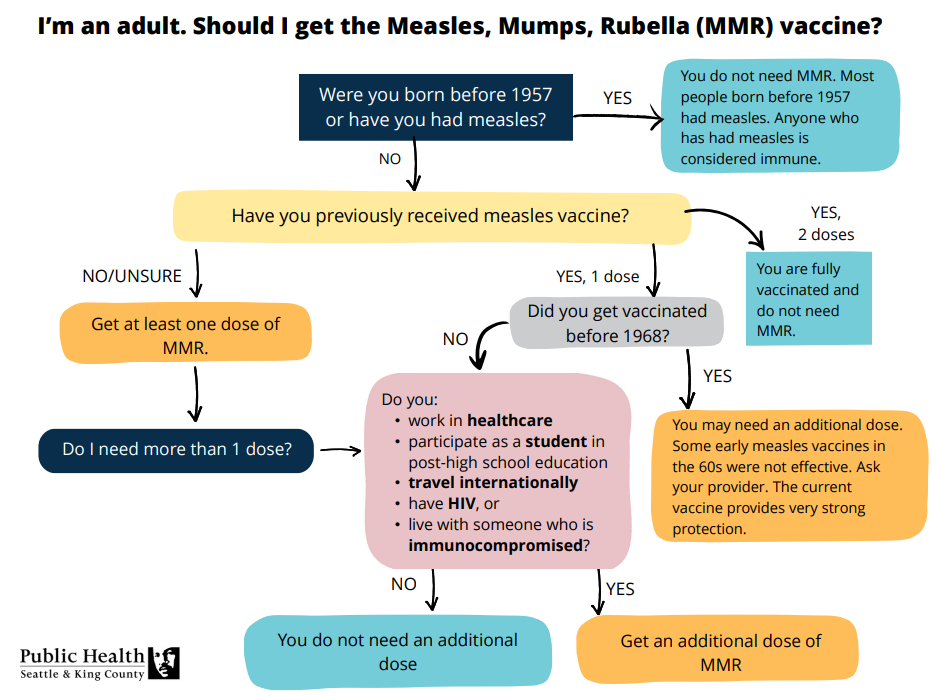
Public Health – Seattle & King County (PHSKC) gathered up a lot of their public-facing measles resources in their blog post from the Public Health Insider.
To help provide information about measles, PHSKC has created a number of resource materials for schools, workplaces, organizations, health care, and anyone to share. Many languages are available for each resource! Please download and use these resources to help people in your networks learn about measles, how contagious it is, and what they can do to protect themselves and their families.
Check out these flyers and handouts:
-
Measles information flyer for families
-
How Contagious is Measles?
-
Should adults get the Measles, Mumps, Rubella (MMR) vaccine?
-
Vaccines & Autism: Unraveling the Myth
|
|
|
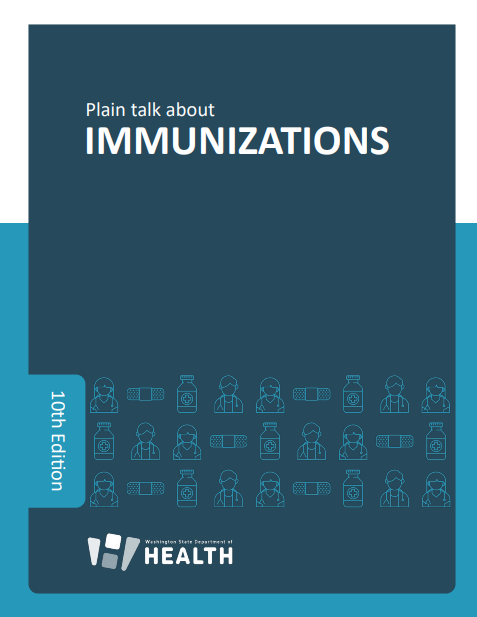
The Plain Talk About Immunizations manual is now available as a webpage in addition to a PDF file (Spanish PDF). The webpage is also available in Spanish.
The Plain Talk About immunizations was created to address the need for comprehensive, clear and simple information about vaccines and diseases, designed for health care providers and public health professionals.
The web page is now easily searchable and can be updated quickly with new updates. More resources for parents and the public will be available in the future, so please keep checking back for updates.
|
|
|
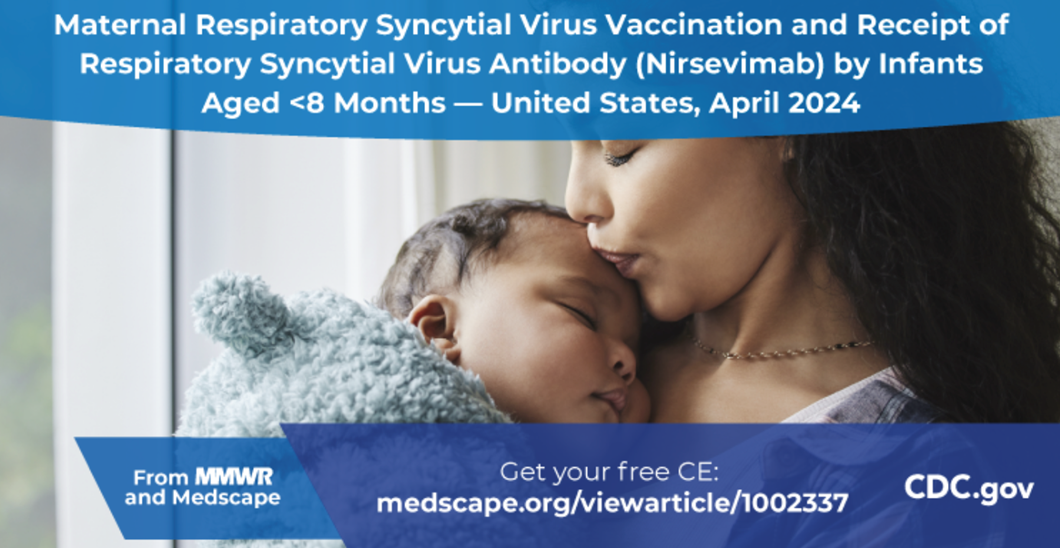
In collaboration with CDC, Medscape released a free text-based educational activity for health care professionals: Maternal Respiratory Syncytial Virus Vaccination and Receipt of Respiratory Syncytial Virus Antibody (Nirsevimab) by Infants Aged <8 Months—United States, April 2024. Earn 0.50 CME, CNE, CPE, or interprofessional credit.
This activity is intended for primary care clinicians, obstetrician gynecologists, pediatricians, nurses, pharmacists, and other clinicians who care for pregnant women and infants. The goal of this activity is for learners to be better able to evaluate the use of the maternal RSV vaccine and nirsevimab in the United States.
Do you like podcasts? Do you want to listen to an episode about vaccines? How about maternal vaccines? If yes, take a listen to ACOG's Labor of Love Podcast, Season 4: Episode 2: Vaccinating for Two: Overcoming Challenges in Maternal Vaccines. Listen on Spotify or Apple Podcasts.
Immunization during pregnancy plays a vital role in protecting both patients and their babies. This podcast episode provides health professionals with:
- The latest guidance on immunization during pregnancy, including COVID-19, Influenza, RSV, and Tdap.
- Co-administration strategies, proper documentation, and approaches to overcoming vaccine hesitancy and access barriers.
- Preparing pregnant patients for respiratory illness season, addressing challenges such as maternal sepsis, and sharing case studies on successful vaccine interventions.
|
|
|
Clinical Care Options will host an event titled The ABCs of RSV: Implementing the Latest Adult Vaccine Recommendations, in person and virtually from 4:45–6:15 PM PST on May 16, 2025. The in-person event is open to registered participants at the American College of Physicians (ACP) annual meeting in Denver, CO. Virtual attendance is open to anyone at no charge. Participants will learn best practices for implementing RSV vaccination in clinical practice, including determining vaccine eligibility, explaining RSV risk, addressing logistics, and reducing disparities in vaccine uptake. CNE and PA credit are available.
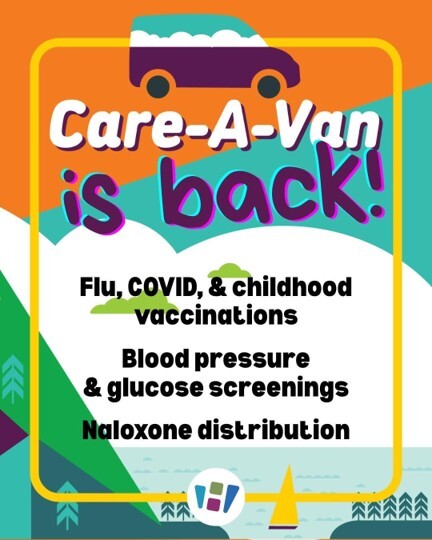
Great news! After a brief pause, our Care-A-Van mobile health clinic is BACK on the road and ready to serve communities across Washington state!
Through June 30, 2025, we'll continue offering:
- Flu, COVID-19, and childhood vaccinations
- Blood pressure and glucose screenings
- Naloxone distribution
Check our "Upcoming Events" section on doh.wa.gov/careavan to find a Care-A-Van clinic near you. Care-A-Van is accepting new event requests through the end of June.
Questions? Contact us at care-a-van@doh.wa.gov
|
|
|
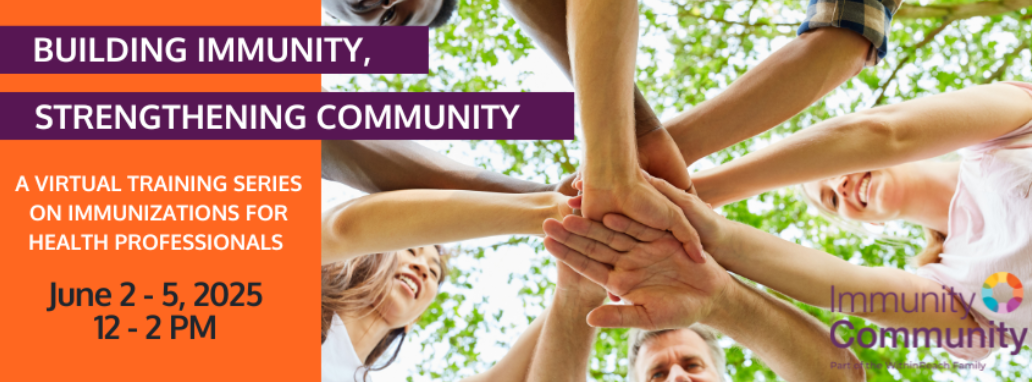
Vaccinators rely on evidence-based training and resources as they deal with burnout, vaccine fatigue, and uncertainty about future federal support. That's why WithinReach, in partnership with the Washington Department of Health, American Indian Health Commission, and local coalitions and partners, is excited to announce "Building Immunity, Strengthening Community" a virtual training series.
This four-day event will bring together health professionals (doctors, nurses, medical assistants, pharmacists, physicians’ assistants, and nurse practitioners) from across Washington and the region for immunization fundamentals, best practices, and strategies to increase vaccine confidence. Not able to make it from 12 – 2 PM each day? All sessions will be recorded and shared with registrants, so you can join live or catch up at your own pace.
Learn more about the event including agenda details, scholarships, and sponsorship opportunities on the Immunity Community webpage. Continuing education credits are available for nurses, medical assistants, pharmacists and pharmacy techs.
|
Event Details:
- When: June 2 - 5, 2025
- Time: 12 - 2 PM Pacific Time
- Virtual - Zoom Webinar (recordings will be available to registrants following the series)
Registration Information:
|
|
|
|
|
|
FOR SCHOOLS AND CHILD CARE FACILITIES
FOR LONG-TERM CARE FACILITIES
|
|
|
|
|
|
|
If you aren't already signed up for Vaccines for Respiratory Illnesses Newsletter, please visit the Department of Health's email subscribers page here. Once you enter your email, on the next page expand the Immunization topic, select Vaccines for Respiratory Illnesses Newsletter, and click submit.
|
|
This newsletter summarizes content beginning the week of April 20, 2025, and was sent out on May 2, 2025. |
|
|
|
|