Vaccines for Respiratory Illnesses Newsletter - April 18, 2025
Washington State Department of Health sent this bulletin at 04/18/2025 10:00 AM PDT
Welcome to the Vaccines for Respiratory Illnesses Newsletter! Here you'll find the latest news and information on respiratory illness vaccine related topics.
Latest News
Clinical Updates
Training and Events
Resources
National Infant Immunization Week (April 21–28) – We highlight the importance of protecting children two years and younger from vaccine-preventable diseases and recommend that children stay on track with their well-child appointments and routine vaccinations. World Immunization Week (April 24–30) – A global push for vaccine equity and access for all ages. Thank you for all you do to promote vaccines! Vaccines save lives!
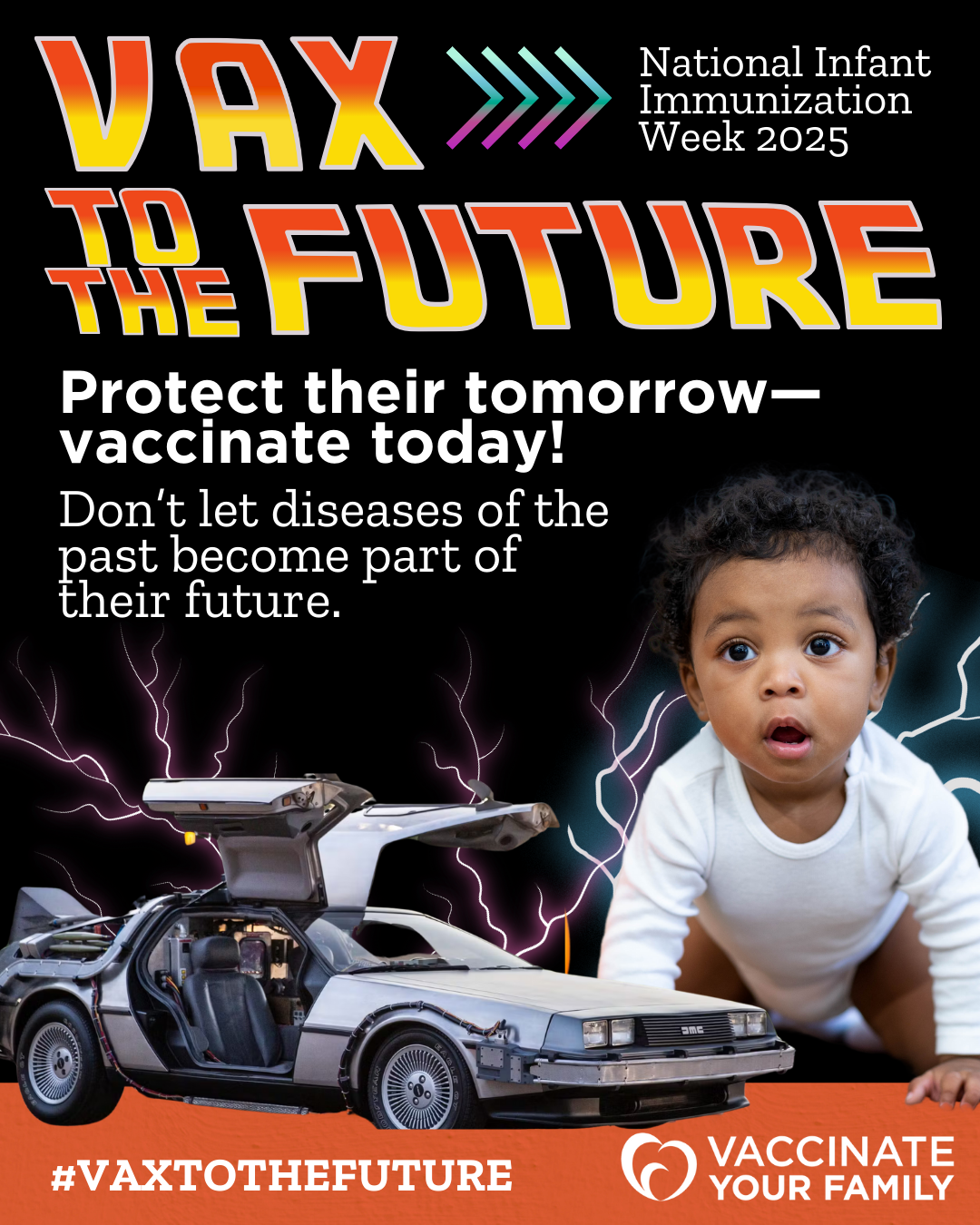
National Infant Immunization Week (NIIW) is April 21–28, 2025
Don’t let diseases of the past become a part of their future.
In 2025, no parent should have to worry about their baby facing diseases like measles, rubella, diphtheria, or other illnesses we now have the power to prevent. But the ongoing measles outbreaks facing our nation today remind us that the progress we’ve made is fragile — and it’s up to all of us to protect it.
We’re fortunate to live in a time when we can protect babies from more than 16 dangerous diseases that once infected and even killed thousands of children. Today, 9 out of 10 parents in the U.S. choose to vaccinate. But with misinformation spreading and preventable diseases like measles making a comeback, it’s more important than ever to affirm why making the choice to vaccinate is so important.
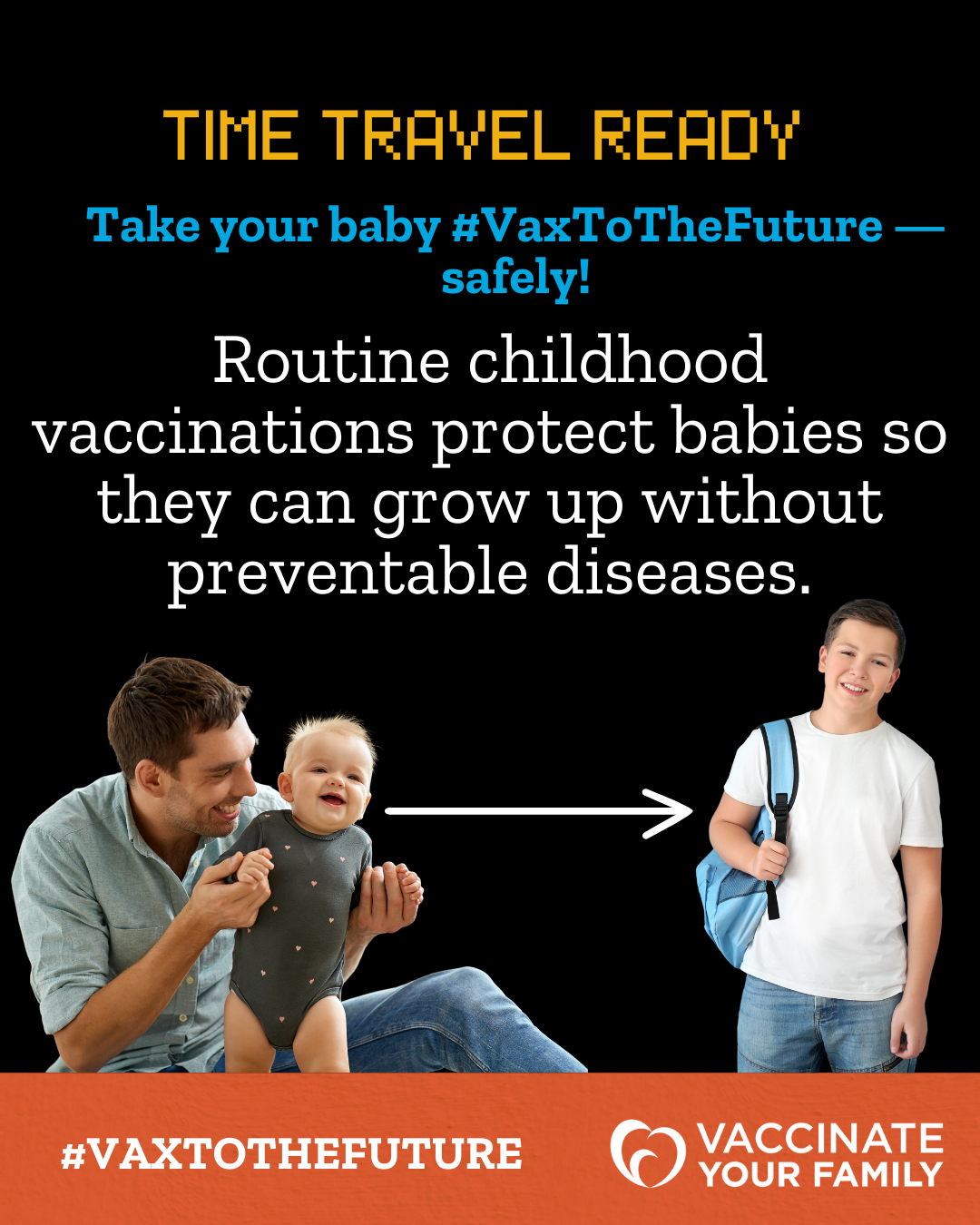
We all want to protect our children. But in a world full of conflicting information, knowing who to trust can be hard. The #VaxToTheFuture campaign helps explain how we can trust that vaccines are safe, while emphasizing that risking infection with diseases they protect against is not.
Vaccinate Your Family’s#VaxToTheFuture campaign is a bilingual initiative to remind parents, caregivers, and communities of a simple but powerful truth: a childhood free from vaccine-preventable diseases is possible, but only if we remember the lessons of the past and choose to vaccinate.
Join us in spreading the word about the importance of infant immunization. It has never been more important for each of us to speak up for the importance and safety of routine immunization for babies. Remember to use the #VaxToTheFuture hashtag when you share on social media and tag @vaccinateyourfamily (@vaxyourfam on X/Twitter) so we can amplify your posts!
Heads up! World Immunization Week (WIW) happens around the same time as NIIW. WIW is April 24-30, 2025. It’s time to show the world that Immunization for All is Humanly Possible. Hashtags: #VaccinesWork, #Humanly Possible Check out the World Health Organization's Campaign!
Q: Do I need an extra measles shot if I'm traveling to Texas soon? What about other places in the U.S.?
A: It's possible, especially if you're unvaccinated, not fully vaccinated, or unsure of your vaccination status for measles. Residents of and travelers to domestic measles outbreak areas with ongoing, community-wide transmission and international travelers may need additional doses of MMR vaccine.
The current increase in measles cases in the United States is due to people returning to the United States from international trips with measles and an expanding outbreak among communities with low vaccination coverage in Texas and other states.
DOMESTIC MEASLES OUTBREAK
Vaccination of visitors to outbreak-affected areas should be consistent with the guidance of the state, local, tribal, or territorial health department for residents of the outbreak-affected community. Health care providers should follow these vaccination recommendations for areas experiencing sustained, community-wide measles transmission and an ongoing risk of exposure.
In some cases, additional vaccinations may be recommended beyond the routine MMR vaccination schedule. For example, health departments may recommend:
A second dose of MMR vaccine for adults who received one prior dose and are living in or traveling to these affected areas. Adults with no documentation of vaccination history should receive two doses, at least 28 days apart.
A second dose of MMR vaccine for preschool-aged children aged 1 to 4 years who received one prior dose and live in or plan to travel to the outbreak area. Children with no documentation of vaccination history should receive two doses, at least 28 days apart.
An early dose of MMR vaccine for infants aged 6–11 months who live in or are traveling to the outbreak area. Infants younger than 12 months of age are at greatest risk of severe illness.
ROUTINE MMR VACCINATION RECOMMENDATIONS
For children, CDC routinely recommends two doses of measles-containing vaccine: First dose at age 12 through 15 months and the second dose at age 4 through 6 years before school entry.
Adults should also have received 1 or 2 doses (depending on risk factors), unless they have other presumptive evidence of immunity to measles.
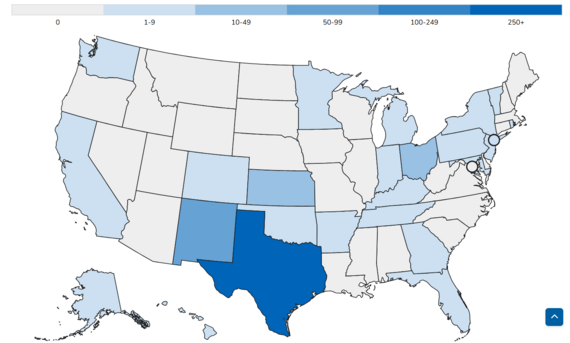
Map of measles cases in 2025 as of April 10, 2025. Any shade of blue indicates confirmed measles cases.
State Health Officer Shares CDC Updates and Guidance On Measles
State Health Officer Tao Sheng Kwan-Gett, MD MPH, reached out to Local and Tribal Health Officers and Directors to share information sent by the CDC to health care providers about the recent national rise in measles cases and guidance.
CDC recently issued two letters to health care providers to share an update on the recent rise in measles cases and guidance:
Contains a summary of the current measles situation as well as measles vaccination recommendations – including for travel to outbreak affected areas, and links to measles resources.
Highlights importance of identifying measles or exposures to measles and responding with actions to mitigate spread – isolating patients, notifying public health, collecting samples, and managing patients with supportive care.
Share this information through your networks as you see fit. In addition, we encourage health care providers to:
Actively promote MMR vaccination and support patients in getting up to date
Increase opportunities for vaccination, including offering MMR vaccine during routine and acute visits
Reduce barriers to vaccination access, particularly for communities at higher risk for disease or complications
The MMR Travel and Outbreak Recommendations (PDF) contain guidance on MMR vaccination, including when to consider an early dose of MMR vaccine for infants aged 6–11 months. Note that:
No consultation with local or Tribal public health is needed if the early dose is related to travel — either domestic or international — to an area affected by an outbreak.
Consultation with Local Health Jurisdictions is required if the early dose is not related to travel, unless public health has already recommended early vaccination in response to a local outbreak.
See the following resources for additional support:
In The News: WA Leads the Nation in Soaring Whooping Cough (Pertussis) Cases
States on the Pacific Coast and in the Midwest have reported the most cases of pertussis this year, with Washington leading the country with 807 cases so far, more than five times as many at this time last year. A Washington child died of pertussis in November 2024 (not announced until February 2025) had no underlying medical conditions and had not completed the DTaP vaccine series.
While Washington’s overall vaccination rate for whooping cough has remained relatively steady over the last decade at around 90%, pockets of low vaccination rates have allowed the disease to take root and put the wider community at risk, said Dr. Tao Sheng Kwan-Gett, a pediatrician and chief health officer of the Washington State Department of Health. “It really breaks my heart,” he said, “when I see children suffering from preventable diseases like whooping cough and measles when we have the tools to prevent them.”
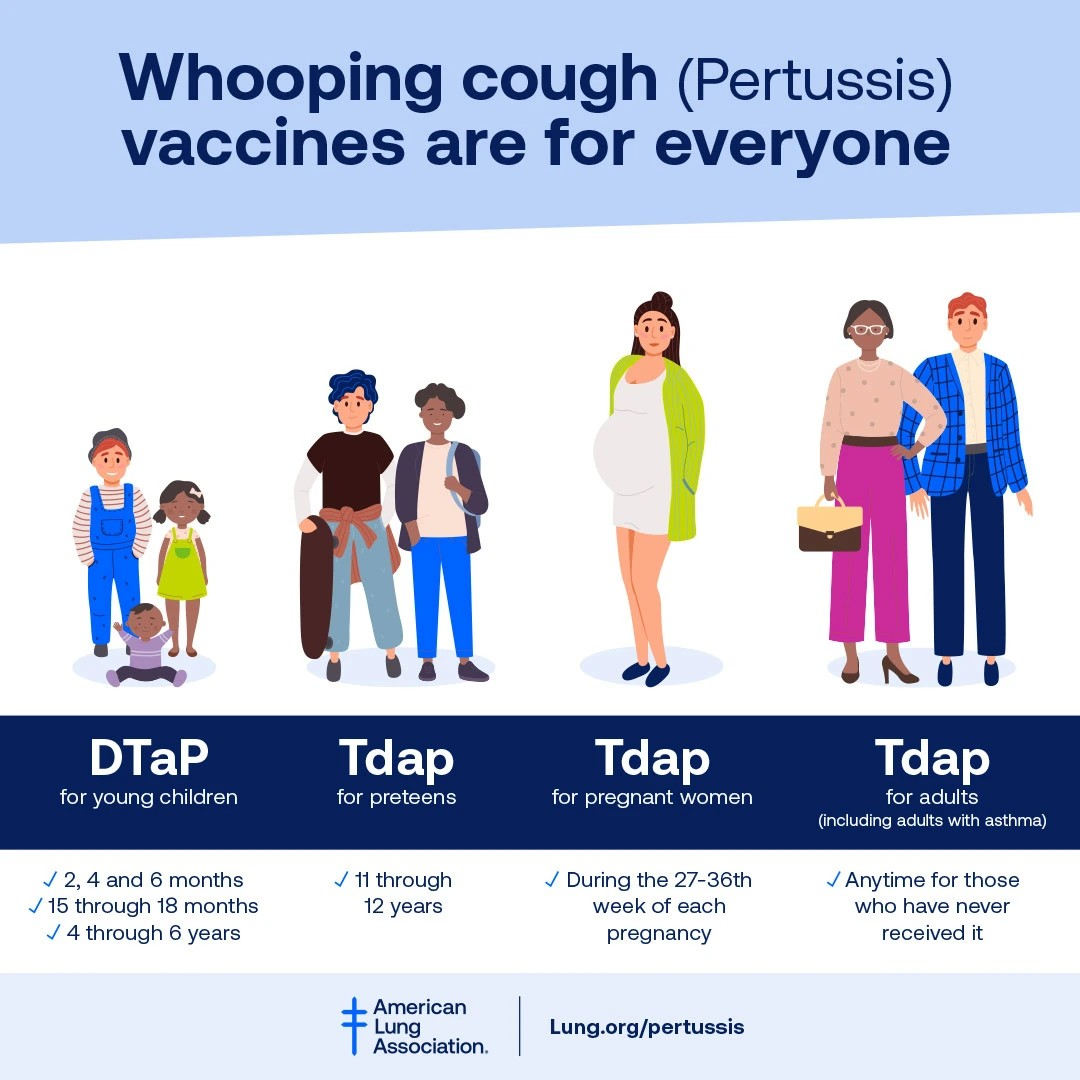
As we highlight Nation Infant Immunization Week (April 21-28), let's help spread the word about the importance of children getting their routine vaccines. The DTaP vaccine is used to prevent diphtheria, tetanus, and pertussis in children younger than 7 years. Kids should get 5 doses of DTaP vaccine, one dose at each of the following ages: 2, 4, 6, and 15 to 18 months, and 4 to 6 years. Most infants get pertussis from a family member, so older children and adults who have contact with babies should get a Tdap vaccine.
Seasonal Flu Activity Continues to Decline; However, CDC Expects Several More Weeks of Flu Activity
WA State Summary:
Influenza-like illness activity was low during week 14.
To date, 388 lab-confirmed influenza deaths (3 pediatric deaths) have been reported for the 2024-2025 season.
To date, 220 influenza-like illness outbreaks in long term care facilities have been reported for the 2024-2025 season.
During week 14, 2.1 percent of visits among Influenza-like Illness Network (ILINet) participants were for influenza-like illness, which was equal to the baseline of 2.1 percent.
During week 14, 6.3 percent of specimens tested by WHO (World Health Organization) and NREVSS (National Respiratory and Enteric Virus Surveillance System) collaborating laboratories in Washington were positive for influenza.
Influenza A and Influenza B were reported to the ILINet surveillance system during week 14.
National Highlights:
This season is classified as a high severity season overall and for all age groups (children, adults, older adults) and is the first high severity season since 2017-2018.
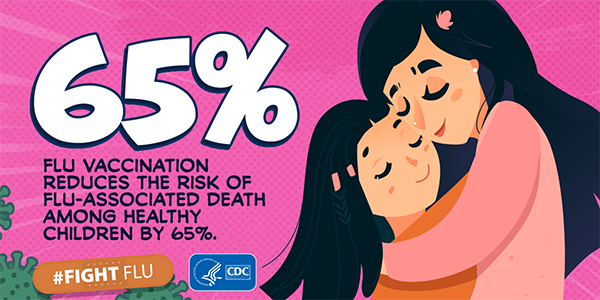
Flu vaccination rates have dropped steadily since the pandemic and this year, they were among the lowest we’ve seen.
Based on data from FluSurv-NET, the cumulative hospitalization rate for this season is the highest observed since the 2010-2011 season.
Pediatric deaths associated with seasonal influenza virus infection bring the 2024-2025 season total to 188 pediatric deaths. Final counts expected to rise as more death certificates are processed.
CDC estimates that there have been at least 45 million illnesses, 580,000 hospitalizations, and 25,000 deaths from flu so far this season.
The Advisory Committee on Immunization Practices (ACIP) voted to expand the options for meningococcal vaccines and to lower the age of recommendation for RSV vaccines to include people aged 50 to 59 with certain risk factors. They also voted to recommend vaccines for the tropical disease chikungunya for travelers or lab workers who are likely to be exposed to the virus.
Below is a brief summary of the final votes of the ACIP. You can view the full anticipated vote language here. All final votes still have to be approved by CDC. They are not final recommendations until they are published in the Morbidity and Mortality Weekly Report (MMWR).
Meningococcal Vaccines
Final Vote: ACIP recommends GSK's MenABCWY vaccine may be used when both MenACWY and MenB are indicated at the same visit
RSV-Adult Vaccines
Final Vote: ACIP Voted to widen the recommendations on the use of RSV shots to include people aged 50 to 59 who are at increased risk of RSV-associated lower respiratory tract disease (LRTD), such as those with asthma, diabetes, and heart disease.
Chikungunya Vaccines
Final Vote: ACIP voted to use the chikungunya vaccine for laboratory workers with potential for exposure and in people aged 12 and over travelling to a country or territory where there is an outbreak of the disease. Additionally, the vaccine may be considered for individuals who are traveling to or residing in a country or territory without an active outbreak but where there is elevated risk for US travelers, particularly if the planned stay is for an extended period, such as six months or more.
COVID-19 Vaccines
Panelists also discussed changing from a broad to a risk-based strategy for COVID-19 vaccination, which would be a major change in direction, and will be voted on at the next meeting scheduled for June 2025. Flu vaccines will also be on the agenda at the next meeting.
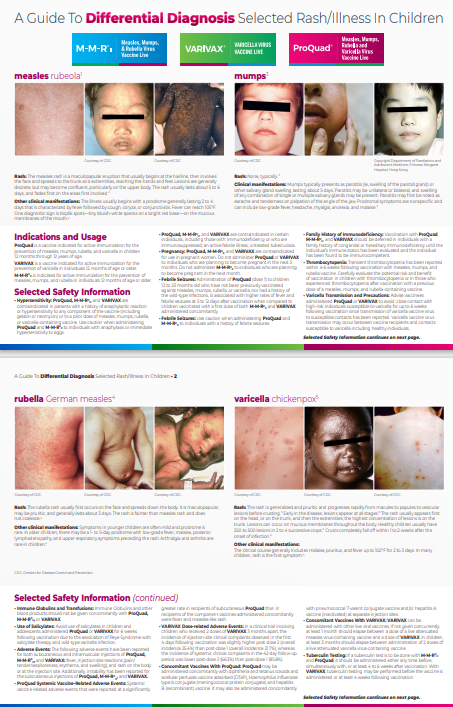
Free Poster Available From Merck with Clinical Images of Childhood Measles, Mumps, Rubella, and Chickenpox
In light of the ongoing measles outbreaks in the United States, Merck recently posted an updated PDF copy of its longstanding poster titled A Guide To Differential Diagnosis: Selected Rash/Illness In Children. The 3-panel graphic provides images and text descriptions to help differentiate the rashes and other clinical manifestations of measles, mumps, rubella, and chickenpox (varicella).
There are two widely available and interchangeable vaccines against measles, mumps, and rubella in the United States: MMR-II (Merck) and Priorix (GSK). Merck is the only manufacturer of vaccines to prevent chickenpox (varicella) in the United States.
Nominate a 2025 Immunization Champion by April 28th!
The Washington State Department of Health (DOH), in conjunction with Association of Immunization Managers (AIM), has launched the 2025 Immunization Champion Award! The award recognizes individuals for going above and beyond to promote or foster adult and child immunizations in their communities.
Additional information can be found on AIM's website or the CDC website.
Building Immunity, Strengthening Community- A Virtual Training Series on Immunizations for Health Professionals
WithinReach, in partnership with the Washington Department of Health, American Indian Health Commission, and local coalitions and partners, is excited to announce “Building Immunity, Strengthening Community“ a virtual training series.
Calling all vaccinators and immunizers! Register today for this four-day event will bring together health professionals (doctors, nurses, medical assistants, pharmacists, physicians’ assistants, and nurse practitioners) from across Washington and the region for immunization fundamentals, best practices, and strategies to increase vaccine confidence.
Date: June 2 – 5, 2025
Time: 12:00 – 2:00 pm PST
Who Should Attend: This training is designed for immunization advocates and clinicians or “vaccinators” including doctors, nurses, medical assistants, pharmacists, physicians’ assistants, and nurse practitioners.
What to Expect:
Gain essential immunization knowledge, learn best practices and strategies to increase vaccine confidence, and combat vaccine fatigue.
Connect with fellow health professionals across Washington state and reignite your passion for community vaccination.
Virtual and in-person opportunities to watch the Shot in the Arm documentary film.
Continuing Education: CEUs will be available. Specific details will be updated closer to the event date.
Registration Costs:
Early Bird: $50 per person available through April 28, 2025.
Standard: $75 per person available from April 29, 2025, through June 5, 2025.
Scholarships are available for those with financial hardship or funding constraints. Apply through May 19, 2025.
Webinar: Why are We Still Talking About Pertussis?
Join the Connecticut Immunization Coalition and American Lung Association for a webinar to learn about pertussis updates, vaccination recommendations, coverage and more. This webinar is geared towards public health and healthcare professionals.
Webinar Series: Pop-Up Vaccine Clinic Guide by WA DOH
Register today for an upcoming webinar series on the Pop-Up Vaccination Clinic Guide hosted by the WA DOH. Gain expert insights from experienced public health professionals who will share their best practices in establishing effective vaccination clinics. Learn actionable strategies to enhance clinic efficiency and reach underserved populations. CE credits available!
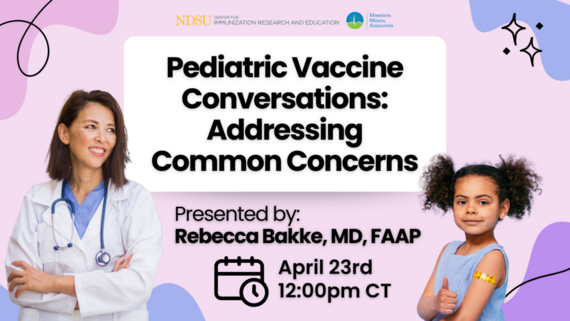
Discuss clear, research-backed answers and communication strategies that effectively address vaccine-related questions from patients and caregivers.
Describe healthcare providers' ability to engage in productive, empathetic conversations that build trust and encourage vaccine confidence among patients and families.
Date: April 23, 2025
Time: 10:00 - 11:00 AM PST
We are offering Maintenance of Certification (MOC) points for the American Board of Pediatrics for those that attend this session. If you plan to seek MOC points for this session, the CIRE team will follow up with greater details.
Webinar: Local Efforts to Improve Childhood Vaccine Access- Example from Clackamas County
The April session of Hot Topics in Practice will discuss the strategies utilized by Clackamas County to increase childhood immunization rates through improving vaccine access. After analyzing vaccine rates and interviewing key informants, NWCPHP provided recommendations to promote vaccination practices through policy, partnership, data, and communications.
Date: April 29, 2025
Time: 12:00 - 1:00 PM PST
Since the 1800s, immunizations have been a vital tool in protecting communities from infectious diseases. In 2023, the Clackamas County Public Health Division, located in Oregon, sought to increase childhood immunization rates, and partnered with the Northwest Center for Public Health Practice (NWCPHP) to conduct an analysis of the county’s childhood vaccine landscape.
If you aren't already signed up for Vaccines for Respiratory Illnesses Newsletter, please visit the Department of Health's email subscribers page here. Once you enter your email, on the next page expand the Immunization topic, select Vaccines for Respiratory Illnesses Newsletter, and click submit.
This newsletter summarizes content beginning the week of April 6, 2025, and was sent out on April 18, 2025.