 |
|
Get to Know Your Board
Meet Whitney Smith, 2023-2027 board member. Read the Q&A here.
|
 |
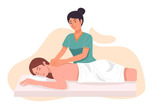
Massage Cupping: Communicating with Clients Before Treatment
Jonathan Chamrad, Program Associate
In the world of massage therapy, effective communication between therapists and clients is paramount. It is the foundation that supports a productive therapeutic relationship and significantly impacts the efficacy of treatment. A client's perception of care plays a critical role in influencing clinical outcomes, treatment adherence, and ongoing therapeutic engagement. Therefore, therapists should be mindful of how different therapeutic modalities may be perceived and interpreted by clients.
Do you practice cupping therapy? Massage cupping is a technique that involves placing cups on the skin to create suction. This method promotes fluid exchange and circulation, improves range and quality of motion, relieves muscle tension, and facilitates the healing process. While many LMTs have seen great therapeutic results using this unique therapy, it’s essential for clients themselves to understand why cupping is being used in their cases as well as the potential physical outcomes of cupping.
One common occurrence after cupping is the appearance of markings or discoloration on the skin, often in perfectly circular patterns. These markings can range from light pink to deep purple and are often mistaken for bruises. However, it’s important to explain to clients that cupping marks are not the same as bruising. Bruises are often painful, typically resulting from injury to the blood vessels in the deeper muscle or tissue. In contrast, the markings from cupping are caused by the suction created by cups pulling blood to the surface of the skin. These marks, or petechiae, form when small blood vessels, or capillaries, break just under the skin. Petechiae are common to massage cupping and are generally painless.
Letting your clients know beforehand that these markings can fade within a few days to a week, depending on individual skin sensitivity and the intensity of the treatment, can help prevent misunderstandings. Some clients may fear they have had an allergic reaction or have developed a new medical condition. Some clients or their family members do not like the “look” of cupping marks, especially if they interfere with social engagements. For example, if a client has an outdoor wedding planned where she will be wearing a strapless dress!
Misunderstandings can occur, but open lines of communication allow for the early identification and resolution of conflicts. Investing in strong communication skills can transform the therapist/client relationship, promoting a more effective and satisfying therapeutic experience. As you continue to learn and grow together with your clients, please prioritize clear and open communication to maximize the benefits of massage cupping therapy.
|
|
Don't forget to renew your license!
It is against the law to practice on an expired license. It is the practitioner’s responsibility to ensure their license is active if they want to continue to practice. In accordance with WAC 246-12-030, courtesy renewal notices are mailed to the address on file. Failure to receive a courtesy renewal notice does not relieve or exempt the credential renewal requirement.
Courtesy renewal notices are mailed to the address on file at least six to eight weeks in advance of the expiration date. However, a practitioner can renew their license as early as 90 days before the expiration date either online, by mail, or by phone. To avoid a late fee and the risk of practicing with an expired license, you must renew on time.
Once a massage therapy license goes into expired status, it cannot be renewed online, and a late fee will be assessed. A credential status will automatically go into an expired status if the practitioner does not renew on or before the expiration date.
Find more information on the Department of Health’s License Renewal webpage.

HELMS Project Updates
The second release of HELMS launched Wednesday, April 29, 2025! After a year of functional and technical work on release 2, we are thrilled to announce that this tool is ready for health professionals practicing in Washington state. Those interested in being kept abreast of ongoing communications may subscribe to the newsletter.
For more information, please visit our website, sign-up for Gov Delivery Bulletins (Subscription topic: HELMS) or email us at HELMS@doh.wa.gov.
|
Comments or Questions for the Board?
If you have questions or comments for the board, please remember that it is important to direct them to the massage program staff members or to provide them during a public comment period at a board meeting. While board members are more visible than the program staff, the public needs to be aware that individual board members do not speak on behalf of the board or department about decisions that are made in regard to the massage profession.
Frequently Looked For:
|