|
|
Welcome to the Vaccines for Respiratory Illnesses Newsletter! Here you'll find the latest news and information on respiratory illness vaccine related topics.
- Latest News
- Clinical Updates
- Training and Events
- Resources
|
|
|
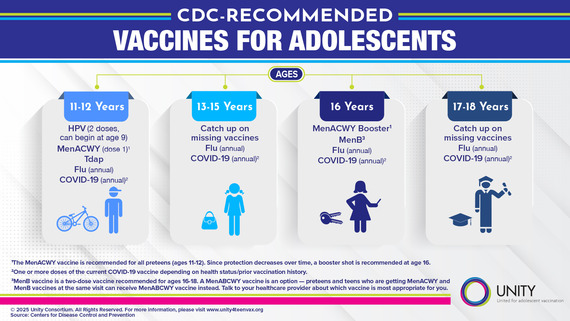
Adolescent Immunization Action Week (AIAW) is a yearly observance held April 7–11, highlighting the importance of adolescent immunizations by encouraging health care providers and parents to take action by keeping their adolescents up to date on their recommended vaccines.
On-time vaccination is critical to protect and prevent more than one million adolescents (age 10-19) in Washington from getting sick and missing out on activities that are important to them. Learn more about the vaccines preteens and teens need: For Preteens and Teens (7-18 Years) | Washington State Department of Health.
Participate in AIAW25 to help share accurate vaccine information and motivate adolescents and young adults to stay up to date with recommended vaccines. Use Unity's Partner Toolkit, which includes ready-to-use graphics, social media templates, sample newsletters, posters, flyers, and key messages to support this goal. Resources are turnkey but can also be customized and co-branded to meet your needs.
Participate in a Social Media Takeover on Monday, April 7, from 9 to 10 AM PST. On this first day of AIAW25, post content on your social media platforms, choosing which messages work for you and use the hashtag #AIAW25
Heads up! National Infant Immunization Week (NIIW) is April 21–28, 2025. Prepare your promotion activities with CDC’s digital media toolkit. Please share your social media posts using the hashtag #ivax2protect
|
|
|
A: No, early MMR vaccination does not lead to reduced protection against measles, as long as the child gets two doses of MMR vaccine after the age of 12 months.
In the case of an outbreak or international travel, children as young as 6 months can get a dose of MMR vaccine, and children under 4 years old who have gotten one dose can get their second one earlier. The second dose can be given earlier as long as there has been an interval of at least 28 days since the first dose.
The rationale for two doses after 12 months of age is because a child that is younger doesn't have their immune system developed enough to where the vaccine would provide prolonged or lifelong immunity. Doses given before 12 months of age are not counted toward the 2-dose series for MMR.
|
|
|
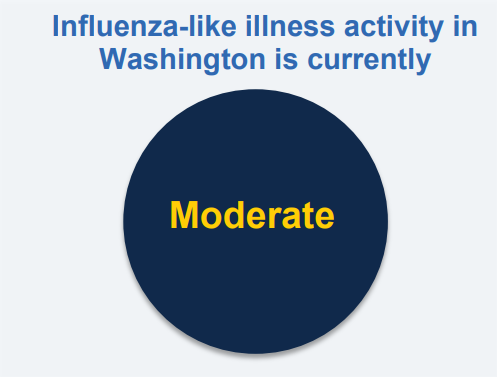
Across most of the U.S., influenza-like illnesses are dipping just below epidemic levels. Washington has now moved from high to moderate influenza-like illness activity. The good news is the worst is probably over; however, CDC expects several more weeks of flu activity. The bad news is that it was a rough flu season.
This season is classified as a high severity season overall and for all age groups (children, adults, older adults) and is the first high severity season since 2017-2018. Nationally, this flu season saw the highest number of hospitalizations in the past 15 years. We’re still waiting on final death counts, especially among kids, but unfortunately, we expect the trend to follow.
In Washington, the number of deaths from flu is now up to 357. This is the highest number of lab-confirmed deaths since 2010. Sadly, we will likely see more lab-confirmed influenza-associated deaths reported given how flu deaths are reconciled and the associated reporting lag.
It's not too late to get your flu shot! CDC continues to recommend that everyone ages 6 months and older get an annual flu vaccine as long as influenza viruses are circulating.
A new confirmed case of measles was announced in a media release on April 2, 2025, with public exposure locations listed. This third case is in a Snohomish County infant and is not related to our two other recent cases and is not associated with Texas. It is from international travel.
People who were at certain locations in Snohomish and King counties may have been exposed to measles. People who are vaccinated are well protected. Exposed individuals should check to make sure they have immunity against measles.
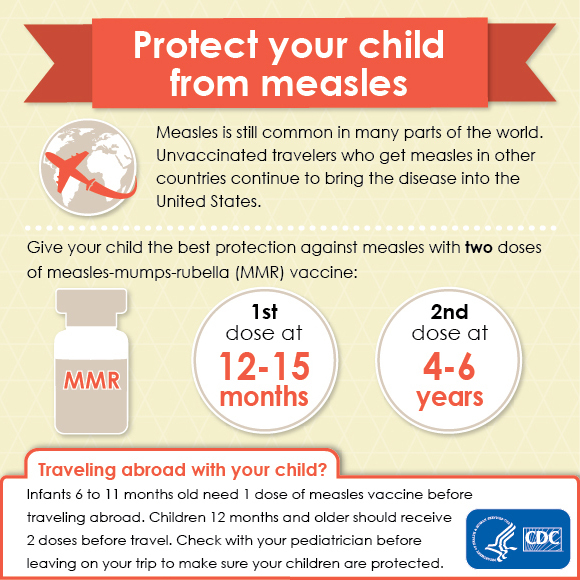
Children need two doses of MMR vaccine: the first dose at age 12-15 months, and the second dose at age 4-6 years. Babies ages 6-11 months should get an early dose if traveling internationally. They will still need two additional doses later.
In Washington State, all children under age 19 can get vaccines for free.
|
|
|
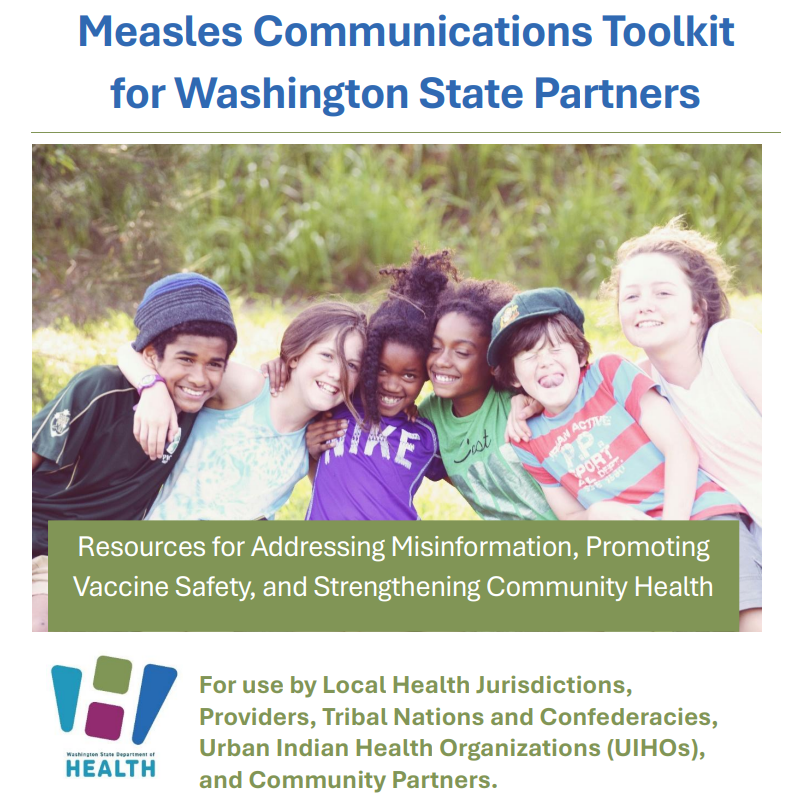
The Measles Communications Toolkit, developed by the Washington State Department of Health's Office of Immunization, is now available to support your efforts in promoting vaccine confidence and preventing measles outbreaks.
Why is this toolkit important?
With measles outbreaks on the rise in 2025, it's crucial that we have a centralized resource to help us communicate effectively about measles, address misinformation, and promote vaccine safety. This toolkit is designed to support local health jurisdictions, providers, Tribal Nations and Confederacies, Urban Indian Health Organizations, and community partners in your efforts to protect public health.
What's inside the toolkit?
The Measles Communications Toolkit is packed with valuable resources, including:
-
Key messages and talking points: Clear, concise language to help you discuss measles with confidence
-
Social media materials: Pre-designed posts and graphics to share with your networks
-
Video and health promotion resources: Engaging content to educate and inform your audiences
-
Trusted partner resources: Reliable sources to support your measles communication efforts
-
And many more resources to help you effectively communicate about measles and promote vaccine confidence
|
|
|
DOH updated the Childhood Immunization Dashboard to include data from 2024, with data files for viewing and download. The dashboard is located on the Immunization Data landing page.
This dashboard shows immunization coverage data for Washington residents aged 19 months to 17 years. Users can explore coverage rates and trends from 2016 through 2024 by vaccination series completion, individual vaccine status, race and ethnicity, and county. The dashboard uses data from the Washington Immunization Information System (WAIIS), the state’s most comprehensive source of medically verified immunization records.
We’d like to hear how you’re using these data to support the health of people in Washingtonian or how we can improve the information we provide. Share your feedback with us at DOH.WTN@doh.wa.gov.
|
|
|
In the March 14 issue, Pediatrics published COVID-19 Vaccination During Pregnancy and Major Structural Birth Defects. The claims-based cohort study concluded that COVID-19 vaccination during early pregnancy is not associated with an increased prevalence of major structural birth defects in infants.
What's Known on This Subject:
COVID-19 vaccination is recommended during pregnancy, with several studies demonstrating its safety, including no elevated risk of adverse maternal and perinatal outcomes. Evidence relating to major structural birth defects among infants born to people vaccinated early in pregnancy is limited.
What This Study Adds:
Major structural birth defects are not elevated among infants born to people vaccinated in the first 20 weeks of pregnancy. Moreover, the prevalence of birth defects is not modified by maternal SARS-CoV-2 infection nor concomitant administration of other maternal vaccines.
|
|
|
DOH's updated guidance document discusses two types of PEP for measles: MMR vaccine or immune globulin (IG). It provides recommended dosing and timing for measles PEP, as well as contraindications and precautions for IG. There’s guidance for public health officials and health care providers to use in reviewing and updating their plan to obtain IG doses when needed for measles PEP.
|
|
|
The CDC announced the rescheduled meeting of the Advisory Committee on Immunization Practices (ACIP). This meeting is open to the public and is available for public comment through April 11, 2025. More information here. View the draft meeting agenda. The meeting is scheduled for:
- April 15 from 8 am to 5:30 pm ET
- April 16 from 8 am to 5:30 pm ET
|
|
|
The Washington State Department of Health, in conjunction with Association of Immunization Managers (AIM), has launched the nomination period for the 2025 Immunization Champion Award!
We look forward to receiving your 2025 Immunization Champion nomination for Washington state by April 28, 2025. Individuals can be recognized for their work in childhood, adolescent, or adult vaccines. Our nomination period will be open from March 28, 2025, to April 28, 2025.
The Immunization Champion Award is a national award hosted by AIM that honors individuals going above and beyond to foster and/or promote immunization in their communities.
Access the nomination form on AIM's website here. Completed nominations should be emailed to Elizabeth Guajardo (OIEngagementPlanning@doh.wa.gov) at the Washington State Department of Health.
Additional information about this award can be found at the AIM Immunization Champion Award web page or on the Centers for Disease Control and Prevention (CDC) website.
|
|
|
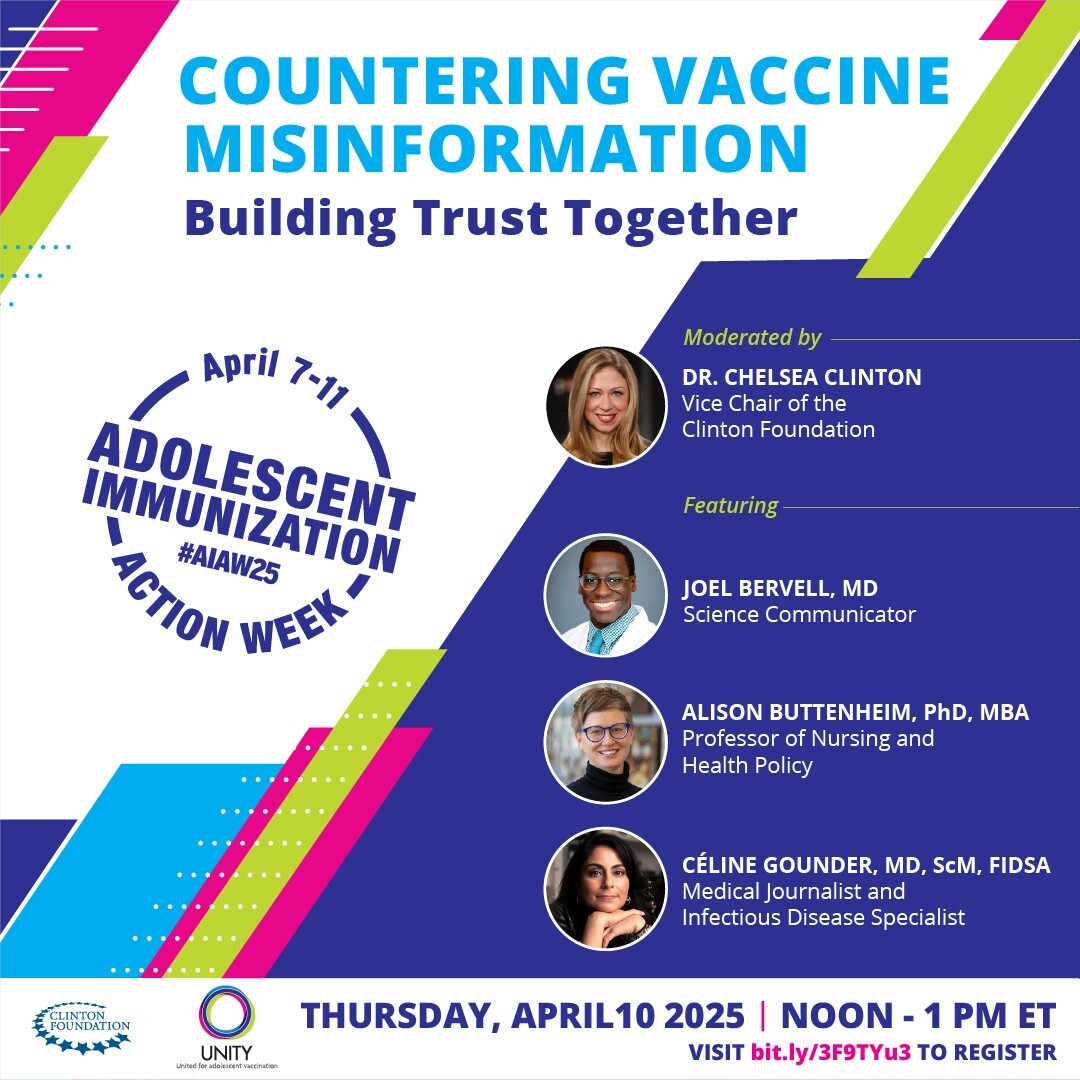
Join Unity Consortium and the Clinton Foundation on April 10, 2025 at 9:00 AM PST to discuss how we can collaborate to make vaccination for adolescents and young adults a social norm. We invite adolescents, young adults, parents, health care professionals, advocates, educators and others to engage in a conversation about trust, misinformation, and vaccination with leading experts.
|
|
|
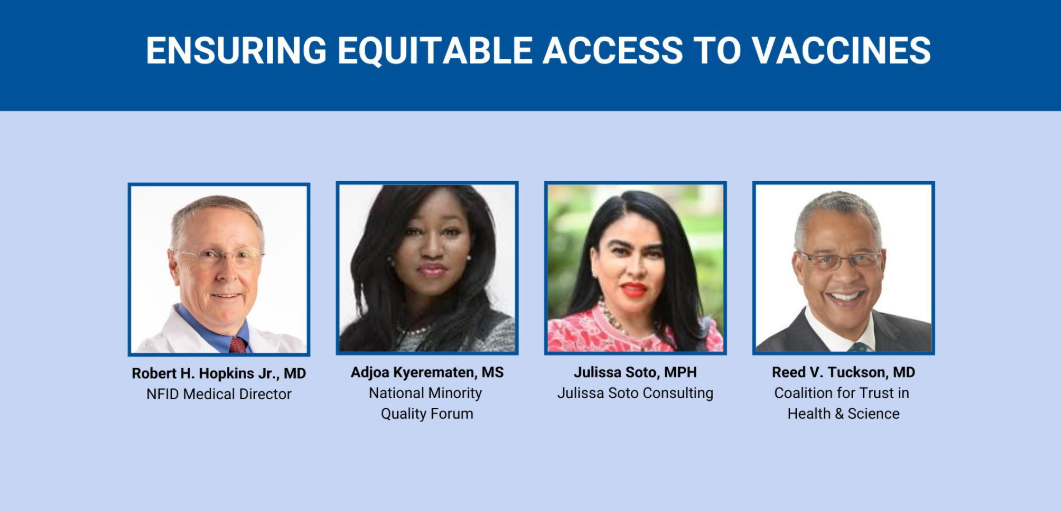
Join the National Foundation for Infectious Diseases (NFID) on April 8, 2025, at 9:00 AM PST, for a discussion addressing vaccine coverage disparities in the US. Speakers will address issues and challenges that impact vaccination rates and strategies to help overcome barriers to vaccine access and uptake in the US. Continuing medical education credit is available for physicians.
At the conclusion of the activity, participants will be able to:
-
Identify issues, barriers, and challenges that impact vaccination rates in the US
-
Evaluate strategies to reduce barriers to equitable vaccine access and uptake in the US
|
|
|
Join the Association of Immunization Managers (AIM) on April 15, 2025, at 11:00 AM for a special webinar opportunity to discuss response strategies in high priority populations. Attendees will hear from speakers with measles outbreak experience who will share examples of tailored outreach efforts and strategies for measles surveillance that instill trust. This webinar will include 40 minutes of speaker presentations followed by a Question-and-Answer session.
|
|
|
|
FOR SCHOOLS AND CHILD CARE FACILITIES
FOR LONG-TERM CARE FACILITIES
|
|
|
|
|
|
|
If you aren't already signed up for Vaccines for Respiratory Illnesses Newsletter, please visit the Department of Health's email subscribers page here. Once you enter your email, on the next page expand the Immunization topic, select Vaccines for Respiratory Illnesses Newsletter, and click submit.
|
|
This newsletter summarizes content beginning the week of March 23, 2025, and was sent out on April 4, 2025. |
|
|
|
|