Looking for a calm, meaningful way for your child to work on summer reading? Join us at the Lorton Campus for:
Paws & Read: A Summer Reading Program with Shelter Pets
• Tuesdays - Thursdays, noon to 2:00 p.m.
• For children ages 6 and up (with a parent or guardian)
Kids are invited to drop in and read quietly near adoptable cats and small animals. It is a peaceful way to build reading confidence while enriching the lives of shelter pets!
No registration needed. This is not a group program—just drop in, sit quietly and read!
Families participating in Fairfax County Public Library’s Summer Reading Adventure can count this as a great reading moment! Learn more about the library’s program here.

Every summer, many animal shelters, including the Fairfax County Animal Shelter, see an uptick in lost pets. Many have bolted in fear during fireworks displays, startled by the sudden noise, lights and vibration. But what exactly is going on in a pet’s brain (and throughout their entire body) during these explosive events? And why do some pets barely flinch while others spiral into panic?
Fear Starts in the Brain
Fireworks fear is not a personality quirk, it is a survival reflex. At the core is the amygdala, the brain’s built-in threat detector. It is the same region that kicks in when, for example, a glass shatters behind you, your body jolts, heart pounds and your brain races to interpret the danger before you’ve even turned around.
A Full-Body Panic Response
For sound-sensitive pets, a firework isn’t just a loud sound, it feels like a threat. Their heart rate spikes. Cortisol and adrenaline flood their system. Muscles tense. These are not conscious decisions; they are automatic responses rooted in biology. And just like a person who tenses at the screech of brakes after a near-miss, some pets carry trauma that makes each new firework feel worse than the last.
Not Just Loud—Unpredictable
And it is not just the volume. Fireworks are a sensory overload: deep booms that vibrate through the ground, piercing whistles that cut through the air and unpredictable crackles and flashes. Pets experience this with far sharper senses than we do. Many can feel the vibrations, hear higher frequencies and see the sudden bursts of light more vividly. With no warning and no escape, it is not celebration. It is chaos.
Cats and Small Pets Hide Their Fear
While dogs may bark, hide or try to escape, a cat might disappear under a bed, a rabbit may freeze or a guinea pig may tremble in its hideout. The behavior may differ, but the internal stress response is just as intense.
The Good News? There is Help.
Understanding what is happening inside our pets helps shift our response from frustration to compassion. These aren’t “bad behaviors”—they are hardwired reactions. Many pets improve with desensitization and counterconditioning, a science-backed process that gently rewires their response to triggers like fireworks. Others may benefit from environmental changes or calming aids, from white noise to prescription support.
Certified behavior professionals and veterinarians can guide pet families through these options with compassion and expertise. Because at the end of the day, a calm pet isn’t just well-behaved, they feel safe. And that’s what truly matters.
Want to learn more about behavior, anxiety and what your dog is really trying to tell you? Join us for our upcoming virtual Lunch & Learn with Dr. Amy Pike, one of fewer than 100 Board Certified Veterinary Behaviorists in the world. Dr. Pike will cover everything from puppy socialization and anxiety to reactivity and medical causes of behavioral change—perfect for dog owners, fosters, shelter staff and anyone looking to build a more compassionate relationship with their pet. This virtual session is scheduled for Wednesday, August 6, noon to 1 p.m.
|
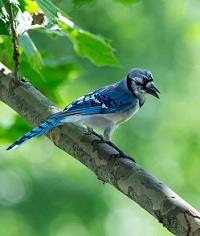
When summer temperatures soar in Fairfax County, it is not just our pets who feel the strain, our wild neighbors do, too. Native birds, squirrels, rabbits, turtles and other wildlife rely on natural shade, clean water and instinctive behaviors to survive extreme heat. But increasingly hot, dry weather and urban development can make it harder for them to stay cool and hydrated.
Take birds, for example. Many species, including robins, cardinals and finches, pant with open beaks to cool down, much like a dog does. You might even spot them holding their wings out from their bodies to release heat, a behavior known as “wing-drooping.” Mammals like squirrels and deer limit activity during peak heat hours, seeking shelter in the shade. Many reptiles bask in the morning but retreat quickly once surfaces become dangerously hot. Snakes, in particular, may switch to more nocturnal activity to hunt while reducing the risk of over-heating.
But when natural water sources dry up or shade becomes limited, wildlife may risk venturing into human-populated areas in search of relief. Our homes often provide places where wildlife seek refuge from the heat, beneath decks, porches, garages, sheds, basements and dense vegetation in yards. The Virginia Department of Wildlife Resources (DWR) notes that heat stress can cause animals to become disoriented or unusually bold, often leading to injury or human conflict. But with a little knowledge and care, we can help—safely.
Clean Water Helps—When Offered Responsibly
Leaving out water for wildlife can be helpful, but communal feeding or watering sites can unintentionally spread disease, especially among birds. Salmonellosis and avian conjunctivitis are just a few of the illnesses that have spread through shared spaces.
To minimize risk:
- Use shallow dishes with rocks or sticks so small animals can safely perch and drink.
- Place dishes in shaded, quiet areas and change water every one to two days.
- Disinfect containers with a 1:9 bleach solution, rinse well and clean regularly.
- Spread out water sources to reduce crowding and limit disease transmission.
- If birds appear sick or die, remove water for two weeks and clean dishes thoroughly.
|

Creating a Cooler Habitat
In addition to water, consider ways to improve your backyard microclimate:
Avoid trimming trees or shrubs during hot months—these offer critical shade and cover.
Choose native plants that support pollinators and create cooling layers. (See photo at right.)
Leave brush or ground cover for shade and shelter.
By taking small, science-informed steps, we can protect the animals who share our neighborhoods, from butterflies and box turtles and foxes.
When to Step In—and Who to Call
If you see a young rabbit lying still in the grass, a sunbathing turtle on pavement or a panting fawn, it’s usually best to observe from a distance. Many animals use stillness and isolation as survival tools. However, if you notice stumbling, visible injuries or an animal in clear distress, call the Fairfax County Animal Protection Police at 703-691-2131. They are trained to assess wildlife emergencies and connect animals with licensed wildlife rehabilitators when appropriate.
Want to learn more about how to help our wild neighbors?
Watch our Lunch & Learn session featuring local wildlife experts, including Dr. Katherine Edwards from Fairfax County Police Department and Dr. Jennifer Riley from Blue Ridge Wildlife Center. You will learn how to respond to wildlife in distress, prevent conflicts and support compassionate coexistence right here in Fairfax County.
|
Helped by Friends of the Fairfax County Animal Shelter: Spotlight on Bailey

Bailey, an 11-year-old pup, came to the shelter when his previous guardian could no longer care for him. Though a bit timid at first, this little dog quickly found comfort in quiet office spaces and cozy beds, always happy to be near staff and to greet other dogs with tail wags.
During his medical evaluation, our team determined that Bailey needed a dental procedure to help him feel more comfortable and ready for adoption. Thanks to the generosity of Friends of the Fairfax County Animal Shelter, Bailey received a fully funded dental cleaning and supportive care, giving him the fresh start he deserved!
Bailey spent time in our Adoption Audition program, where a potential adopter had the chance to get to know him in a calm home environment. He was officially adopted in June and quickly settled into the love and routine of his new home.
Friends of FCAS make stories like Bailey’s possible. By funding essential veterinary services, they help pets like Bailey get the care they need to thrive.
|
Animal Control Services Are Evolving—Without Interruptions
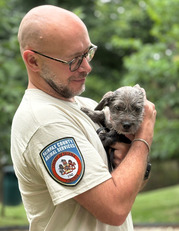
Fairfax County is in the process of transitioning animal control services to the newly named Department of Animal Services (formerly the Department of Animal Sheltering). This change, approved by the Board of Supervisors in 2024, is designed to improve coordination, enhance service and support animal welfare across the county.
Currently, animal control services are provided by the Animal Protection Police, a unit of the Fairfax County Police Department. Over the course of 2025, these services will shift to Animal Services Officers under the Department of Animal Services.
There will be no changes to how you request help and no disruption in service during this transition. We are committed to keeping residents informed and supported every step of the way.
For now, here is what you need to know:
- For animal-related emergencies or assistance, including wildlife, continue to call the non-emergency line at 703-691-2131. (For immediate emergencies, dial 911.)
- Animal Protection Police Officers and Animal Services Officers may both respond to calls, depending on the situation.
- We will continue to share updates as they become available. Please refer to our website for the most current information.
|
Upcoming Events
 |
|
Vaccine and Microchip Clinics
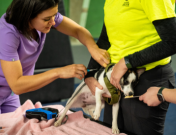
The Fairfax County Animal Shelter offers monthly low-cost vaccination and microchipping services for Fairfax County residents. Clinics are walk-up and there is no pre-registration or appointment required.
Upcoming Clinics:
Friday, July 25, 9 to 11 a.m.
at Fairfax County Animal Shelter - Lorton Campus
8875 Lorton Road, Lorton, VA 22079
Wednesday, August 6, 9 to 11 a.m.
a Fairfax Center Fire Station 40
4621 Legato Road, Fairfax, VA 22030
|
 |
|
New Foster Information Session
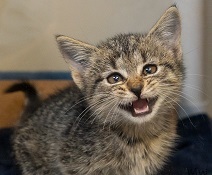
Join us for a Foster Info Session this month and learn how you can make a big difference for animals in need! Whether you're into kittens, puppies, adult dogs, or small animals, there's a foster opportunity for you.
Thursday, July 24, 3 to 4 p.m.
at Fairfax County Animal Shelter - Lorton Campus
8875 Lorton Road, Lorton, VA 22079
|
 |
|
Summer Lunch and Learn Series: Understanding Your Dog's Behavior (Virtual)
Join Reasa Currier, Director of the Fairfax County Department of Animal Services, and Dr. Amy Pike, Board Certified Veterinary Behaviorist and Co-Owner of the Animal Behavior Wellness Center. From puppy socialization to managing fear and reactivity, Dr. Pike will share expert insights to help you better understand your dog’s behavior and build a stronger bond.
Wednesday, August 6, noon to 1 p.m.
|
|