|
|
To our Women Veterans:
This Veterans Month, we want to extend our heartfelt gratitude to each of you who has served, sacrificing so much to protect and defend our freedoms. Your courage and dedication are an inspiration, showing us the strength of those who take on challenges with resilience and pride.
|
|
|
Thank you for your service, for the sacrifices you have made, and for the legacy you continue to build. You have broken barriers and paved the way for future generations of women to serve and lead. We honor your commitment and are grateful for the impact you have made in the uniform and beyond.
With deepest respect and gratitude,
The Eastern Oklahoma VA Women Veterans Program
|
|
It's Squat O'Clock!
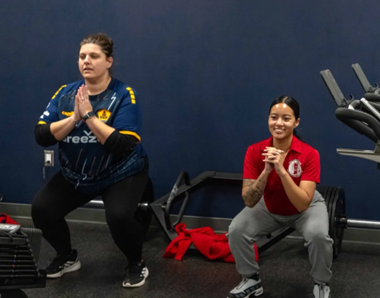
One of the best moves you can do for your health, a Rhode Island FC trainer leads a Veteran through squats as part of a workout supporting the Go Red for Women heart health initiative.
Physical activity plays a critical role in preventing heart disease, so VA Providence Healthcare System partnered with the Rhode Island FC professional soccer team to offer women Veterans an interactive, movement-centered experience rooted in motivation and connection.
Movement is for everyone
As part of the Go Red for Women heart health initiative, women Veterans attended a training session alongside Rhode Island FC players, stepping onto the field to experience how regular movement supports cardiovascular health.
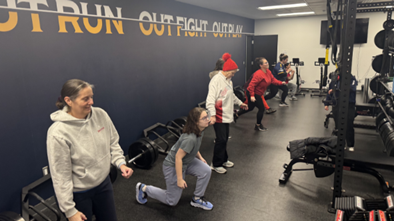
Women Veterans participate in a guided strength training session during VA Providence’s Go Red for Women heart health event with Rhode Island FC pro soccer players.
The session emphasized that heart health can be achieved with consistent, achievable activity tailored to each person, and can even be fun.
Training alongside the professional athletes, participants experienced encouragement in an energizing environment that reinforced confidence and capability. The session helped the Veterans see physical activity as something that can fit into everyday life.
Partnership provides a path
The partnership with Rhode Island FC helped break down the barriers that can be associated with fitness. The Veterans were encouraged to ask questions, move at their own pace and engage without pressure.
Story by Justyn Charon, Marine Corps Veteran and public affairs specialist for the VA Providence Healthcare System.
|
|
 Are you a woman Veteran battling migraines?
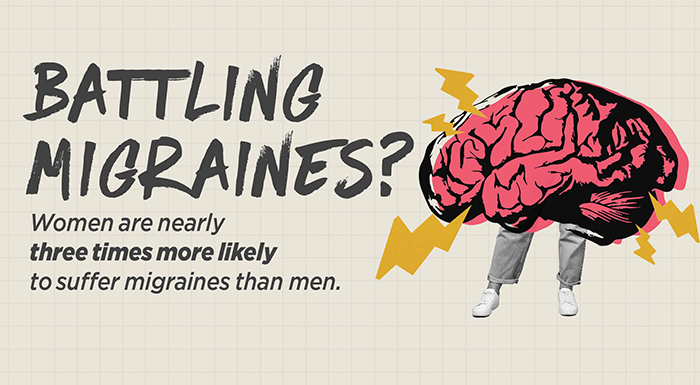
Women Veterans are three times more likely to experience migraines than men.
Migraines are not just regular headaches—they can disrupt your entire day. Everyday triggers such as stress, light, noise, smells, disrupted routines, and lifestyle habits can make them worse. So can prior military experiences and hormone changes. It’s crucial to recognize the symptoms, know your triggers, and get the support you need.
Understanding Migraines
Migraines are intense, throbbing head pains that can hit any time, lasting from hours to days. Women tend to experience migraines more frequently and intensely than men, with symptoms including:
- Sharp, intense head pain
- Nausea and vomiting
- Sensitivity to light, sound, and smells
- Fogginess
- Visual changes
Red Flags: Some symptoms are a warning sign of something more serious. If you experience any of the following, head to the ER right away:
- A headache that starts suddenly and escalates within 1-2 minutes
- Weakness, numbness, or trouble speaking
- A level of pain you’ve never felt before
Know Your Triggers
Migraines are especially common in women of childbearing age. Hormonal changes—such as periods, menopause, birth control, or pregnancy—can trigger attacks, along with everyday factors like light, noise, smells, weather, disrupted routines, and lifestyle habits. Add your prior military experience, and you’ve got a perfect storm for more frequent migraines.
Tracking your migraines (including when they happen, how long they last, and symptoms) will help you and your VA health care team create a solid treatment plan. Don’t forget to note your family history and any medications you are taking.
Get Support from VA
Don’t let another migraine throw off your day. If migraines are impacting your life, reach out to VA for support. Together, you and your provider can create a treatment plan to manage your pain and reduce future attacks.
VA offers a full range of services to treat disabling and chronic pain, including medications, injections, acupuncture, and other non-drug therapies like occupational and physical therapy, biofeedback,
massage, mindfulness, and cognitive behavioral therapy. Our Whole Health approach also addresses stress, sleep, nutrition, and exercise to manage triggers that contribute to your migraines.
Visit VA Women Veterans Health Care to learn more or call the Women Veterans Call Center (1-855-VA-WOMEN) to speak to a real person who can help you enroll, schedule an appointment, and connect you to care you can trust.
|
|
 The Million Veteran Program (MVP), VA’s largest research effort, is inviting more than 1 million Veterans to help us understand how genes, lifestyle, military experiences, and exposures affect your health and wellness.
|
|
|
Skin Cancer
According to the Centers for Disease Control and Prevention (CDC), skin cancer* is the leading form of cancer in the United States.
The skin is the body's largest organ and has several layers, each with different types of cells that may lead to different types of skin cancers. The two most common types of skin cancer are basal cell and squamous cell cancers. Melanoma is the most serious type of skin cancer but is far less common.
Basal and squamous cell cancers can usually be cured, but they often lead to scarring. Melanoma causes the most skin cancer deaths, as it can spread to other parts of the body including the internal organs.
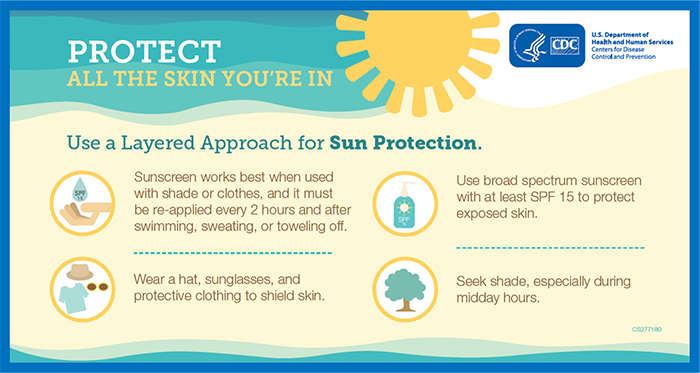
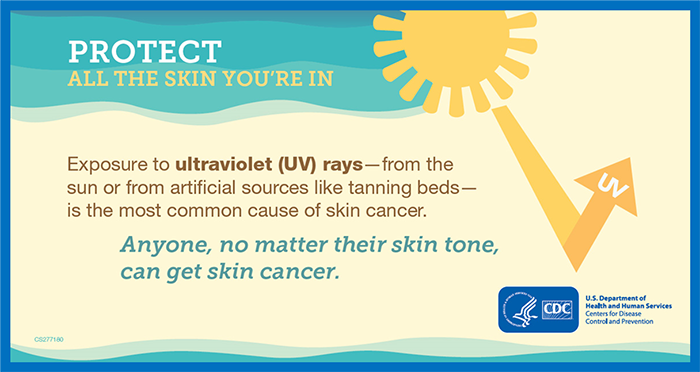
Most cases of skin cancer are caused by overexposure to ultraviolet (UV) rays from the sun, tanning beds, or sunlamps. Veterans may be at higher risk for skin cancers† depending on their level of exposure to the sun and their role in the military.
 What services does VA provide for skin cancer?
VA provides skin cancer care on site or through a health care facility in the community. Your VA primary care provider can examine your skin as a part of your routine health care and can refer you to specialty care with a dermatologist when needed. If caught early, skin cancers can be treated successfully. Your provider can check for lesions with warning signs of melanoma and other skin conditions such as:
-
Asymmetry: One half of the mole looks different from the other
-
Border: Irregular or scalloped border
-
Color: Multiple colors such as reds, light browns, and very dark areas
-
Diameter: Greater than 6 mm (size of a pencil eraser)
-
Evolving: Any mole that is changing in size, shape, or color
 How do I access services for skin cancer at VA?
If you have a VA primary care provider, let them know about any concerns you have with your skin, or if you want to get your skin checked.
|
|
 You can report harassment here:
Women Veterans Program Manager
Michele Reeves, RN, WVPM
918-577-4277
918-869-3934
Reducing Gender-based Harassment in VA Facilities
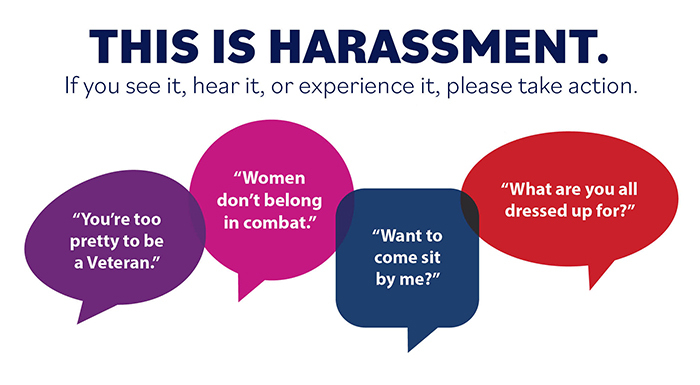
This year, VA continues to expand on anti-harassment efforts so everyone who enters a VA facility can identify harassment when they see it, hear it, or experience it. Women Veterans have faced different kinds of harassment including gender-based harassment (harassment tied to one’s gender). Examples include:
- Questioning their Veteran status or assuming they are a dependent or caretaker
- Belittling remarks about your gender or gender identity
- Calling “Mister” or “Sir” inadvertently or on purpose
- Making sexist remarks, like “you don’t look like you belong here” or “women shouldn’t serve in combat”
- Telling to smile or come sit by you, or that they are too pretty to be a Veteran
- Calling an unwelcome or unwanted name like baby, honey, or sweetheart
- Catcalling or whistling, staring, leering, or ogling
- Asking personal questions such as, “Are you single?” or “You got a man?”
- Commenting on your body, clothing, or the way you look, even if it is meant to be a compliment, such as “You’re so pretty”
- Taking an unauthorized photo (i.e., with a smartphone), or approaching and asking to take a picture
- Following or cornering
We are working to make VA a more comfortable and welcoming place for women to receive health care services, from the moment they arrive in the parking lot, to the time they spend in the waiting room, to the interactions they have with other Veteran patients and VA providers and staff. VA acknowledges that most people do not harass others, and sometimes providers and staff also experience harassment. To learn more about what you can do to help stop harassment, take the Bystander Intervention Training or read up on Bystander Intervention Techniques.
If you see, hear, or experience harassment, please report it. Tell VA police, security, facility leadership, a Patient Advocate, a Women Veteran Program Manager, or call or text the Women Veteran’s Call Center (1-855-829-6636). We are listening and taking action. Read more about our harassment policy here.
|
|
Peach Berry Crisp
Ingredients
- 4 peaches, peeled and sliced
- 1 cup blueberries
- 1 teaspoon lemon juice
- 2 tablespoons granulated sugar
- 1 teaspoon ground ginger
- 2 tablespoons walnuts, finely chopped
- 1/4 cup quick oats
- 1/4 cup flour
- 1/2 cup brown sugar, lightly packed
- 1 tablespoon unsalted butter
Directions
Arrange fruit in 8-inch baking dish. Sprinkle with lemon juice, sugar, and ginger.
In a medium bowl, measure dry ingredients and cut in margarine until crumbly. Spread over fruit in baking dish, lifting fruit gently so crumbs coat evenly.
Bake at 375°F for about 30 minutes or until fruit bubbles and topping is browned. Cool slightly.
Serves 4.
Each serving contains approximately 300 calories, 62 g carbohydrates, 3 g protein, 6 g fat, 8 mg sodium, and 4 g fiber.
Skillet Zucchini and Tomatoes
Ingredients
- 1 tsp whipped light butter or olive oil (for vegetarian)
- 1 cup chopped onion
- 4 small zucchinis (each 6 inches or 15 centimeters long), thinly sliced
- 2 medium tomatoes, chopped
- Freshly ground pepper
Directions
In a large nonstick skillet, melt butter over medium heat; add onions and cook, stirring until softened. Add zucchini and cook for 2 minutes. Add tomatoes and cook for 3 to 5 minutes or until zucchini is tender-crisp. Season to taste with pepper.
Each serving contains about 50 calories, 1 g fat (Saturated fat 1 g), 0 mg cholesterol, 20 mg sodium, 11 g total carbohydrates, 3 g dietary fiber, 5 g sugars, 2 g protein.
|
|
Schedule Your Gynecology Appointment Today
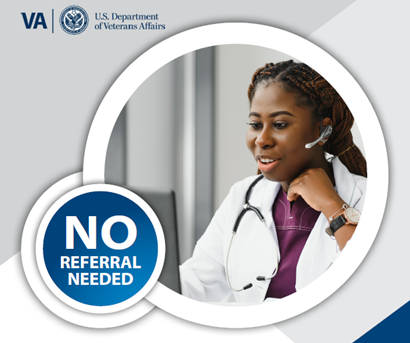
Enrolled Women Veterans can now schedule VA gynecology appointments without needing a referral from primary care.
Call 918-577-3000 to schedule a gynecology appointment or for more information.
*Veterans may be charged copayments for VA gynecology care for conditions not related to their military service, depending on their service-connected disability rating and income.
|
|
 Schedule Your Radiology Exams Today
-
Call the main facility phone line: 918-577-3000
-
Choose option 2 to make, change, or cancel an appointment.
-
Choose option 5 for Radiology.
|
|
 Maternity Care Coordinators will help you navigate and access maternity care within and outside VA
Pregnant women Veterans: Every VA facility has a Maternity Care Coordinator ready to support you, provide health screenings, and ensure you have access to needed education, resources, and supplies throughout your pregnancy and the year afterward. Maternity Care Coordinators understand the unique needs of women Veterans, and having one at your side means you’ve got an advocate to ensure you and your baby receive the best care.
What is a Maternity Care Coordinator?
For pregnant Veterans choosing to use VA Maternity Care benefits, a Maternity Care Coordinator is a member of your VA health care team who specializes in helping you navigate your maternity care. Maternity Care Coordinators are uniquely trained to support you. They have a deep understanding of both Veteran needs and maternal care, ensuring you receive trusted, specialized health support.
The Support You Need
Your Maternity Care Coordinator will contact you every trimester of pregnancy, after delivery, and quarterly in the year after delivery. During these eight calls, your Maternity Care Coordinator will make sure you get the care you need by helping you:
- Navigate health care services both inside and outside of VA
- Access care for your other social, physical, and mental health needs
- Connect to community resources
- Learn more about maternity and newborn care and provide educational materials
- Obtain supplies like nursing bras, breast pumps, maternity belts, and more
- Answer questions about benefits and billing
- Coordinate follow up care after delivery
Regular calls with your Maternity Care Coordinator ensure essential health screenings are completed and follow-up for medical conditions (such as gestational diabetes and high blood pressure) is coordinated. Your Maternity Care Coordinator will also discuss risk factors, birth spacing, family planning options, and baby safety, provide educational resources, and refer you for additional care as needed.
How to Get Started
Whether it’s your first pregnancy or you’re adding to your family, your Maternity Care Coordinator is in your corner, ready to provide guidance, resources, and compassionate care. You don’t have to navigate the system alone—VA is here for you and your growing family.
Contact your VA health care provider or your local Women Veterans Program Manager to connect with your Maternity Care Coordinator. We are here to ensure you have the support and resources you need. Learn more by visiting the VA Women’s Health Maternity Care page.
|
|
|
Come to our New Veteran Orientation Held Monthly at Ernest Childers Outpatient Clinic in Tulsa.
Are you new to VA health care? Are you a current VA patient, but want to learn more about what services and benefits VA has to offer and how to obtain them?
Join Us For New Veteran Orientation
When: The 2nd Thursday of every month
Where: Ernest Childers VA Clinic 8921 S. Mingo Rd. Tulsa, OK 74113 2nd floor, Rooms 2008 - 2010 (across from optometry)
Time: 1:00 p.m.
Open to all Veterans, family members, caregivers, and community partners.
- Meet representatives from various departments within the VA
- Learn about the processes for getting things done at the VA
- Learn about and sign up for My HealtheVet
- Question and answer session
|
|
 Check out our back-issues for more Women Veterans resources and popular topics.
|
|
|
|
|