|
February 6, 2026
Show your support for women heart disease awareness by wearing red!
|
|
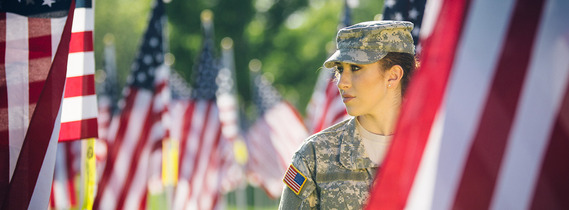 Many different factors, such as diet, exercise, smoking, and family history may affect your heart health
Conditions like high blood pressure, high cholesterol, and diabetes increase your risk for heart disease.
As a woman Veteran, you may have unique factors related to your military service that can increase your risk of heart disease. Heart disease is the primary cause of death in women (and men) in the United States, and Veterans are no exception. After being separated from the military for 2-5 years, a woman's risk for developing heart disease increases. In addition to the traditional risk factors such high blood pressure and diabetes, mental health concerns such as PTSD and depression, and experiences of trauma including military sexual trauma, can contribute to your risk.
The symptoms of a heart attack can be different in women versus men. Heart attack signs for women can be subtle and sometimes confusing. Like men, the most common heart attack symptom for women is chest pain or discomfort. However, women may also experience other heart attack symptoms such as:
- Arrhythmia (irregular heartbeat)
- Pressure, squeezing, or pain in chest
- Cold sweat
- Extreme fatigue
- Shortness of breath
- Pain in the jaw, arm, hand, shoulder, or back
- Dizziness or fainting
- Vomiting or nausea
- If you are experiencing any of the symptoms of a heart attack, call 911
Heart disease and stroke are related cardiovascular conditions often caused by similar health issues. A stroke happens when blood flow to the brain is blocked or when a blood vessel bursts, depriving the brain of oxygen and causing cell damage. This can lead to disability or death.
What services does VA provide for heart health?
VA offers a variety of services to promote your heart health, including diagnosing and treating heart disease as well as life-long risk reduction. Your VA primary care provider will assess your risks and help you get started on a heart health plan. The best way to prevent heart disease is through lifestyle changes such as:
- Maintaining a healthy, balanced diet
- Striving for a healthy weight
- Completing around 3 hours of exercise per week
- Keeping conditions like diabetes and high blood pressure well-controlled
- Managing your stress levels and practicing self-care
- Aiming to get 7-8 hours of sleep every night
- Avoiding smoking and excessive alcohol intake
If focusing on all these factors is too much, choose a few of them to take action on. Focusing on a few of these is still beneficial to your heart health. If you need tests or treatment for heart disease, appointments and services will be coordinated through your VA primary care provider. All Veterans who are enrolled in VA health care are eligible for cardiovascular (heart) risk assessments, prevention services, and treatment. Talk to your VA primary care provider about tools available to prevent and manage heart disease.
The symptoms of a heart attack can be different in women versus men. Heart attack signs for women can be subtle and sometimes confusing. Like men, the most common heart attack symptom for women is chest pain or discomfort. However, women may also experience other heart attack symptoms such as:
- Arrythmia (irregular heartbeat)
- Pressure, squeezing, or pain in chest
- Cold sweat
- Extreme fatigue
- Shortness of breath
- Pain in the jaw, arm, hand, shoulder, or back
- Dizziness or fainting
- Vomiting or nausea
If you have symptoms of heart disease, or you are already diagnosed with a condition such as angina, heart attack, or heart failure, VA has resources for evaluation and treatment, including:
- Echocardiogram (EKG or ECG)
- Stress testing
- Cardiology clinics
- Cardiac catheterization and more
How do I access services for heart health at VA?
The first step to access heart health services at VA is to set up an appointment with your VA primary care provider. They will work with you to assess your needs and come up with a plan that is best for you. They can provide referrals to cardiology (heart specialists) if needed.
If you don't already use VA health care, you may want to use the following online tools:
Where can I find more information, help, and resources on heart health?
|
|
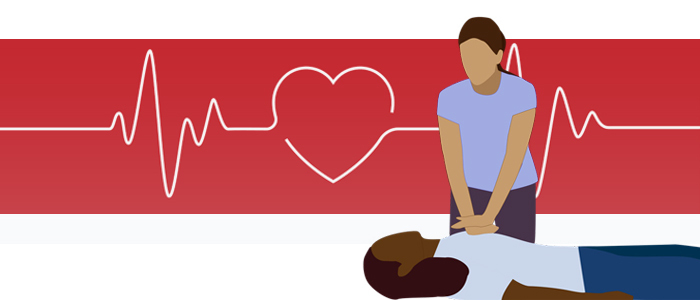 You Do Not Need to be Certified to Perform
Life-Saving Hands-Only CPR
 |
|
Call 911
Put your phone on speaker and start compressions.
|
 |
|
Push hard and fast in the center of the chest
100-120 compressions per minute.
|
 |
|
Continue CPR until professional help arrives
Or an automated external defibrillator (AED) is available.
|
Did you know? Women receive bystander CPR less often than men.
Be Ready. Learn Hands-Only CPR
in Less Than Two Minutes
|
|
 The Department of Veterans Affairs today announced that women Veterans can now schedule appointments directly with VA gynecology providers without a referral from a primary care provider.
The new, streamlined process takes effect today and eliminates the previous requirement for a PCP referral to access VA gynecology care. Instead, enrolled women Veterans can schedule an appointment directly with a VA gynecology specialist if they choose.
The change will better serve the more than 1 million women Veterans who are enrolled in VA health care.
“This is what it looks like when VA is focused on putting Veterans first,” said VA Secretary Doug Collins. “By relentlessly focusing on customer service and convenience, we are building a department that works better for the men and women we are charged with serving."
To access Gynecology Self Referral, please call your local call center or the Women Veterans Call Center at 855-VA-Women (855-829-6636)
|
|
 In the New Year
It’s easy to leave the doctor’s office and immediately feel a sense of regret. Have you ever left an appointment, only to later realize you forgot to mention a certain health condition, or a new medication that you wanted to discuss? This is common.
When you’re sitting in an exam room, often feeling rushed or nervous, it’s easy for your carefully prepared mental list of questions to vanish.
The environment of a medical appointment—often referred to as the “white coat effect”—creates pressure. Appointments are timed, doctors are efficient, and your attention is naturally focused on the interaction and the results being shared with you. Relying solely on memory is risky, but a simple written list puts you back in control of the conversation.
One rule of thumb, before your visit, is to list your top three concerns and goals.
It’s also helpful to follow these tips:
- Start early and keep it handy: Don’t wait until the night before. Start your list the moment you book the appointment. Use a dedicated space—a small notebook, a note-taking app on your phone, or a piece of paper taped to your refrigerator. This allows you to add items as they occur to you over days or weeks.
- Be specific, not vague: When writing down a symptom or concern, include the Who, What, When and Where details. Vague: ”I have chest pain.” Specific: ”Chest Pain: A sharp pressure, happens only when I climb stairs, lasts about 30 seconds, and goes away when I rest.” The more specific you are, the faster your doctor can narrow down a diagnosis.
- Prioritize your concerns: Put your two or three most critical, urgent or worrisome items at the very top. This ensures that even if the appointment runs short, the most important topics are addressed first. You can let the doctor know, “I have four things I want to discuss, starting with the pain in my knee.”
- Include medication details: If you have questions about side effects, dosage or interactions with supplements, write down the exact names and doses of every drug or vitamin in question.
A prepared list transforms your doctor’s visit from a passive conversation into a focused, collaborative discussion. It demonstrates that you are an engaged partner in your own health care.
It’s never too late to apply for VA health care you’ve earned. If you are a Veteran or know a Veteran who has not yet applied for their VA health care benefits, learn how to get started.
This article was originally published on VA News and has been edited for style and clarity.
|
|
 February: Navy Veteran Jalesa Heneke
This month’s Center for Women Veterans Book Corner author is Navy Veteran Jalesa Heneke, who served as a Cryptologic Technician from 2014-2019. She wrote “When the Miracle Doesn’t Happen,” a book detailing the last year of her mother’s life and the grief journey that followed her mother’s passing. Heneke was born and raised in Memphis, TN, and after graduating from Middle Tennessee State University with a degree in Mass Communications, she enlisted in the Navy. It was in her last year of service that her mother was diagnosed with cancer, while Heneke was navigating a tough transition out of the military.
Can you share a brief background of your military experience, including your branch of service, years served and any notable positions or deployments?
I served a total of five years in the U.S. Navy. I separated as a Petty Officer Second Class. My duty station was at Ft. Meade working at NSA. It was a rewarding experience working in a joint command with all branches and government civilians. I had the honor of being named Junior Sailor of the Quarter for my command and received the Joint Service Commendation Medal at the end of my service.
What inspired you to write a book and share your story as a woman Veteran?
My work as a Sexual Assault Victim Advocate was pivotal in my career. I implemented evidence-based practices to improve prevention and response services for survivors of sexual assault. This role was more than a job—it was a calling that ignited my passion for social work. It taught me the importance of empathy, understanding and the need for dedicated support systems for those who have suffered trauma.
What inspired you to write a book and share your story as a woman Veteran?
During my recovery journey, I realized the lack of specific resources for women Veterans who experienced interpersonal violence. There were therapies and programs, but nothing like a trauma-informed journal. So, I decided to create something that wasn’t just a resource but a companion for others on similar paths. This journal reflects my journey, and while every story is unique, I hope it can be a tool for empowerment and healing for others.
How has your military background influenced your writing style and the themes you explore in your work?
My time in the Navy was filled with extraordinary moments, but it also exposed me to some of the institution’s challenges. These experiences fueled my passion for helping service members and their families. Separating honorably at 10 years to pursue social work full-time, I began writing self-help empowerment journals. Writing became a way to share my insights and support others, even as I continue to process my own story.
How do you hope your book will impact other women Veterans, active duty service members and the general public?
“Warrior’s Path to Healing” is more than just a journal—it’s a series intended to offer a safe space for healing at one’s own pace. The first journal is specifically for women Veterans, but the series will expand to include others affected by interpersonal violence. My daughter and I are also working on a journal for young people who have had to grow up too fast. I hope these journals remind us of our inner strength and capacity for greatness, encouraging self-exploration and a positive outlook on life.
What role do you think storytelling and literature play in fostering understanding and support for the women Veteran’s community?
Storytelling is a powerful tool for understanding the unique experiences of women Veterans. It’s not just about sharing stories—it’s about advocacy, recognition and standing up for what we believe in. Through storytelling, we can share the ‘why’ and ‘how’ of our service, bringing to light the challenges and triumphs unique to women in the military.
|
|
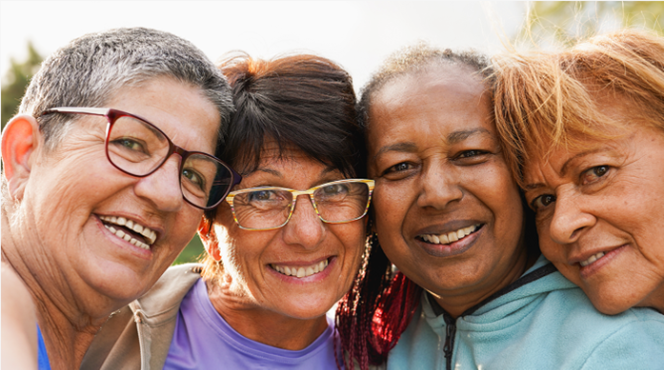 What you can do today for a stronger tomorrow!
As we get older, our bodies change, and so do our health needs. For women Veterans, staying healthy through the years means more than just going to the doctor when something feels off. It means taking steps now to protect your body, mind and quality of life for years to come.
September is Healthy Aging Month, a perfect time to check in with yourself and your VA health care team about ways to stay strong, active and independent as you age.
Here are key areas to focus on and how VA supports you along the way.
Strong bones, strong body
Bone loss is much more common in women as they age, especially after menopause. You might not feel it happening, but it can lead to serious problems like osteoporosis or fractures. Weight-bearing activities like walking or lifting light weights help keep bones strong. VA can also check your bone density and help you get enough calcium and vitamin D.
What to do:
- Add a simple weight-bearing exercise to your routine, such as walking or hiking.
- Talk with your provider about your calcium and vitamin D intake.
- Ask if a bone density test is right for you, especially once you are 65.
Mammograms save lives
Breast cancer is still the second most diagnosed cancer among American women. Regular mammograms help find breast cancer early, when it’s easier to treat.
What to do:
- Speak with your VA health care provider about your risks and determine if a mammogram is right for you.
- Average risk women should start getting mammograms at age 40.
- Schedule your mammogram through VA if you’re due.
Gynecology care still matters
Even if you’re not having children or are past menopause, routine cervical cancer screening is still important.
What to do:
- Discuss your screening history and risk factors with your health care provider to determine the appropriate screening schedule for you.
- Most average risk women should start cervical cancer screening at age 21.
- Discuss any changes or symptoms with your provider.
- Schedule a pelvic exam or Pap test through VA.
Maintaining your mental health
Your mental and emotional well-being matter. Aging can bring big life changes—retirement, caregiving, loss—and they can affect your mood and stress levels. VA offers mental health support to help you navigate these changes.
What to do:
Planning for memory and brain health
Forgetfulness can be normal, but memory loss that affects your daily life isn’t. VA offers care for memory and brain health, including dementia services and caregiver support.
What to do:
- Talk to your provider if you or loved ones notice memory changes.
- Ask your VA health care provider about cognitive health screenings.
- Prepare legal and financial documents, including picking a person to manage your VA benefits if you are no longer able.
Navigating menopause
Menopause can bring hot flashes, sleep problems, mood shifts and changes in bladder or vaginal health. You don’t have to just “live with it.” VA has treatments and supports to help you feel like yourself again.
What to do:
- Talk about symptoms like dryness, pain, or sleep changes.
- Ask your provider about options for managing menopause.
Bladder, kidney and pelvic health
Bladder leaks, pelvic pain or vaginal changes aren’t just part of getting older. These are treatable issues, and you deserve care that helps you feel comfortable and confident.
What to do:
- Discuss any symptoms with your VA provider.
- Based on their recommendation, you may need to schedule an appointment for pelvic health physical therapy or urology.
Staying active for long-term health
Excess weight can increase your risk for serious health conditions like heart disease, diabetes, joint problems and certain cancers, including breast and endometrial cancer, which are more common in women. Managing your weight and staying active helps protect your long-term health.
What to do:
- Adopt a healthy lifestyle, meet your health goals and manage your weight with VA’s MOVE! Weight Management Program. Even a small amount of weight loss, just 5% to 10% of your current weight, can lead to meaningful improvements in your blood pressure, cholesterol, blood sugar levels and mobility.
- Schedule an appointment with a VA dietitian nutritionist to develop a personalized nutrition plan.
- Learn how to cook healthy meals through VA’s Healthy Teaching Kitchen program.
The bottom line: Aging well is a team effort
Aging doesn’t mean slowing down. It means being aware, staying active and speaking up about what you need. VA is here to support your whole health—body and mind—every step of the way.
Take action today
Call the Women Veterans Call Center if you have questions or would like assistance. 1-855-VA-WOMEN (1-855-829-6636).
|
|
 Built by Veterans for Veterans, the Veterans First platform provides access to a wide variety of live health and wellness classes for all who wish for a healthier and happier lifestyle. Virtual classes are available for all fitness levels. Take classes from work or from the comfort of your home.
Yoga
Yoga is a mind and body practice with origins in ancient Indian philosophy. The various styles of yoga typically combine physical postures, breathing techniques, and meditation or relaxation.
Tai Chi
Tai Chi is a mind-body exercise combining slow-flowing intentional movements with breathing, awareness, and visualization.
Rooted in the Asian traditions of martial arts, Chinese medicine and philosophy, Tai chi enhances relaxation, vitality, focus, posture,
balance, strength, flexibility, and mood.
Qigong
Qigong is an ancient Chinese healing art, older than, and similar to tai chi, with a focus on cultivating the body’s vital energy or qi. It
involves the coordination of the breath, posture, awareness, visualization and focused movements. Qigong may be a stationary or moving meditation.
 Available Classes
- Health & Wellness
- Yoga & Mindful Movement
- Tai Chi & Qigong
- Meditation & Guided Rest
Reported Benefits
- Improved Sleep, Heart Health, Focus
- Reduced Stress, Chronic Pain, Inflammation
- Decreased Anxiety, Depression, Chronic Fatigue
- Migraine Relief
Whole Health is VA’s approach to care that supports your health and well-being. It focuses on self-care, skill building and support.
Your Whole Health Team is pleased to support your journey to well-being.
|
|
 Women Veterans Menopause Treatment Clinic
Eastern Oklahoma VA is excited to announce that we now offer a menopause clinic to help those with various perimenopause, menopause, and post menopausal symptoms.
Are you having symptoms of perimenopause or menopause?
Dr. Gary Sweet, Women's Reproductive & Mental Health Clinical Pharmacy Practitioner will be seeing Women Veterans on Wednesdays and Fridays. Appointments are available face to face at Ernest Childers Clinic or virtually via VVC appointments.
The clinic will focus on management of all aspects of menopause, including medication, education, osteoporosis prevention, and management of B12, Vitamin D and stress.
If you're interested in an appointment, please contact your PCP and ask them to submit "Menopause Consult".
Women Veterans Pelvic Floor Rehabilitation Clinic
Eastern Oklahoma VA now has a Pelvic floor Physical Therapy clinic on Thursdays in Muskogee. New state of the art pelvic floor Ultrasound equipment has been purchased and we are excited to offer this service to our Women Veterans as non surgical alternative to treat urinary incontinence. Ask your PCP if this service could be right for you!
Are you having symptoms of a weakened pelvic floor or urinary incontinence?
Ashley Sells, PT, DPT will be seeing Women Veterans in the new pelvic floor rehab clinic. This clinic will be on Thursdays in Muskogee.
The clinic will focus on management of pelvic floor issues, especially urinary incontinence.
If you're interested in an appointment, please contact your PCP and ask them to submit "Pelvic Floor Physical Therapy Consult".
|
|
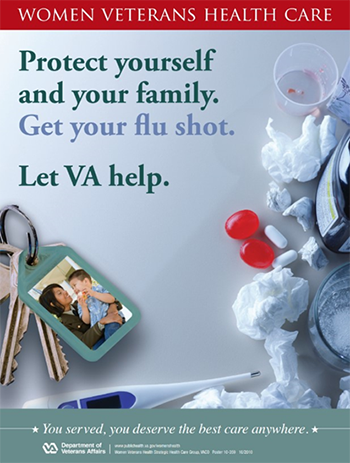
Get your flu shot. Let VA help.
|
|
Chicken and mushroom pasta
Ingredients:
- 2 ⅔ cups rigatoni pasta (or other tube-shaped pasta)
- 2 tbsp olive oil, divided
- ¼ tsp salt
- ¼ tsp ground black pepper
- 12 ounces skinless, boneless chicken breast, cut into bite-sized pieces
- 3 cloves garlic, smashed and minced
- 3 cups white button mushrooms, sliced
- 1 medium onion, thinly sliced
- ½ cup low-sodium chicken broth
- ¼ cup dry white wine (or chicken broth)
- 1 cup tomatoes, chopped
- ¼ cup fresh basil, shredded
- 1 tbsp dried oregano
- ¼ cup shredded Parmesan cheese
Directions:
Cook pasta according to package directions, drain, and set aside.
Heat 1 tablespoon of the olive oil in a skillet over medium-high heat. Sprinkle the salt and 1/8 teaspoon of the black pepper on the chicken, then cook for 5 minutes or until center of chicken is no longer pink. Remove chicken from skillet and keep warm.
Add remainder of the olive oil to skillet, along with the garlic, mushrooms, and onions. Stir-fry until onions are just tender.
Makes 6 servings:
Each serving provides about 294 calories, 7 g total fat, 2 g saturated fat, 36 mg cholesterol, 225 mg sodium, 33 g total carbohydrate, 2 g dietary fiber, 0 g sugars, and 22 g protein.
Southwestern Tex-Mex chicken noodle soup
Ingredients:
- 4 cups homemade or low-sodium chicken broth
- ½ cup chopped onion
- 1 tsp. minced garlic
- 2 cups cooked, cubed chicken
- 1 15-ounce can (about 1-1/2 cups) low-sodium corn kernels, rinsed
- 1 15-ounce can black beans, rinsed
- 1 15-ounce can diced tomatoes with chilies
- 4 cups cooked whole wheat noodles or chunky pasta
- 1 cup fresh cilantro, chopped
- 4 slices of lime for garnish
Directions:
Put chicken broth into a large soup pot and add onion and garlic. Cook over medium-high heat for about 5 minutes, then add chicken. Add, corn, beans, and tomatoes. Heat to boiling, then turn off heat.
Makes 4 hearty servings:
Each serving contains about 521 calories, 8 g fat (4 g saturated fat, no trans fat), 53 mg cholesterol, 683 mg sodium, 77 g carbohydrate, 9 g dietary fiber, 8 g sugars, and 38 g protein.
|
|
 Suicide is Preventable and Support is Available
Suicide has no single cause and no one approach can end it—but prevention is possible, especially when women Veterans find support before a crisis happens.
Women Veterans may have unique experiences related to military service, health and wellbeing, or trauma that can increase the risk of suicide. Some also face medical and social issues that affect relationships and quality of life. Military service can lead to readjustment issues, posttraumatic stress disorder (PTSD), trouble sleeping, or even physical injury. Additionally, reproductive health conditions that women Veterans sometimes face may take a toll on their mental health.
VA is committed to offering a growing range of resources and a network of support for all women Veterans, including those who do not, and may never, seek care within the VA health care system. Whether it's mental health care or treatment for chronic pain or other health concerns, VA can provide personalized, gender-tailored care to help women Veterans. Each VA medical center also has a Suicide Prevention Coordinator to connect women Veterans to counseling and services.
Additionally, creating a safety plan now, by identifying coping strategies and sources of support, can help give suicidal thoughts time to decrease and become more manageable in a future crisis. Download the VA Safety Plan app or create one together with your VA health care team.
The Veterans Crisis Line is free, confidential, and available 24/7. You don't have to be enrolled in VA benefits or health care to connect. Veterans, family, and friends can reach out. Dial 988 and press 1, text 828255, or chat online. Visit the VA Women’s Health suicide prevention page for more resources.
Call 1-855-VA-WOMEN (1-855-829-6636) to speak to a real person and connect to VA women’s health care.
|
|
|
Come to our New Veteran Orientation Held Monthly at Ernest Childers Outpatient Clinic in Tulsa.
Are you new to VA health care? Are you a current VA patient, but want to learn more about what services and benefits VA has to offer and how to obtain them?
Join Us For New Veteran Orientation
When: The 2nd Thursday of every month
Where: Ernest Childers VA Clinic 8921 S. Mingo Rd. Tulsa, OK 74113 2nd floor, Rooms 2008 - 2010 (across from optometry)
Time: 1:00 p.m.
Open to all Veterans, family members, caregivers, and community partners.
- Meet representatives from various departments within the VA
- Learn about the processes for getting things done at the VA
- Learn about and sign up for My HealtheVet
- Question and answer session
|
|
 Check out our back-issues for more Women Veterans resources and popular topics.
|
|
|
|
|