|
Build your family with support from VA. You may be eligible for a wide range of fertility services.
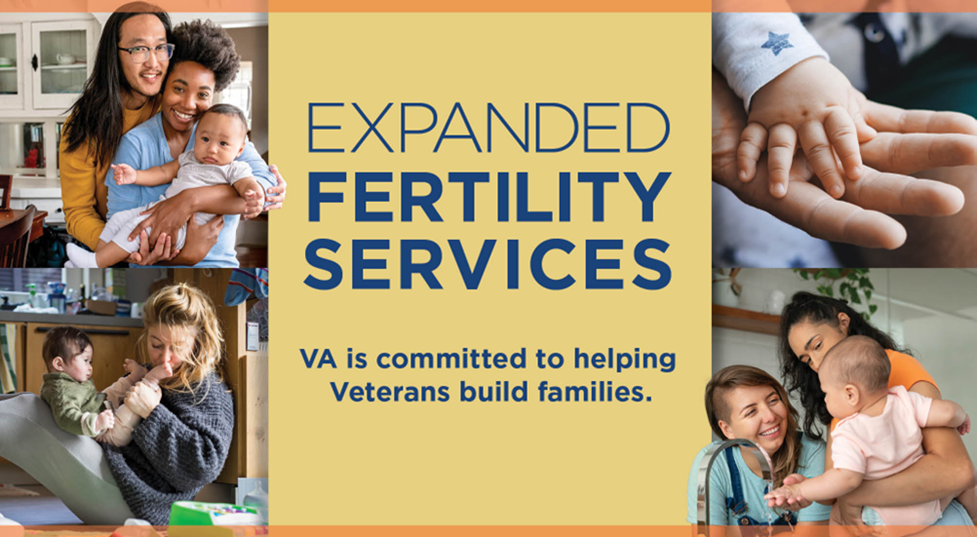 Every Veteran’s journey to building a family is unique, and whether you’re just beginning to think about options or you’re exploring fertility treatments, it’s important to know that VA can support you along the way. You have access to a wide range of services that can help make parenthood a reality—and MORE Veterans can now receive the care needed to build a family.
VA’s Family Building Services
If you and your partner need help conceiving or you’re a single Veteran wanting to become a parent, you may qualify for fertility services, in vitro fertilization (IVF), or an adoption reimbursement through VA.
VA’s fertility evaluation services may include medical history and physical exam, lab tests, imaging services (ultrasounds and X-rays), or genetic counseling and testing; and fertility treatments may include hormone therapy, surgeries, and more.
Depending on your infertility’s cause, you may require assisted reproductive technology (ART). ART is any treatment or procedure that includes the handling of human eggs, sperm, or embryos outside of the human body for the purpose of becoming pregnant, including options like IVF.
IVF is a procedure that involves taking an egg from a woman's ovary and fertilizing it with sperm outside the body. The fertilized egg, called an embryo, is then allowed to grow in a safe environment for a few days. After that, the embryo can be placed into a uterus or frozen for future use.
Understanding Infertility
If you or your partner are experiencing challenges becoming pregnant, you may need support for infertility. Infertility is a condition where you may have difficulty becoming pregnant after trying for a year or more. It can affect both women and men, and it means that having a baby is harder than expected because you may have:
An inability to become pregnant based on your medical, sexual, or reproductive history, age, physical health, diagnostic testing results, or any combination of these factors OR
A need for medical intervention, such as the use of donor eggs, donor sperm, or donor embryos to become pregnant, either on your own or with a partner.
Expanded Eligibility
Fertility evaluations and some treatments are available to ALL Veterans using VA health care, regardless of your service connection, sexual orientation, gender, relationship, or marital status. VA has recently expanded eligibility for ART or IVF to include unmarried Veterans and Veterans in same-sex marriages, and if you are legally married, your spouse may also receive fertility benefits.
To be eligible for ART/IVF benefits through VA, you must have a service-connected disability determined by Veterans Benefits Administration that caused your infertility. This means that your disability or its treatment caused your difficulty in getting pregnant.
Certain Veterans may be able to obtain or purchase donated sperm, eggs, or embryos in your ART/IVF treatments—a critical step toward supporting Veterans whose service-connected injuries or health conditions prevent you from becoming pregnant.
Veterans who are eligible for VA ART/IVF benefits are also eligible to receive an adoption reimbursement benefit, which includes up to $2,000 per adopted child under the age of 18 years, with maximum reimbursement of $5,000 in any calendar year for adopting multiple children under the age of 18.
Accessing VA Fertility Services
To begin your journey, speak with your VA primary care provider to be referred to a community fertility specialist. From maternity care coordination, reproductive health, and mental health care to benefit options in education, employment, housing and food assistance, VA is here to provide personalized support to meet your family’s needs.
Visit the VA Women’s Health Fertility Services webpage to learn more.
You can also call, text, or chat with the Women Veterans Call Center (1-855-VA-WOMEN) to speak to someone who can walk you through your eligibility and enrollment or connect you to care and services you can trust.
|
|
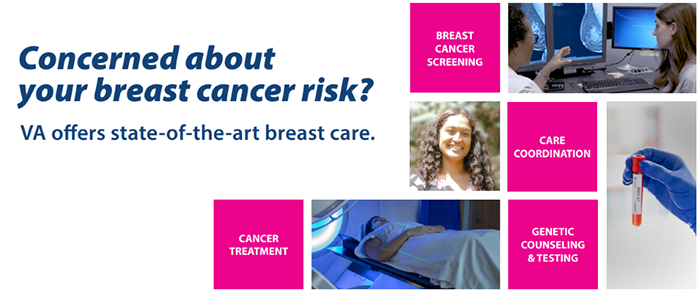 VA’s breast health services
VA provides state-of-the-art, coordinated breast cancer care, including mammograms, breast ultrasound and magnetic resonance imaging, genetic counseling and testing, cancer diagnosis and treatment, and more.
We encourage all women Veterans to talk to their provider about their risk for breast cancer, learn which preventive screenings are right for them, and seek support if they’re facing a diagnosis.
Personalized care that supports your physical, mental, emotional, and social well-being is available at VA. Your VA health care team gets to know you as a whole person, focusing on what matters to you most.
VA offers breast cancer risk assessments, mammograms, breast ultrasounds, magnetic resonance imaging (MRI), biopsies, surgery, genetic counseling, and cancer treatment either at a VA medical facility or in the community.
Learn more about breast cancer screening and resources at www.womenshealth.va.gov or watch this video about breast cancer screening for women Veterans on YouTube.
|
|
We’re continuously expanding our services to improve your care.
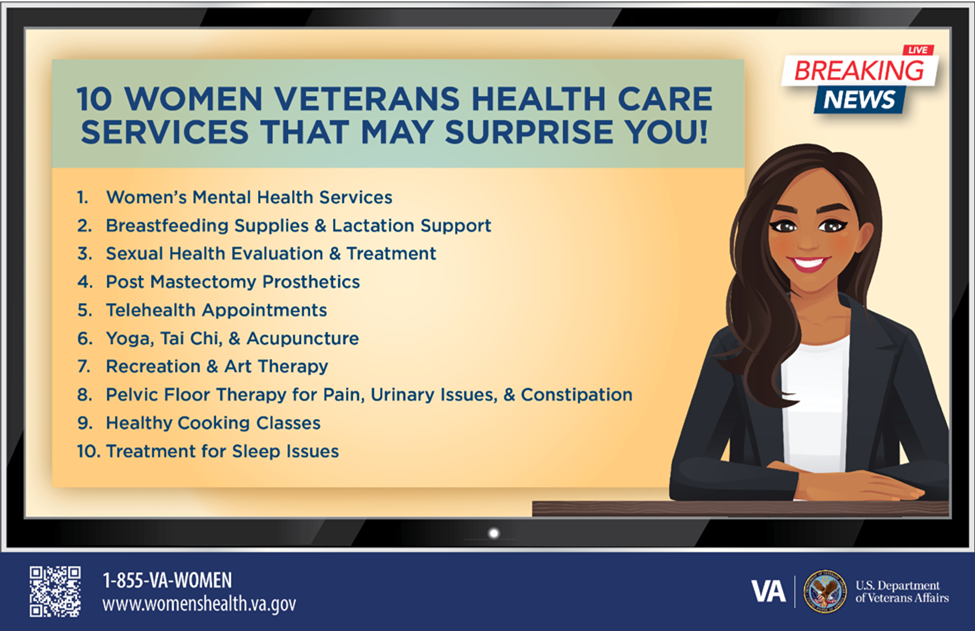 Women Veterans, you may be surprised to learn about all VA has to offer! If you haven’t checked out VA in a while, things have changed. We recognize that each of you are unique, and your health care needs are not “one-size-fits-all.” That's why VA continues to expand its services, so we can provide you with the best care possible to better fit your needs.
All of your care coordination in one place
When it comes to your health and well-being, we have you covered. VA is a one-stop-shop where you can receive care coordination for all your health needs in one place. You have access to a full spectrum of gender-specific, comprehensive health care at VA, and our Whole Health approach is all about focusing on what matters to you. Your VA health care coordination includes primary and preventative care, reproductive health, fertility services, maternity care, mental health, and resources for your overall well-being, like exercise, sleep, and nutrition.
We’re not your grandfather’s VA
We’re here to support you in all stages of your life through gender-specific care (including LGBTQ+ health), preventive care, and general primary care for acute and chronic illnesses. You can receive routine wellness exams, as well as cervical cancer screening (Pap tests), breast cancer screening (mammograms), birth control, and vaccines.
We understand that not every woman’s journey is the same when it comes to pregnancy or family building. VA is a trusted partner in discussing sensitive reproductive health topics, such as fertility, birth control, menopause, and more. And we’ve expanded and improved our maternity care to include coordination for 12 months postpartum and access to lactation support and breastfeeding supplies.
We also understand that women Veterans may face unique mental health challenges and we work to address them directly through evaluation, counseling, and treatment.
Unexpected services that may surprise you
While those services may be in your usual rotation, these may come as a surprise:
We’re not afraid to talk about sexual health. VA can address lack of interest or desire in sex, difficulty with arousal or orgasms, sexual pain, and may provide prescription vaginal devices and medications to help.
We have prosthetics and sensory aids services from post-mastectomy implants and wigs to home improvement or alterations to accommodate disability needs.
We can bring health care to you through virtual telehealth appointments in the comfort of your own home. Plus, you can get prescriptions in the mail!
We can make physical and cognitive rehabilitation fun! Our recreation and creative arts therapies, like art, dance, drama, and music, can connect your hobbies with your recovery.
There’s plenty more to discover. Including well-being services like treatment for sleep issues, healthy cooking classes, yoga, tai chi, acupuncture, and other treatments.
Call or text 1-855-VA-WOMEN or visit www.womenshealth.va.gov to learn more. If you haven’t been using VA’s health services, we invite you to give us a chance. And if there’s something on your mind, talk to your VA health care team about it. We can most likely help!
|
|
 It may be your thyroid!
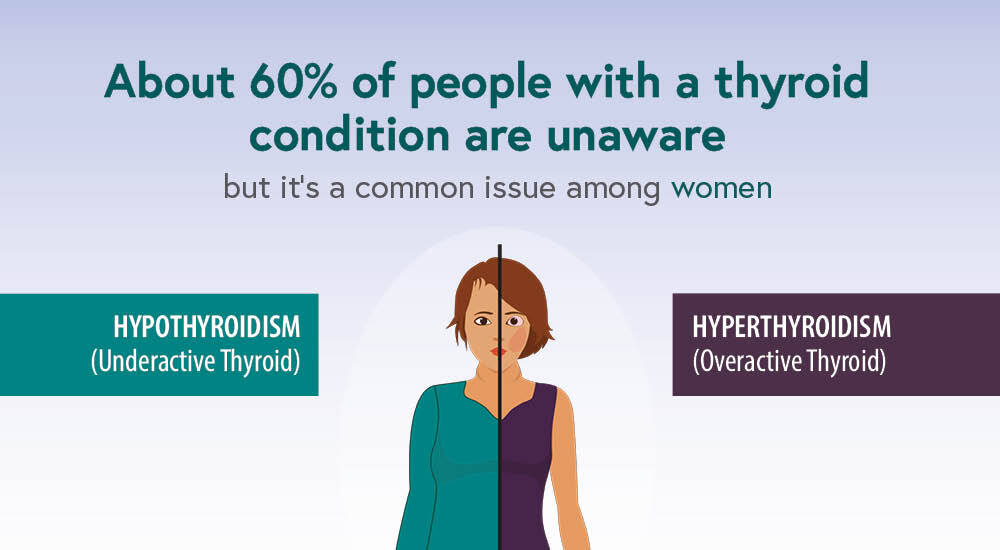
Women Veterans: Have you experienced a significant shift in your weight, mood, energy, temperature tolerance, periods, or skin and hair? It may be your thyroid. About 60% of people with a thyroid condition are unaware, but it’s a common issue among women (especially after pregnancy or menopause).
The thyroid gland is a small organ at the front of your neck that produces hormones which play a big role in the way your body functions. The two main types of thyroid disease are:
Hypothyroidism: When your thyroid does not make enough thyroid hormones; also known as an underactive thyroid. This slows down many of your body's functions, like your metabolism.
Hyperthyroidism: When your thyroid makes more thyroid hormone than your body needs; also known as overactive thyroid. These speeds up many bodily functions, like your metabolism and heart rate.
When your thyroid doesn’t work properly, it can impact your entire body, but proper medication or treatment can help. If you have a family history of thyroid disease, notice a mass or swollen neck, or experience significant changes in your mood, weight, energy, period, temperature tolerance, or hair and skin, it’s time to make an appointment.
VA resources and treatment
If you have a family history of thyroid disease, notice a mass or swollen neck, or experience significant changes in your mood, weight, energy, period, temperature tolerance, or hair and skin, it’s time to speak to your VA health care provider. Medication or treatment is available and can help improve the way you feel.
The first step in accessing thyroid screening services at VA is to make an appointment with your VA health care provider.
If you report having symptoms of a thyroid issue, they will start by taking a complete medical history to learn more about your symptoms and your family history.
Your VA health care provider will complete a detailed exam of your thyroid and order blood tests or additional imaging tests, such as an ultrasound or scan, if needed for diagnosis. They may also refer you to a specialist if needed.
Visit the VA Women’s Health thyroid page for more information or call 1-855-VA-WOMEN to speak to a real person and get connected to care.
VA Whole Health resources are available to help you eat healthy, exercise regularly, maintain a healthy weight, and reduce stress—all which help keep your thyroid healthy.
|
|
 Comprehensive women's health care.
Women Veterans represent a diverse range of individuals, including professionals, mothers, and retirees — spanning different ages, racial backgrounds, and ethnicities. At VA, your women's health care team is dedicated to treating you as an individual and supporting your well-being throughout every stage of your life.
What resources and services does VA provide for health and wellness?
Comprehensive Primary Care is the place to start for preventive care and treatment of any short- or long-term illness. Women's Health primary care providers and their teams take care of your general medical needs and can refer you to other needed or specialty services.
Cancer Screenings: Screening for cancer is a critical part of primary health care. VA encourages all Veterans to discuss their specific risk factors with their providers to develop the best screening schedule. For those without any personal or family history of concern, the list below is a helpful guideline for when you should complete your preventive cancer screenings.
Breast cancer: VA follows the United States Preventive Services Task Force (USPSTF) breast cancer screening guidelines and recommends that women begin getting yearly mammograms by age 40, and continue screening every other year through age 74. Women may choose to be screened annually, or after age 74, after a discussion with their provider about risks and benefits.
Cervical cancer: Women should receive pap tests starting at age 21 to screen for cervical cancer. Pap tests are repeated every 3 years until age 30 and then Pap tests and/or Human Papilloma Virus (HPV) testing are repeated every 3 or 5 years depending on which tests are used to screen. For average risk women, cervical cancer screening is not recommended after age 65.
Colon cancer: Screening for colon cancer starts at age 45 for those with average risk factors. Talk to your provider about which colon cancer test is the best for you.
Lung cancer: Screening for lung cancer is recommended at age 50 with yearly low-dose CT scans for women who have previously smoked a pack a day for 20 years and are still smoking or quit within the past 15 years.
Skin cancer: Skin cancer is the leading form of cancer in the U.S., but if caught early, most skin cancers can be cured.
General Health Screenings: These screenings may be needed, depending on your age, health, and history.
- Anemia
- Blood pressure
- Cholesterol
- Diabetes
- Hepatitis C, HIV, and sexually transmitted infections (STI)
-
Osteoporosis for women with average risk at age 65
- Abdominal aortic aneurysm if you smoke or did smoke cigarettes
Immunizations: are part of routine health care. VA encourages all Veterans to discuss the following vaccines with their primary providers to find out which ones may be a healthy choice for you:
- COVID-19
- Flu shot
- Pneumonia
- Shingles
- Human Papilloma Virus (HPV)
- Tetanus
- Respiratory Syncytial Virus (RSV)
Lung health: Women Veterans who have concerns about their respiratory health or airborne hazard exposures should discuss these concerns with their provider teams.
Military exposures: Veterans who may have been exposed to chemical, physical, or environmental hazards during military service can read about possible related health conditions. Veterans may also want to enroll in the Environmental Health Registry Evaluation for Veterans. It is a free, voluntary medical assessment for Veterans who may have been exposed to certain environmental hazards during military service. Click here to speak with an Environmental Health Coordinator.
Whole Health: Whole Health is VA's cutting-edge approach to care that supports your health and well-being. Whole Health centers around what matters to you, not what is the matter with you. This means your health team will get to know you as a person, before working with you to develop a personalized health plan based on your values, needs, and goals. Whole Health includes complementary and alternative medicine such as meditation, tai chi, yoga and acupuncture.
|
|
 Built by Veterans for Veterans, the Veterans First platform provides access to a wide variety of live health and wellness classes for all who wish for a healthier and happier lifestyle. Virtual classes are available for all fitness levels. Take classes from work or from the comfort of your home.
Yoga
Yoga is a mind and body practice with origins in ancient Indian philosophy. The various styles of yoga typically combine physical postures, breathing techniques, and meditation or relaxation.
Tai Chi
Tai Chi is a mind-body exercise combining slow-flowing intentional movements with breathing, awareness, and visualization.
Rooted in the Asian traditions of martial arts, Chinese medicine and philosophy, Tai chi enhances relaxation, vitality, focus, posture,
balance, strength, flexibility, and mood.
Qigong
Qigong is an ancient Chinese healing art, older than, and similar to tai chi, with a focus on cultivating the body’s vital energy or qi. It
involves the coordination of the breath, posture, awareness, visualization and focused movements. Qigong may be a stationary or moving meditation.
 Available Classes
- Health & Wellness
- Yoga & Mindful Movement
- Tai Chi & Qigong
- Meditation & Guided Rest
Reported Benefits
- Improved Sleep, Heart Health, Focus
- Reduced Stress, Chronic Pain, Inflammation
- Decreased Anxiety, Depression, Chronic Fatigue
- Migraine Relief
Whole Health is VA’s approach to care that supports your health and well-being. It focuses on self-care, skill building and support.
Your Whole Health Team is pleased to support your journey to well-being.
|
|
 Women Veterans Menopause Treatment Clinic
Eastern Oklahoma VA is excited to announce that we now offer a menopause clinic to help those with various perimenopause, menopause, and post menopausal symptoms.
Are you having symptoms of perimenopause or menopause?
Dr. Gary Sweet, Women's Reproductive & Mental Health Clinical Pharmacy Practitioner will be seeing Women Veterans on Wednesdays and Fridays. Appointments are available face to face at Ernest Childers Clinic or virtually via VVC appointments.
The clinic will focus on management of all aspects of menopause, including medication, education, osteoporosis prevention, and management of B12, Vitamin D and stress.
If you're interested in an appointment, please contact your PCP and ask them to submit "Menopause Consult".
Women Veterans Pelvic Floor Rehabilitation Clinic
Eastern Oklahoma VA now has a Pelvic floor Physical Therapy clinic on Thursdays in Muskogee. New state of the art pelvic floor Ultrasound equipment has been purchased and we are excited to offer this service to our Women Veterans as non surgical alternative to treat urinary incontinence. Ask your PCP if this service could be right for you!
Are you having symptoms of a weakened pelvic floor or urinary incontinence?
Ashley Sells, PT, DPT will be seeing Women Veterans in the new pelvic floor rehab clinic. This clinic will be on Thursdays in Muskogee.
The clinic will focus on management of pelvic floor issues, especially urinary incontinence.
If you're interested in an appointment, please contact your PCP and ask them to submit "Pelvic Floor Physical Therapy Consult".
|
|
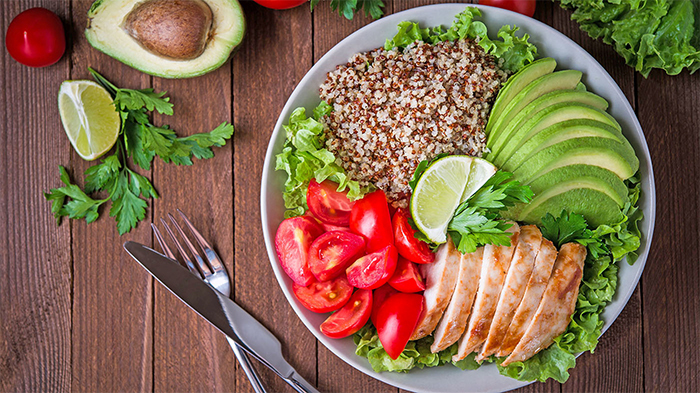 Good nutrition helps keep you healthy. Your weight and the foods you eat relate directly to how much energy you have. But shortness of breath during meals can keep you from getting the nutrition your body needs. A dietitian or other health care provider can work with you. They can help you set up a healthy meal plan that includes foods you like.
What you should eat
Try to maintain a balanced diet that includes a variety of these foods:
- Protein. This includes meat, beans, and other products. Protein helps build muscle mass.
- Dairy products. These include milk, cheese, and yogurt. Dairy products help keep bones and teeth strong. Dairy is also high in protein.
- Fruits and vegetables. These give you the vitamins you need to stay healthy.
- Breads and starches (carbs). Carbs that are also high in fiber, such as whole-grain breads, may have longer-lasting and healthier effects than other carbs.
- Fluids. These keep you hydrated. Drinking fluids may also thin mucus. Unless told otherwise, drink when you feel thirsty. health care provider
If you’re having trouble eating
The stomach sits right under the diaphragm, the muscle that helps you breathe. A full stomach makes it harder for the diaphragm to move down. This can make breathing harder, causing shortness of breath during and after meals. These tips can help:
- Eat smaller meals during the day. This way your stomach doesn’t get as full. And your lungs have more room to expand.
- Chew slowly with your mouth closed. This helps stop you from swallowing air.
- Try to stay away from or limit foods and drinks that cause gas. Gas makes the stomach swell and press on the diaphragm. These foods can include onions and cabbage and carbonated drinks. Not all foods have the same effects on all people. Keep track of the ones that cause problems for you.
Vitamins and supplements
Talk with your health care provider before trying any over-the-counter vitamins or supplements.
If you have acid reflux
A lot of people with chronic lung disease have problems with acid reflux. This can cause symptoms such as coughing, heartburn, and upset stomach. Here are some things you can do:
- Limit foods that increase acid in the stomach. These include spicy foods, caffeinated drinks, and alcohol.
- Don't lie flat for 2 hours after eating unless told otherwise by your health care provider. At night, prop yourself up on pillows or elevate the head of your bed.
- Talk with your health care provider or a dietitian about creating a special diet so you don't have acid reflux. Also ask your health care provider about medicines that may help.
- Lose weight if you are overweight, this will usually improve reflux.
- Do not wear tight-fitting clothing.
|
|
Brussels Sprouts with Mushroom Sauce
Ingredients:
- 1 lb of Brussels Sprouts, broccoli, cabbage, kale, collards, or turnips
- 1 Cup of Chicken Broth, Low Sodium
- 2 tsp lemon juice
- 1 tsp dried thyme
- 1 Cup sliced Mushrooms
Directions:
Trim Brussels sprouts and cut in half. Steam until tender, about 6 to 10 minutes. Or microwave on high for 3 to 4 minutes.
Bring the broth to a boil in a nonstick pot. Mix in the lemon juice, mustard, and thyme. Add the mushrooms. Boil until the broth is reduced by half, about 5 to 8 minutes. Add the Brussels sprouts. Toss well to coat with the sauce.
Makes 4 servings:
Each serving contains 70 calories, 1 g fat, 0 mg cholesterol, 10 g carbohydrates, 85 mg sodium, 4 g dietary fiber, and 4 g protein.
Cranberry Pumpkin Muffins
Ingredients:
- 2 cups of AP flour
- 3/4 cup sugar
- 3 tsp baking powder
- 1/2 tsp salt
- 1/2 tsp cinnamon
- 3/4 tsp allspice
- 1/3 cup vegetable oil
- 2 large eggs
- 3/4 cup of canned pumpkin
- 2 cups fresh or frozen chopped cranberries
Directions:
Preheat oven to 400 degrees F.
Sift together the dry ingredients (Flour through allspice).
Beat oil, eggs, and pumpkin together until well blended. Add the wet ingredients to the dry ingredients all at once. Stir just until moistened.
Fold in chopped cranberries. Spoon into paper lined muffin cups.
Bake at 20 to 25 minutes or until a toothpick inserted into the center of a muffin comes out clean.
Makes 12 servings:
Each muffin contains about 200 calories, 7 g total fat, 1 g saturated fat, 35 mg cholesterol, 230 mg sodium, 32 g carbohydrates, and 3 g protein.
|
|
 Suicide is Preventable and Support is Available
Suicide has no single cause and no one approach can end it—but prevention is possible, especially when women Veterans find support before a crisis happens.
Women Veterans may have unique experiences related to military service, health and wellbeing, or trauma that can increase the risk of suicide. Some also face medical and social issues that affect relationships and quality of life. Military service can lead to readjustment issues, posttraumatic stress disorder (PTSD), trouble sleeping, or even physical injury. Additionally, reproductive health conditions that women Veterans sometimes face may take a toll on their mental health.
VA is committed to offering a growing range of resources and a network of support for all women Veterans, including those who do not, and may never, seek care within the VA health care system. Whether it's mental health care or treatment for chronic pain or other health concerns, VA can provide personalized, gender-tailored care to help women Veterans. Each VA medical center also has a Suicide Prevention Coordinator to connect women Veterans to counseling and services.
Additionally, creating a safety plan now, by identifying coping strategies and sources of support, can help give suicidal thoughts time to decrease and become more manageable in a future crisis. Download the VA Safety Plan app or create one together with your VA health care team.
The Veterans Crisis Line is free, confidential, and available 24/7. You don't have to be enrolled in VA benefits or health care to connect. Veterans, family, and friends can reach out. Dial 988 and press 1, text 828255, or chat online. Visit the VA Women’s Health suicide prevention page for more resources.
Call 1-855-VA-WOMEN (1-855-829-6636) to speak to a real person and connect to VA women’s health care.
|
|
|
Come to our New Veteran Orientation Held Monthly at Ernest Childers Outpatient Clinic in Tulsa.
Are you new to VA health care? Are you a current VA patient, but want to learn more about what services and benefits VA has to offer and how to obtain them?
Join Us For New Veteran Orientation
When: The 2nd Thursday of every month
Where: Ernest Childers VA Clinic 8921 S. Mingo Rd. Tulsa, OK 74113 2nd floor, Rooms 2008 - 2010 (across from optometry)
Time: 1:00 p.m.
Open to all Veterans, family members, caregivers, and community partners.
- Meet representatives from various departments within the VA
- Learn about the processes for getting things done at the VA
- Learn about and sign up for My HealtheVet
- Question and answer session
|
|
 Check out our back-issues for more Women Veterans resources and popular topics.
|
|
|
|
|