|
|
Dr. Wong received her undergraduate education at the University of
California, Davis. She received her Master’s degree from University of
Kansas City, where she also completed her Medical School training.
Following medical school, she received Family Medicine Training at
In His Image Family Medicine in Tulsa, Oklahoma. Her Hobbies
include hanging out with friends/family, volunteering at church,
reading, crocheting, crafts, traveling, experiencing new
cultures/languages and relaxing in nature.
Dr. Wong will be accepting patients on the WH Team 2 at the Ernest Childers Outpatient Clinic in Tulsa.
|
|
 Diabetes is a chronic condition that occurs when your body's blood sugar, or glucose, levels are too high. There are three main types of diabetes:
· Type 2 occurs when your body does not produce enough insulin or is resistant to insulin. It usually occurs in adults and is commonly associated with obesity. Type 2 diabetes can often be delayed or
prevented with lifestyle changes.
· Type 1occurs when your body does not make insulin or makes very little, so you need to take insulin every day. Type 1 diabetes most commonly occurs in children and is caused by an autoimmune
destruction of pancreatic cells that produce insulin. It cannot be prevented, but it can be treated effectively, and it is much less common than Type 2.
· Gestational diabetes can develop in pregnant women who have never had diabetes and puts your baby at higher risk for health problems. Gestational diabetes happens when your body cannot make enough insulin during your pregnancy. It usually goes away after birth, but it does increase your risk and your child’s risk for Type 2 later in life.
About 1 in 3 women have prediabetes—a condition that puts you at increased risk for developing Type 2 diabetes, heart disease, and stroke. This occurs when your blood sugar levels are higher than normal but not high enough for a Type 2 diagnosis.
o With prediabetes, you still have a very good chance of cutting your risk of Type 2 in half by making simple lifestyle changes!
While diabetes is manageable, it can lead to other serious health conditions including:
o Heart disease and stroke: High blood sugar levels can damage blood vessels in the heart, which can lead to heart attack. You are twice as likely to have heart disease or a stroke if you develop diabetes.
o Vision problems: Diabetes can cause permanent vision loss by damaging blood vessels in your eyes. o Nerve damage: A common complication of diabetes, nerve damage causes numbness or pain, most often in your feet and legs.
o Kidney disease: High blood sugar levels can damage your kidneys and cause chronic kidney disease, potentially leading to kidney failure if left untreated.
Risk Factors, Symptoms, and Prevention
·As a Veteran, you are 2.5 times more likely to develop Type 2 diabetes than non-Veterans. In fact, diabetes affects nearly 25% of VA's patient population.
o Sometimes this is due to significant lifestyle changes that commonly occur following service, such as being less physically active, developing unhealthy eating habits, drinking alcohol or smoking, mental health challenges, and more.
·You may want to discuss your risk for prediabetes or becoming diabetic with your VA health care provider if you have certain risk factors such as:
o Being overweight
o Being 45 years and older
o Having a parent or sibling with Type 2 diabetes
o Not being physically active
o Having polycystic ovary syndrome (or PCOS)
o Having had gestational diabetes or giving birth to a baby weighing over 9 pounds.
·Race and ethnicity may also play a role in your risk for diabetes. Women Veterans who are African American, Hispanic/Latino, American Indian, Alaska Native, Pacific Islander, or Asian American are at higher risk.
·It’s important to note that some women may not experience any symptoms of diabetes before they are
diagnosed. However, speak with your VA health care provider about testing your blood sugar levels if
you are experiencing:
o Frequent urination
o Increased thirst or hunger
o Unexplained weight loss
o Blurred vision
o Numbness or tingling in hands or feet
o Increased fatigue
o Dry, darkened skin or skin tags
·For women Veterans who are at risk for developing diabetes, simple lifestyle changes can make a big
difference. You can prevent Type 2 diabetes, heart disease, and stroke by:
o Losing weight
o Eating healthy
o Exercising for 30 minutes, five days a week
o Quitting smoking
o Drinking less alcohol
o Managing your stress
VA’s Services and Resources
·VA offers a wide range of services and resources to diagnose and help you prevent and manage diabetes. The first step to accessing VA services for diabetes is to contact or make an appointment with
your VA health care provider.
·Testing for diabetes consists of a blood test to check your glucose levels. Once you have been tested, your VA health care provider can help you understand your diagnosis and develop a treatment plan for
prevention or management.
·Whether you’re prediabetic or diabetic, your VA health care team offers a wide range of treatment options and resources to help you take control of your health, including:
o Primary care and specialty care
o Blood glucose monitoring supplies and medications
o Nutrition counseling
o Weight loss or exercise programs
o Eye care
o Foot care
o Prosthetic devices
|
|
 Menopause is a natural part of life, marking the end of menstrual periods and changes in reproductive hormones. While all women go through this transition, research has shown that women Veterans may experience earlier or more symptoms. Just like other transitions you've faced, you don’t have to go through this one alone. VA offers support and care to help you
manage these changes with confidence and comfort.
Understanding Menopause Phases
Menopause doesn’t happen overnight. It unfolds gradually in three phases: perimenopause, menopause, and post-menopause. Each phase brings different changes and knowing what to
expect can help you manage symptoms more effectively.
·Perimenopause: Perimenopause is the adjustment period before menopause and often begins in your 40s. During this time, your ovarian function begins to decline. You may notice changes in your menstrual cycle, such as periods that are heavier, lighter, longer, or shorter. Hot flashes, mood changes, night sweats, weight gain, thinning hair, and trouble sleeping can also begin during this phase.
·Menopause: Menopause occurs when you have not had a menstrual period for 12 consecutive months. Most women reach this point in their early 50s, though it can happen earlier or later. Hot flashes, mood changes, and other symptoms may continue. At this point,
your body adjusts to lower hormone levels, and you may need extra care to manage symptoms.
·Post-Menopause: After menopause, your body continues to change. While some symptoms may ease, your risk increases for health conditions like heart disease, osteoporosis, and urinary incontinence. Ongoing care can help you stay healthy and manage these long-term
changes.
Menopause as a Veteran
As a woman Veteran, you’re more likely to experience earlier or more intense menopause due to a combination of military-related stressors and exposures. Chronic stress, posttraumatic stress disorder, trauma, and higher rates of depression can disrupt hormones and worsen symptoms. Smoking or increased tobacco use is linked to
earlier menopause, while exposure to environmental hazards like burn pits and chemicals may impair ovarian function.
Managing Menopause
No other health care system understands your experience as a Veteran better than VA. We recognize your unique needs and tailor our services to you. You may be eligible for services
including:
·Medication: Medications, including hormonal and non-hormonal options, can reduce symptoms and restore balance.
·Sleep support: VA offers tools and treatments to help you sleep better, which supports your overall well-being.
·Whole Health: A variety of additional options for managing symptoms are offered through Whole Health, including acupuncture.
·Mental health support: VA offers counseling, medication, and peer support to help with mood changes, stress, or emotional shifts.
·Lifestyle counseling: VA helps you build healthy habits around diet/weight, exercise, and stress management through various therapies and medications.
·Bone density testing: VA monitors bone density to detect early signs of bone loss and personalize plans to prevent or manage osteoporosis.
·Vaginal therapies: VA offers therapies for vaginal and urinary symptoms, including topical medications and pelvic floor physical therapy.
In addition to VA care, you can take steps on your own to ease symptoms like hot flashes, mood changes, and irritability: Dress in layers; avoid hot beverages; limit alcohol; practice
mindfulness; exercise regularly; and eat a healthy, balanced diet.
Embrace this New Chapter with VA
|
|
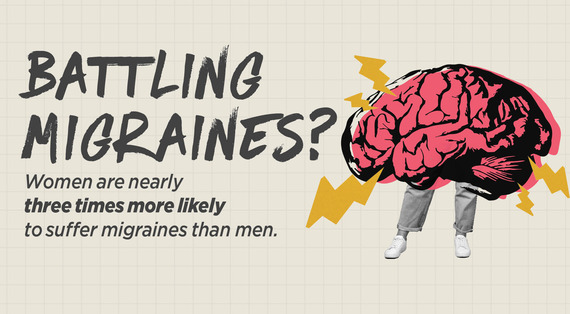 Migraines are not just regular headaches—they can disrupt your entire day. Everyday triggers such as stress, light, noise, smells, disrupted routines, and lifestyle habits can make them worse. So can prior military experiences and hormone changes. It’s crucial to recognize the symptoms, know your triggers, and get the
support you need.
Understanding Migraines
Migraines are intense, throbbing head pains that can hit any time, lasting from hours to days. Women tend to experience migraines more frequently and intensely than men, with symptoms including:
·Sharp, intense head pain
·Nausea and vomiting
·Sensitivity to light, sound, and smells
·Fogginess
·Visual changes
Red Flags: Some symptoms are a warning sign of something more serious. If you
experience any of the following, head to the ER right away:
·A headache that starts suddenly and escalates within 1-2 minutes
·Weakness, numbness, or trouble speaking
·A level of pain you’ve never felt before
Know Your Triggers
Migraines are especially common in women of childbearing age. Hormonal changes—such as periods, menopause, birth control, or pregnancy—can trigger attacks, along with everyday factors like light, noise, smells, weather, disrupted routines, and lifestyle habits. Add your prior military experience, and you’ve got a perfect storm for more frequent migraines.
Tracking your migraines (including when they happen, how long they last, and symptoms) will help you and your VA health care team create a solid treatment plan. Don’t forget to note your family history and any medications you are taking.
Get Support from VA
Don’t let another migraine throw off your day. If migraines are impacting your life, reach out to VA for support. Together, you and your provider can create a treatment plan to manage your pain and reduce future attacks. VA offers a full range of services to treat disabling and chronic pain, including medications, injections, acupuncture, and other non-drug therapies like
occupational and physical therapy, biofeedback, massage, mindfulness, and cognitive behavioral therapy. Our Whole Health approach also addresses stress, sleep, nutrition, and exercise to manage triggers that contribute to your migraines.
Visit VA Women Veterans Health Care to learn more or call the Women Veterans Call Center (1-855-VA-WOMEN) to speak to a real person who can help you enroll, schedule an appointment, and connect you to care you can trust.
|
|
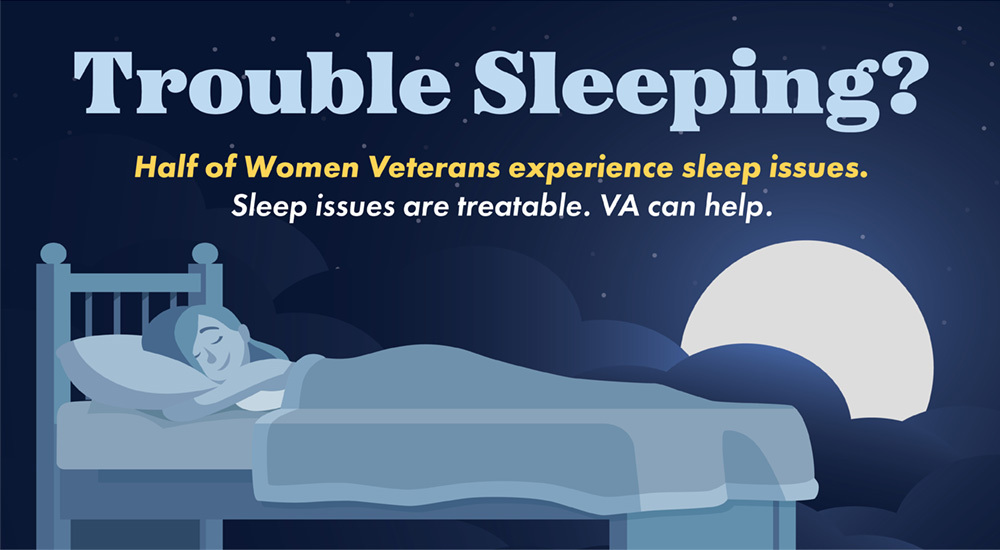 You’re not alone. Half of women Veterans experience sleep issues, but treatment is available! You may experience sleep issues more often and differently than men due to hormonal changes unique to you, like premenstrual syndrome (PMS), premenstrual dysphoric disorder (PMDD), pregnancy, or menopause. Difficulty sleeping could be due
to medical problems, such as pain, mental health, a diagnosable sleep condition, and more.
If you’re experiencing the following symptoms, VA can help:
·Frequent or chronic difficulty falling or staying asleep
·Waking up gasping for breath (or your partner says you stop breathing when you sleep) ·Waking up to uncomfortable sensations in your legs (or your partner says you move
your legs rapidly during sleep)
·Snoring loudly
·Getting up from sleep more than twice to urinate
·Waking up feeling like you haven’t slept enough or feeling exhausted during the day VA has several resources to treat insomnia, snoring or sleep apnea, restless leg syndrome, and other issues that may keep you from getting your rest. You may be eligible for treatments such as sleep therapy, at-home devices, medication, and more advanced care.
Don’t snooze on your health! Speak with your VA health care provider about your concerns and listen to our She Wears the Boots podcast episode on insomnia for more information.
|
|
|
The Women Veterans Program had a busy October with two of our biggest events in the same month! The two day, two location WV baby shower was held on October 16 and 17 and the 3 annual Pink the Pole Breast Cancer Walk was held on October 24 at both Ernest Childers Outpatient Clinic and Jack C. Montgomery.
|
|
|
|
|