
While many families are gearing up to celebrate the Fourth of July with fireworks, one Army Veteran wants to raise awareness on how loud noises and bright flashes can be triggering for those with Post-Traumatic Stress Disorder (PTSD).
The Iraq combat Veteran said he didn't realize he had PTSD until he returned home from war. "I really enjoy celebrating the 4th of July, but when I first returned from Iraq, I realized at one July Fourth weekend event that I had issues and was eventually diagnosed with PTSD," he said.
To make the 4th of July less traumatic and more enjoyable, the Veteran recommends checking in on neighbors coping with PTSD before setting fireworks off. "Fortunately, I live in a community where my neighbors know that I am a combat Veteran," he said. "Every year as the holiday approaches, I just kindly remind them to let me know before they pop any fireworks so that I can have the peace of mind that it's not incoming artillery rounds.”
Another option, he suggests, is celebrating the holiday with indoor activities. "For some Veterans with PTSD, it might be a good idea to watch fireworks on television or mobile device so it's in a controlled environment.”
The VA offers support and care through evidence-based treatments for PTSD, stress, and anxiety. VA also offers the PTSD Coach Mobile App that provides information and coping skills to help manage anxiety or distress.
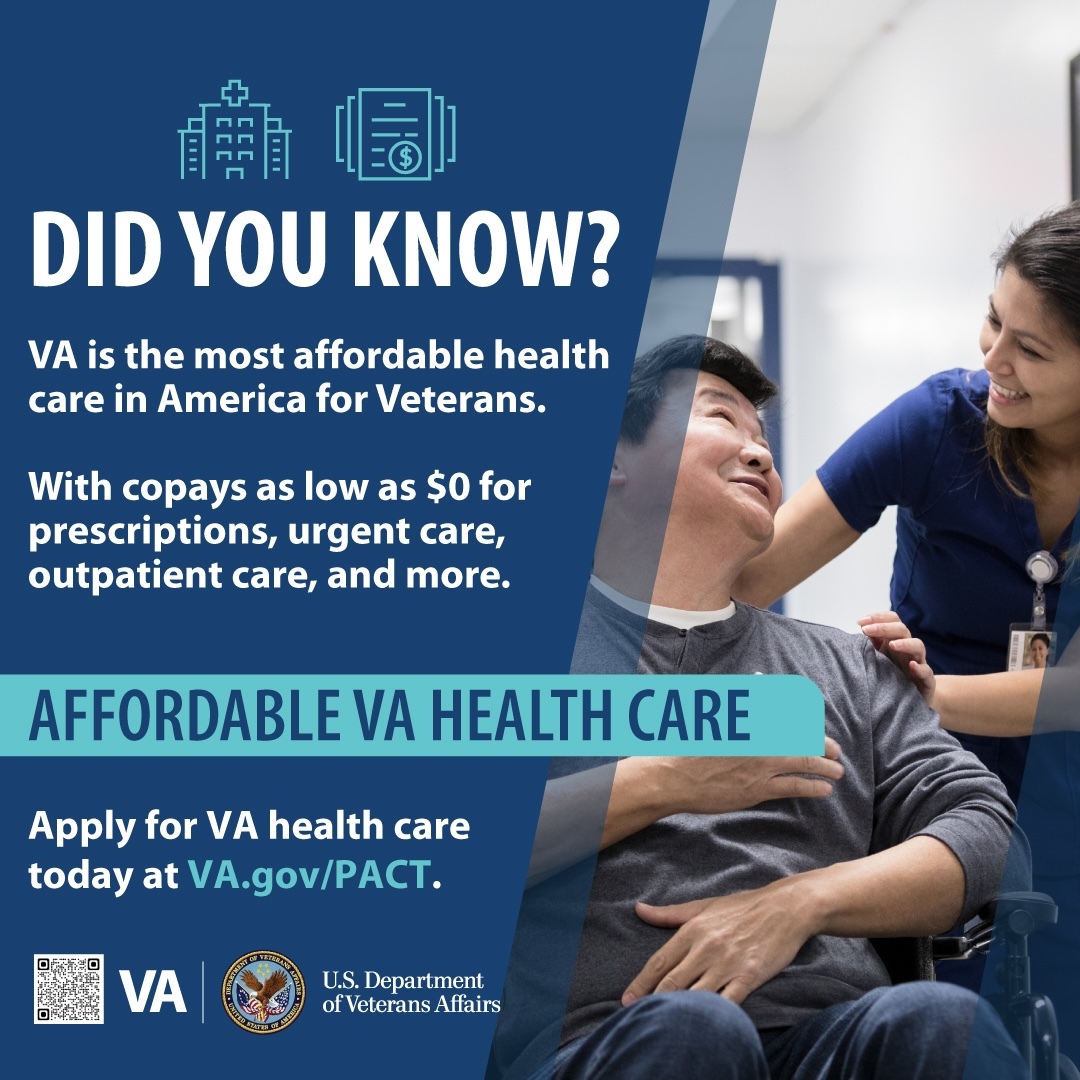 In March 2024, millions of Veterans became eligible for VA health care years earlier than called for by the PACT Act. That includes all Veterans who served in the Vietnam War, the Gulf War, Iraq, Afghanistan, or any other combat zone after 9/11.
To be eligible to enroll in VA health care, Veterans must meet the minimum active-duty service requirements, have a qualifying discharge, and meet one or more eligibility requirements specific to VA health care. VA encourages all Veterans to apply to determine their enrollment eligibility.
- It includes all Veterans who deployed in support of the Global War on Terror.
- And it includes Veterans who never deployed but were exposed to toxins or hazards while training or on active duty here at home – by working with chemicals, pesticides, lead, asbestos, certain paints, nuclear weapons, x-rays, and more.
- In general, Veterans must have served 24 months of continuous active duty or the full period for which they were called or ordered to active duty.
- Former members of the Reserves or National Guard are eligible for VA health care if they have qualifying service (as described above) and meet one of the health care eligibility requirements in the PACT Act. Former members of the Reserves or National Guard who only served for training purposes may not be able to establish Veteran status if they did not incur a qualifying disability during such training.
- Some exceptions apply.
Please visit www.va.gov/health-care/eligibility for more information.
 Are you moving, currently receiving benefits or prescriptions, or enrolled in VA health care and want to know how to change your mailing address?
You can update your personal contact information anytime, anywhere through VA.gov. Log in or create a free VA.gov account today!
Click below for additional details, learn how to update your address, and how to change other information related to your VA benefits.
Change Your Address In Your VA.gov Profile | Veterans Affairs
 What's Important to Know?
If you have diabetes, talk with your health care team about selecting a safe and effective glucose (blood sugar) target range that is based on your own goals, priorities, and lifestyle. Selecting a safe glucose target range can help you manage your diabetes and prevent low blood glucose (hypoglycemia).
Diabetes Self-Management Education and Support (DSMES) helps people with diabetes manage their diabetes in ways that fit their lifestyle. In DSMES programs, people with diabetes:
- Work with a diabetes care and education specialist to set and track goals.
- Learn how to use knowledge, skills, and tools to build confidence and emotional strength to manage diabetes.
- Practice how to fit diabetes care into all parts of life—like eating healthy and problem solving.
- Find ways to get support (in person and online) from family, friends, the community, and their health care team.
For more information visit: VA Nutrition: Diabetes Self-Management Education and Support (DSMES).
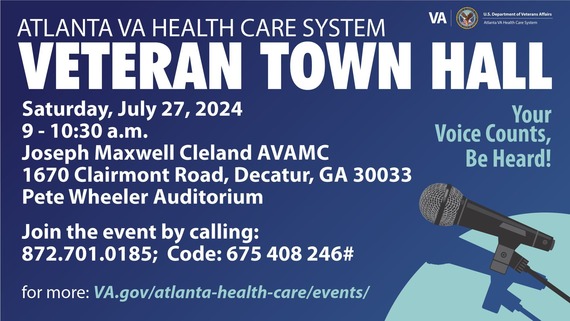 Join Medical Center Director Kai Mentzer and the Executive Leadership Team for our next Veteran Town Hall on Saturday, July 27, 2024. We look forward to hearing from you.
For more information about the upcoming town hall and other activities, visit: Atlanta VA Health Care System Events
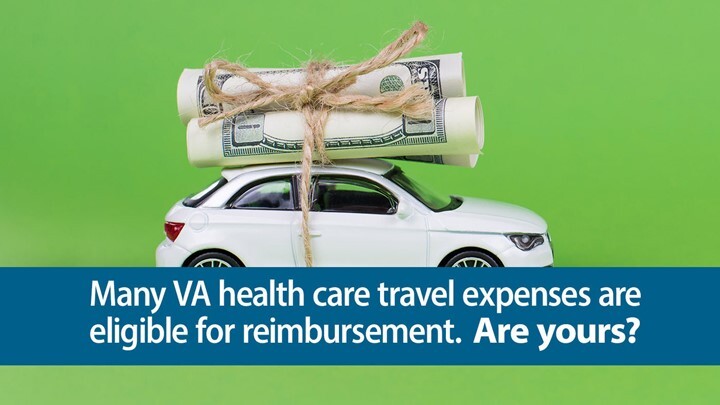 VA travel pay reimbursement pays eligible Veterans and caregivers back for mileage and other travel expenses to and from approved health care appointments. Find out if you’re eligible and how to file a claim.
For Veterans | As a Veteran, you may be eligible for reimbursement if you’re traveling for care at a VA health facility or for VA-approved care at a non-VA health facility in your community.
For Caregivers | VA may pay for transportation and related lodging and meals for non-Veterans if the person meets established requirements.
Learn more: VA Travel Pay Reimbursement | Veterans Affairs
|