|
|
|
Share this email with your colleagues to make sure they get the latest VHA IE news: SUBSCRIBE
|
|
|
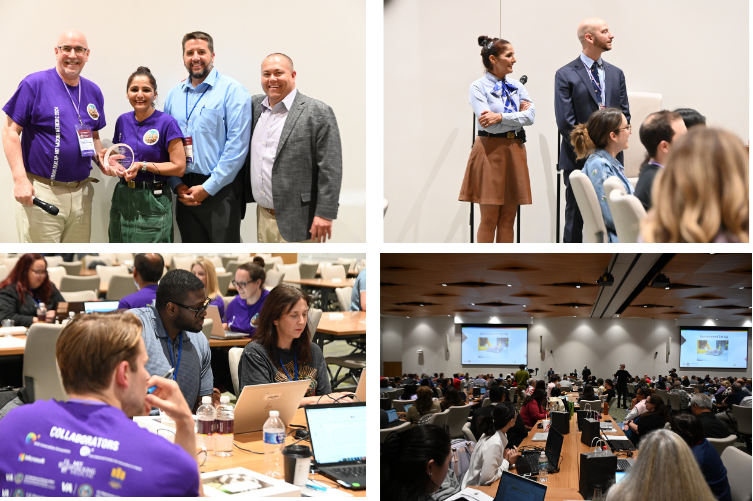
Defining the strength of the hackathon, Dr. Sandal encapsulated the event’s essence, stating, “Veterans Health – MIT Hacking Medicine was powered by public-private collaboration, to create an ecosystem for people, technology, and community stakeholders to deliver transformative health care innovations for our Veterans.”
Innovations initiated or validated by VA often extend to address needs across the entire health care system. Events like this hackathon expedite the identification and dissemination of these groundbreaking advancements, facilitating broader access and implementation. Kit Teague, Executive Director of VHA IE, noted the benefit for public-private collaborators, adding, “Partnering with VA is inspiring because of our dedication to caring for Veterans, caregivers, and their families. We offer tangible value with our data, research infrastructure, and pilot environments to help companies shape their products for the market.”
Collaborative Breakthroughs Transform Care
Uniting 217 participants from 28 states and 16 of 18 Veterans Integrated Services Networks (VISNs), the event addressed three of VA's health care priorities: connecting Veterans to the soonest and best care, preventing Veteran suicide, and hiring faster and more competitively. Supported by the guidance of over 50 mentors and judges, comprising specialists from diverse backgrounds, teams leveraged Microsoft's artificial intelligence tools and within 72 hours, rapidly went from ideation to development of groundbreaking solutions to address some of the most pressing needs within VA.
VISN 8 Director, Mr. David Isaacks confirmed the event’s impact on Veteran care, stating, "MIT Hacking Medicine is critical to improving care for Veterans. This collaboration acts as a force multiplier in finding solutions and fulfilling promises made to them."
Teams found inspiration in keynote speakers and panels covering topics like "Public-Private Collaboration in Health Care Innovation" and "From 0-1: Early-Stage Entrepreneurship." Winning teams from each category will progress to a Makeathon, where they will develop their concepts into working prototypes. The event's success is evident, with 99% of post-survey respondents expressing interest in future health care hackathons.
Dan Coleman, General Manager of Microsoft’s federal civilian arm, spoke to the heart of the event, "If we can bring clarity to just one Veteran through mental health solutions, it can mean an extra day, an extra birthday, an extra anniversary with loved ones. The impact of that is immeasurable."
Concluding this groundbreaking experience, Dr. Sandal offers this advice, “Dream big. No idea is too small, and nothing is impossible.” One hacker echoed this sentiment, stating, “I learned the barrier to coming up with a great idea is lower than I thought.”
2024 Veterans Health – MIT Hacking Medicine Winners, Runners-Up
Provide Veterans the Soonest and Best Care
-
AI Reconciliation Rangers (Team 106): Improved the medication reconciliation process with an AI-powered solution, medsafely.com.
-
ContrastAssist (Team 112): Streamlined contrast-enhanced CT scan orders through automated approval.
-
The Optimizers (Team 107): Addressed ineffective scheduling and provider matching by developing an AI algorithm for automated triage and scheduling.
Prevent Veteran Suicide
-
VITAE (Team 208): Transformed static Safety Plans into dynamic, Veteran-centric decision points using humanized conversations.
-
GuardianAssist (Team 201): Developed a multi-modal AI analysis to help non-mental health staff engage in critical suicide prevention conversations.
-
Hidden Truths (Team 204): Created an early suicide risk detection tool using machine learning with voice biomarkers and clinical decision support.
Hire Faster and More Competitively
-
VA Match (Team 309): Accelerated hiring by using GenAI and NLP to rate and rank resumes, reducing bias and improving consistency.
-
The HireForce Squad (Team 306): Implemented the VA Resume Compatibility Checker to score resumes with AI based on position selection history.
-
AIhR (Team 307): Enhanced candidate evaluation efficiency with an AI model to streamline the hiring process.

VHA Innovation Ecosystem is proud to announce enhancements to the PathFinder platform, which has been instrumental in transforming how innovators engage with VA. These updates are designed to streamline processes and make it more intuitive for users to navigate and use the platform.
PathFinder, initially launched to simplify interactions between VA and collaborators, now boasts improved functionalities that cater specifically to the needs of innovators. The platform serves as a gateway to begin collaborating with VA, offering a user-friendly interface that guides users through the necessary steps to engage with VA effectively.
Dave Brimmer, PathFinder Tech Scout, had this to say about the relaunch, “For the past few years, the PathFinder team has been working to build out the backend processes that drive our work. Now we have a streamlined, user-friendly frontend experience to match.”
The relaunch of PathFinder also emphasizes VA's commitment to transparency and efficiency. By providing a clear roadmap for engagement and collaboration, the platform ensures that all users—regardless of their familiarity with VA processes—can navigate innovation processes with ease and confidence.
Innovators will find the platform particularly useful for accessing resources like the Greenhouse Initiative through the VHA Innovators Network, which supports pioneering projects from ideation through to user feedback and prototyping. This initiative is part of VA's broader effort to foster a culture of human-centered innovation, ensuring that veteran-focused projects from external collaborators can be developed and tested within a supportive environment.
We encourage you to visit the new PathFinder.va.gov to experience these enhancements firsthand. The platform is designed to support our ongoing mission to provide the best possible care and services to Veterans, through effective interactions and innovative solutions. We have much more in store for PathFinder so, join us in this renewed effort to enhance Veteran care through cutting-edge technology and collaborative innovation. VA Innovation starts with PathFinder.
|
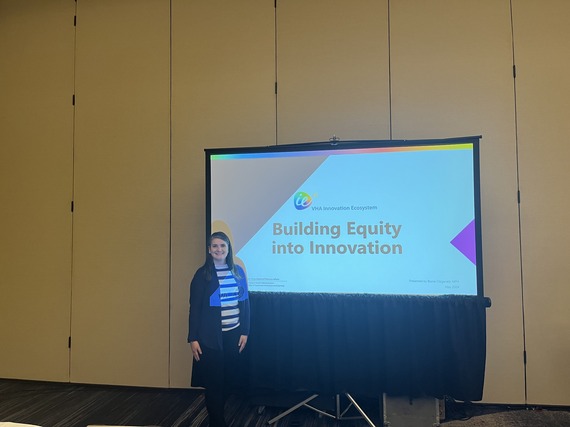
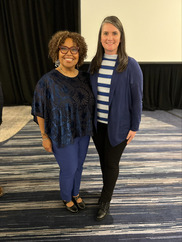
The Department of Veterans Affairs VA Voluntary Service (VAVS) National Advisory Committee (NAC) held its 78th annual VAVS NAC Meeting and Conference on May 14-16, in St. Louis, Missouri.
This committee, established by VA Circular No. 117 in May 1947, offers counsel and advice to the Under Secretary for Health on matters concerning volunteer participation in VA facilities. It plays a crucial role in recruiting volunteers, ensuring seamless communication with participating organizations, and keeping organizations informed about volunteer needs and achievements.
 |
|
This committee, established by VA Circular No. 117 in May 1947, offers counsel and advice to the Under Secretary for Health on matters concerning volunteer participation in VA facilities. It plays a crucial role in recruiting volunteers, ensuring seamless communication with participating organizations, and keeping organizations informed about volunteer needs and achievements.
During the event representatives from relevant service organizations, donors, and other committee members from across the country convened to hold open discussions and workshops focusing on the coordination and promotion of volunteer activities and retention.
Diffusion of Excellence Specialist, Blaine Fitzgerald, had the privilege of hosting the “Building Equity into Innovation” workshop, where she outlined how VHA has consistently led the charge in innovative health care solutions. Blaine also illustrated how a commitment to transformative health care enhances the lives of Veterans while also fostering partnerships and investments toward equitable care delivery. To learn more about the VAVS National Advisory Committee, visit their webpage.
|
|
|

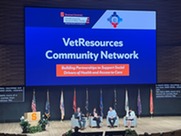
While attending the VetResources Community Network Partnership Convening in Syracuse, NY, Dr. Jay Gorman of VA Bedford Medical Center participated in the “Building Partnerships to Support Social Drivers of Health and Access to Care” panel. During this conversation, he emphasized the need for VA to form strong partnerships with community organizations to effectively support Veterans.
|
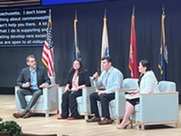
“Veterans Socials are about enjoying, supporting, and connecting with one another among all military affiliated and community supporters. I want Veterans to have social support systems and communities in the places they live,” said Dr. Jay Gorman. Other key points from this panel included leveraging community connections for comprehensive suicide prevention and addressing social isolation among Veterans. Dr. Gorman’s fellow panelists highlighted the power of collective efforts and the necessity of robust national infrastructure to support local implementation tailored to community needs.
|
|
|
|
|
|