Veterans Health Administration sent this bulletin at 03/16/2020 11:11 AM EDT
VASNHS COVID-19 Update
Attention Southern Nevada Veterans,
Thank you for entrusting us with your health care. With COVID-19 monopolizing the media and every other corner of society at the moment, we know you may have questions, comments or concerns. As such, we want to take the opportunity to provide you with some resources on COVID-19, including information on how to reduce your risk of exposure, as well as updates on what we are doing locally to ensure for your physical, mental and spiritual wellbeing.
For those concerned about visiting one of our health care facilities during this time, we have other options available. Veterans who have flu-like symptoms such as fever, cough and shortness of breath should contact us immediately before you visit one of our VA facilities. Call us at 702-791-9000 (option 3) or 877-252-4866. In addition to calling, Veterans can also use virtual care options such as Telehealth or MyHealtheVet Secure Messaging. Care in the home via VA Video Connect appointments are also available.
If you are visiting one of our facilities, please allow a little extra time to get to your appointments as we are currently screening all Veterans, staff and other visitors at our entrances for symptoms of fever, cough, and shortness of breath. Individuals found to be at potential risk for a COVID-19 infection will be immediately isolated to prevent potential spread to others and cared for using established CDC and VA protocols.
In closing, we know these are challenging times and it is our hope to return to normal operations as quickly as possible. However, despite the extraordinary circumstances, we are committed to continuing to provide you with the best care and services possible. Thank you for your patience and understanding.
Local VA Impacts
Out of an abundance of caution due to COVID-19 and to limit the risk of exposure to patients and staff, the VA Southern Nevada Healthcare System (VASNHS) has implemented the following actions:
Screenings at VASNHS Entrances
Everyone who enters any VASNHS facilities will be pre-screened. This may lengthen entry times, so patients are advised to allow for that when arriving for their appointments.
Per CDC guidance and VA protocols, individuals known to be at risk for a COVID-19 infection are immediately isolated to prevent potential spread to others.
Valet Parking Services Suspended
VASNHS has suspended valet parking service at North Las Vegas VA Medical Center until further notice.
No-Visitor Policy
Effective immediately VASNHS will implement a “No Visitor” policy, meaning the public and outside visitors will not be permitted to see inpatients at the North Las Vegas Medical Center or accompany Veterans to outpatient appointments at any of VASNHS' community clinics, unless they are directly assisting or caring for a Veteran.
The only exceptions will be in compassionate cases, when Veterans are in their last stages of life and receiving palliative or hospice care.
In those cases, visitors will be limited to a specific Veteran’s room only.
Cancellation of Elective Surgeries and Non-Urgent Procedures
VASNHS will cease elective surgeries and other non-urgent procedures no later than Wednesday, March 18. This action is being taken to reduce unnecessary hospitalizations and ICU use, freeing up critical resources to specifically address COVID-19. All patients who fall into these categories will be contacted by the facility.
Cancellation of in-person group sessions, classes and courses
VASNHS is canceling all in-person group sessions, classes and courses throughout the healthcare system until further notice. Virtual options such as telehealth and conference calls will be offered as alternatives wherever possible for Veterans participating in these activities. VASNHS will reach out to affected individuals to discuss options.
Fisher House Closure
VASNHS will be closing the VA Southern Nevada Fisher House until further notice. VASNHS Fisher House staff will notify and work with affected individuals and other families requesting temporary lodging to make new arrangements.
Postponed Events
The Department of Veterans Affairs is postponing several local upcoming public events including:
March 18 - National Nutrition Month Health Fair, North Las Vegas VA Medical Center Auditorium. Status:No new date established as of now.
March 21 - Women’s History Month High Tea, Three Square Food Bank. Status:Rescheduled for June 20.
March 27 - National Vietnam War Veterans Day Observance throughout VASNHS. Status: Formal ceremonies and events have been canceled for 2020. Vietnam-era Veterans interested in receiving a commemorative 50th anniversary pin, should contact vhalaspao@va.gov.
April 1 - Henderson Vet Center 10-Year Anniversary Celebration. Status: Tentatively rescheduled for Fall of 2020.
April 4 – Southern Nevada Veterans Community Engagement Board Health and Wellness Fair and VA Veterans Town Hall, North Las Vegas VA Medical Center. Status: Will be rescheduled for September or October 2020.
In addition to local VA events, the VA will cease participation in all public outreach events until April 30. VASNHS will provide updates and more information on each postponed event as it becomes available. We apologize for any inconvenience . There have been no cancelations of VA medical appointments and all VA operations continue to function as normal.
General Information
What is COVID-19?
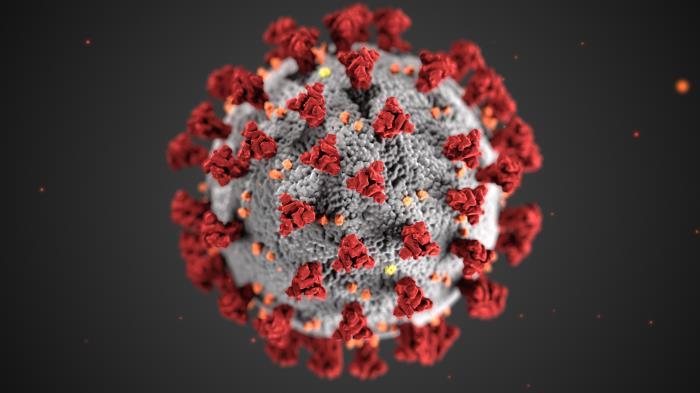
COVID-19 is a novel (new) coronavirus that was first detected in China and which has now been detected in more than 100 locations internationally, including in the United States. The virus has been named “SARS-CoV-2” and the disease it causes has been named “coronavirus disease 2019” (abbreviated “COVID-19”).
The virus is thought to spread mainly from person-to-person.
Between people who are in close contact with one another (within about 6 feet).
Through respiratory droplets produced when an infected person coughs or sneezes.
These droplets can land in the mouths or noses of people who are nearby or possibly be inhaled into the lungs.
People are thought to be most contagious when they are most symptomatic (the sickest).
Some spread might be possible before people show symptoms; there have been reports of this occurring with this new coronavirus, but this is not thought to be the main way the virus spreads.
Reported illnesses have ranged from mild symptoms to severe illness and death for confirmed coronavirus disease 2019 (COVID-19) cases.
The following symptoms may appear 2-14 days after exposure.*
Fever
Cough
Shortness of breath
(Source: Centers for Disease Control and Prevention)
How to protect yourself
Currently, there is no vaccine to prevent the COVID-19 infection and no medication to treat it. CDC believes symptoms appear 2 to 14 days after exposure. Avoid exposure and avoid exposing others to an infection with these simple steps.
Learn to use VA Video Connect through the VA mobile app store or by contacting your VA care team, before any urgent problems arise.
Wash your hands often with soap and water for at least 20 seconds. An easy way to mark the time is to hum the “Happy Birthday” song from beginning to end twice while scrubbing.
Use an alcohol-based hand sanitizer that contains at least 60% alcohol.
Avoid touching your eyes, nose and mouth with unwashed hands.
Avoid close contact with people who are sick.
Stay home when you are sick or becoming sick.
Cover your cough or sneeze with a tissue (not your hands) and throw the tissue in the trash.
Clean and disinfect frequently touched objects and surfaces.
Getting a flu shot is recommended.
High Risk Individuals
Early information out of China, where COVID-19 first started, shows that some people are at higher risk of getting very sick from this illness. This includes:
Older adults
People who have serious chronic medical conditions like:
Heart disease
Diabetes
Lung disease
If you are at higher risk for serious illness from COVID-19 because of your age or because you have a serious long-term health problem, it is extra important for you to take actions to reduce your risk of getting sick with the disease.
Stock up on supplies.
Take everyday precautions to keep space between yourself and others.
When you go out in public, keep away from others who are sick, limit close contact and wash your hands often.
Avoid crowds as much as possible.
Avoid cruise travel and non-essential air travel.
During a COVID-19 outbreak in your community, stay home as much as possible to further reduce your risk of being exposed.
Additional Resources
For more information on COVID-19, please visit the following sites: