|
Our top story this week is the Navy's new rapid acquisition cell, stood up with a specific focus on contingency operations and support to allies and partners in crisis, notably Ukraine and Taiwan for now.
On Sunday, 60 Minutes ran a segment on defense contractor price gouging, featuring Shay Assad, former Director of Defense Pricing and Contracting.
- While much of the information in here may be familiar to readers of this newsletter, the episode has already generated a letter from Senators asking Secretary Austin to look into the pricing challenges referenced.
- The segment called out the F-35 program as one example, attributing high costs to the government's failure to secure technical data rights for sustainment and maintenance.
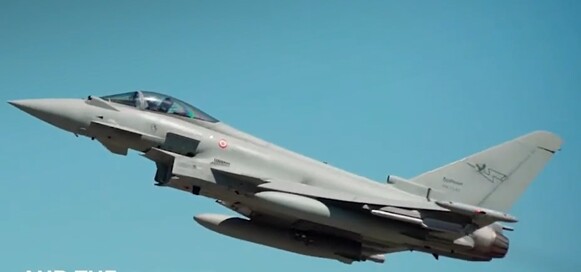
As the Air Force plans out the NGAD, Frank Kendall is taking lessons learned so as not to repeat this and other challenges resulting from what he called "acquisition malpractice" made with the fifth-generation fighter jet. See the Stephen Losey article for more.
- And check out the latest GAO report on F-35 sustainment, with a focus on spare parts accounting.
DoD is working on a comprehensive cybersecurity strategy for contractors, which will include CMMC as part of its protection measures. The strategy will also have guidance for handling intrusions and cyber attacks if protection fails.
DoD has announced its latest invocation of the Defense Production Act--this time for microelectronics manufacturing in California.
Yesterday, President Biden officially nominated CQ Brown as the next chairman of the joint chiefs of staff.
- We're all eager to see how he takes his mantra of "accelerate change or lose" to this next position.
The White House has released an updated R&D plan for artificial intelligence that aims to create the guardrails for responsible and trustworthy AI, make high quality datasets publicly accessible, and more.
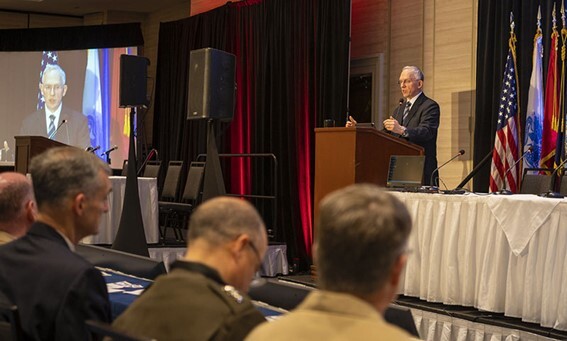
In ARP news, our next recording from the symposium is online: Nick Guertin's keynote address.
- For those with just a few minutes to watch, check out the three-minute overview and montage video produced by the NPS team.
And remember that all papers and presentations from the symposium are available online in two locations:
- on the symposium website, where they are organized by panel and within the collected Proceedings. This site will be up for a few months.
- in the Defense Acquisition & Innovation Repository (DAIR), where you can search or browse products from this and previous symposia. DAIR will serve as the permanent home for these holdings.
Contact information for presenters is included in the papers.
Happy reading, and happy weekend!
This Week's Top Story
With Ukraine, Taiwan in mind, Navy creates new acquisition cell focused on crisis response
Justin Katz, Breaking Defense
 The Navy is establishing a new acquisition cell tasked with responding to ongoing crises around the world, with its initial focus set on the war in Ukraine and a potential future conflict over Taiwan, according to a memo obtained by Breaking Defense.
The Maritime Accelerated Response Capability Cell “will coordinate and prepare [Department of the Navy] responses to urgent [Defense Department] security cooperation tasks, contingency operations support, and other identified priorities,” according to the May 3 memo signed by Frederick Stefany, the service’s acting acquisition executive. “[I]t will remain in effect until ordered no longer needed.”
“The MARCC will initially focus on Ukraine, Taiwan, and contingency support, and will have inherent flexibility to adapt to new conflicts or urgent DOD requirements and tasks,” the memo continues.
The group’s mission, as the memo describes, will essentially be to facilitate the rapid selection and transfer of various Navy capabilities to help US entities, allied nations or any other group that the Pentagon is tasked with supporting during a time of crisis. In other words, the new Navy cell is formally taking up the mission that the Pentagon has had to organize on the fly as it continually arms Ukraine with different weapons and vehicles to defend itself against Russian invaders.
|