|
March/Marzo 2024
Celebrating a Year of the Marine Debris in the Caribbean Newsletter!
¡Celebrando un año del boletín informativo!
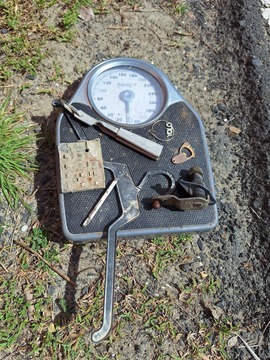 A few of unexpected items found during the Great mangrove Cleanup in St Croix. Photo credit: NOAA
|
In this issue
Reunión anual de la Comunidad del Plan Estratégico de Desechos Acuáticos de Puerto Rico (available in English)
Logros del 2023: Plan Estratégico de Puerto Rico
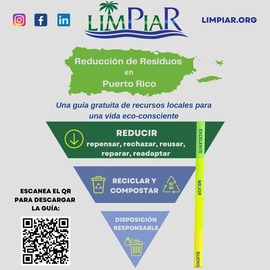
LimPiaR ha lanzado la Guía de Reducción de Residuos en Puerto Rico
A summer without a footprint … a restaurant alliance to reduce single use plastics
2024 St. Croix Cay Cleanup and Great Mangrove Cleanup Remove a Combined 1,602 pounds of Trash from Ruth Cay and the Altona Lagoon’s Mangroves
From the Desk to the Field: Learning from MDP Caribbean Grantees
Have you Heard About Marine Debris Monitoring in the Caribbean?
Announcements
The EPA is Inviting the Caribbean Community to their "Community Change Grants" Webinars
The National Park Foundation and National Park Service on Request for Proposals - Plastic Waste
|
|
 Traducciones a español realizadas con ayuda de la versión gratuita del traductor DeepL.com. Photo credit: NOAA
|
|
Celebrating a Year of the Marine Debris in the Caribbean Newsletter!
It has been a year since we shared the first issue of the Marine Debris in the Caribbean Newsletter and a lot has been happening since then! We aimed to highlight the initiatives of our collaborators from Puerto Rico and the U.S. Virgin Islands to work against marine debris in our beloved coastlines, and we (all of the marine debris community) have accomplished way more. The stories behind the posts shared by our collaborators have inspired and amazed us, some made us laugh, and even more importantly, some have helped establish new partnerships (and even friendships!) to keep our coasts clean.
Please check out all the great stories in this quarterly issue of the Marine Debris in the Caribbean Newsletter. I invite you to also take a look at the previous issues and to reach out if you have any questions or stories to tell (yaritza.rivera@noaa.gov).
March 2023, June 2023, September 2023, December 2023
You can subscribe to the Marine Debris in the Caribbean Newsletter on this link.
|
|
¡Celebrando un año del boletín informativo!
Ha pasado un año desde que compartimos el primer número del Boletín de Desechos Marinos en el Caribe y ¡muchas cosas han sucedido desde entonces! Nuestro objetivo era destacar las iniciativas de nuestros colaboradores de Puerto Rico y las Islas Vírgenes de EE.UU. para trabajar contra los desechos marinos en nuestras queridas costas, y nosotros (toda la comunidad de desechos marinos) hemos logrado mucho más. Las historias detrás de los mensajes compartidos por nuestros colaboradores nos han inspirado y asombrado, algunas nos han hecho reír y, lo que es aún más importante, algunas han ayudado a establecer nuevas asociaciones (¡e incluso amistades!) para mantener limpias nuestras costas.
Échale un vistazo a todas las magníficas historias en este número trimestral del Boletín de Desechos Marinos en el Caribe. Le invito también a echar un vistazo a los números anteriores y a ponerse en contacto con nosotros si tiene alguna pregunta o historias que contar (yaritza.rivera@noaa.gov).
Marzo 2023, Junio 2023, Septiembre 2023, Diciembre 2023
Puede suscribirse al boletín en este enlace.
|
|
Reunión anual de la Comunidad del Plan Estratégico de Desechos Acuáticos de Puerto Rico
Entre el 17 al 19 de enero, el Programa de Desechos Marinos de la NOAA, con colaboración de la EPA, coordinó la reunión anual para discutir el progreso de las acciones relacionadas con el Plan Estratégico de Puerto Rico 2023-2028 para Reducir los Desechos Acuáticos (Plan Estratégico), y establecer las acciones 2024.
Este Plan Estratégico fue un esfuerzo de colaboración entre las partes interesadas de Puerto Rico, incluyendo agencias locales, estatales y federales, organizaciones sin fines de lucro, instituciones académicas, individuos y el sector privado. Además, es el primer plan sobre desechos marinos coordinado por la NOAA y la EPA. El Plan, que está disponible en inglés y español, tiene cuatro objetivos: Prevención, Remoción y Disposición, Respuesta de Emergencia y Coordinación. Cada meta tiene un conjunto de tres objetivos que ayudan a delinear acciones específicas para reducir los impactos adversos de los desechos acuáticos a través de esfuerzos coordinados.
Más de 60 interesados participaron en la reunión, que incluyó un componente virtual durante la mañana del 17 de enero, una reunión presencial el 18 de enero y dos entrenamientos simultáneos ofrecidos por Conservación Costera y NOAA sobre el Proyecto de Monitoreo y Avalúo de Desechos Marinos de la NOAA. Los socios del Plan Estratégico se beneficiaron de las presentaciones sobre los logros de 2023, el progreso de las distintas acciones y recursos disponibles, así como de las oportunidades de conectar que se brindaron durante la reunión. Además de la evaluación y creación de acciones, la reunión fomentó alianzas más fuertes, la creación de nuevos grupos de trabajo y una mejor comprensión de los recursos educativos y de financiación disponibles.
Las acciones del 2024 se pueden acceder a través del Portal de Colaboración de Florida y el Caribe.
English below
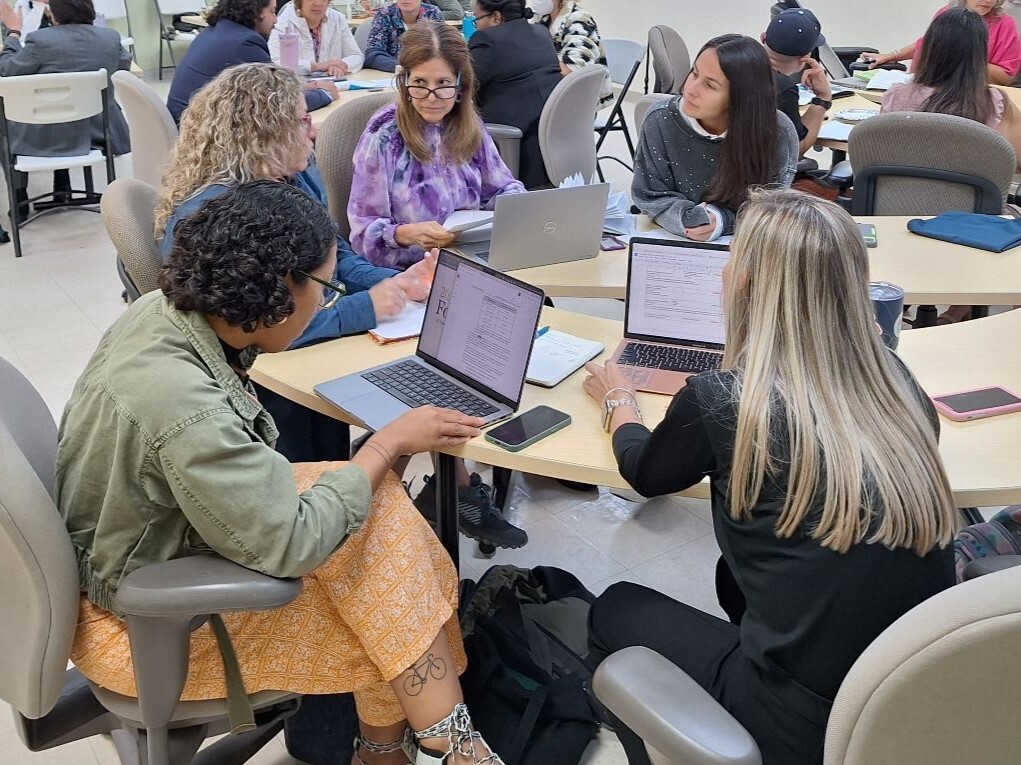 Uno de los equipos de trabajo durante la reunión del 18 de enero analizando las acciones del 2023 y recomendando acciones para el 2024. Crédito de la foto: NOAA / One of the workgroups from the January 18 meeting analyzing the 2023 Actions and recommending the 2024 ones. Photo credit: NOAA
|
|
The Puerto Rico Aquatic Debris Strategic Plan Community Annual Meeting
On January 17-19, the NOAA Marine Debris Program, with collaboration from the EPA, coordinated the annual meeting to discuss the progress of the actions related to the 2023-2028 Puerto Rico Strategic Plan to Reduce Aquatic Debris (Strategic Plan), and establish the 2024 actions.
This Strategic Plan was a collaborative effort between Puerto Rico’ stakeholders, including local, state, and federal agencies, non-profit organizations, academic institutions, individuals, and the private sector. Further, it is the first marine debris plan that is being coordinated by NOAA and the EPA. The Plan, available in both English and Spanish, has four goals: Prevention, Removal & Disposal, Emergency Response, and Coordination. Each goal has a set of three objectives that help outline specific actions to reduce the adverse impacts of aquatic debris through coordinated efforts.
Over 60 stakeholders participated in the meeting which included a virtual component during the morning of January 17, an in person meeting on January 18, and two simultaneous trainings on the NOAA Marine Debris Monitoring and Assessment Project, led by Conservación Costera and NOAA. Partners of the Strategic Plan benefited from presentations on the 2023 accomplishments, the progress of different actions, and the available resources, as well from the networking opportunities provided through the meeting. In addition to the evaluation and creation of actions, the meeting fostered stronger partnerships, the creation of new workgroups, and a better understanding of the available education and funding resources.
The 2024 actions can be accessed through the Florida and the Caribbean Collaboration Portal.
Logros del 2023: Plan Estratégico de Puerto Rico
Meta: Prevención
Objetivo 1.1: Investigar las fuentes de desechos y las soluciones para su prevención.
- Se creó un equipo de trabajo que está trabajando sobre estratégias que faciliten la implementación de leyes que prohíben plásticos de un solo uso. El grupo logró identificar diez estrategias que faciliten la implementación de la Ley 51: para prohibir el expendio y utilización de plásticos de un solo uso en todo establecimiento comercial, de venta y distribución autorizado a realizar negocios. Para más información puede comunicarse con Kaira Fuentes del Puerto Rico Recycling Partnership (ktfuente@syr.edu) para conocer más sobre los grupos participantes y las actividades asociadas.
- Se propuso estudiar la acumulación de neumáticos desechados en PR. A finales del 2022 se abrió una facilidad en Yabucoa para procesar y generar productos a un mercado existente para la venta de estos. Para más información puede comunicarse con María V. Rodríguez, Departamento de Recursos Naturales y Ambientales (DRNA) (mariavrodriguez@drna.pr.gov)
Meta: Remoción y Disposición
Objetivo 2.1 Recopilar información sobre ubicaciones y tipos de desechos, los métodos de recuperación y alternativas de disposición.
- Hillary Burgess, coordinadora de monitoreo del Programa de Desechos Marinos de la NOAA ofreció dos talleres de MDMAP (monitoreo de desechos) durante febrero de 2023 en Puerto Rico, uno en Guanajibo, Mayagüez y otro en Parque La Esperanza en Cataño. La acción buscaba capacitar a por lo menos cinco grupos en el uso de MDMAP (monitoreo), para el análisis de datos de desechos marinos obtenidos a través de ciencia ciudadana para febrero de 2023. Esta meta se logró sobrepasar, logrando adiestrar a sobre 10 grupos e individuos. Estos adiestramientos continuarán durante el 2024. Para más información puede comunicarse con Yaritza Rivera, Coordinadora Regional del Caribe, NOAA MDP (yaritza.rivera@noaa.gov)
Objetivo 2.2 Remover y disponer responsablemente los desechos marinos en Puerto Rico.
- La creación de un manual en el que se muestran alternativas de crear arte utilizando basura fue uno de los logros de un equipo de trabajo conformado por varios grupos y liderado por Conservation Opportunity y la División de Corales del Departamento de Recursos Naturales y Ambientales. El manual que se enfoca en actividades para la niñez, fue completado pero será compartido próximamente. Para más información puede comunicarse con Fabiola Torres de Conservation Opportunity (ftorres@conservationopportunity.org)
- Scuba Dogs Society logró fomentar las limpiezas costeras al brindar adiestramientos anualmente a por lo menos 150 capitanes interesados en participar de la limpieza internacional de costas. En adición auspiciaron a por lo menos 15 grupos comunitarios y organizaciones no gubernamentales en actividades de limpieza de costas a través de un kit de limpieza y adiestramiento para contabilizar los datos de remoción de desperdicios. Estas acciones se mantendrán vigentes a través de la vida del Plan. Para más información puede comunicarse con Sandra Schleier (sschleier@scubadogssociety.com)
Meta: Respuesta a Emergencias
Objetivo 3.1 Facilitar la preparación de las comunidades para mitigar los impactos potenciales de los desechos relacionados con los desastres.
- Scuba Dogs Society también estuvo involucrado en crear un plan de acción y respuesta a emergencia adaptado al conocimiento y experiencia para una comunidad piloto en Parcelas Suarez en Loíza, enfocado en prevenir la acumulación de desechos acuáticos que afecten su seguridad durante fenómenos atmosféricos. Utilizando este plan comunitario, crearon además un modelo a ser utilizado en tres comunidades adicionales a través de Puerto Rico. Se adiestraron varios grupos durante mayo 2023 en una actividad previamente reseñada en la edición de junio de este boletín y se espera en el 2024 poder adiestrar otros grupos interesados en modificar el plan a sus comunidades. Este proyecto fue apoyado por NOAA MDP. Para más información puede comunicarse con Ana Trujillo (atrujillo@scubadogssociety.com)
- La EPA y la Universidad de Puerto Rico, Recinto Universitario de Mayagüez, caracterizaron la basura en dos casas de bombas del DRNA en Cataño y Salinas, y compararon el comportamiento en las dos estaciones. Para más información puede comunicarse con Evelyn Huertas, EPA (huertas.evelyn@epa.gov)
- El Departamento de Recursos Naturales y Ambientales colocó chapas (4’ ancho) en los “inlets” de las alcantarillas pluviales en seis municipios para educar a las comunidades y en consecuencia prevenir descargas de contaminantes a la costa alrededor de las casas de bombas del DRNA. Para más información puede comunicarse con Raúl Santini, DRNA (rsantini@drna.pr.gov)
Objetivo 3.2 Garantizar la preparación de los gobiernos locales, estatales y federales para responder a los incidentes de desechos marinos.
- El Programa de Desechos Marinos de la NOAA proveyó entrenamiento a primeros respondedores de los gobiernos local, estatal y federal sobre recursos para la respuesta a desechos marinos. Estos adiestramientos se realizan anualmente durante la vida del Plan Estratégico. Para más información puede comunicarse con Yaritza Rivera, Coordinadora Regional del Caribe, NOAA MDP (yaritza.rivera@noaa.gov)
Meta: Coordinación
Objetivo 4.1 Identificar oportunidades de financiación y capacitación para hacer frente a los desechos marinos y acuáticos
- Dos becarias del Programa Aguas Libres de Basura de la EPA a través del Programa ORISE, elaboraron una lista de fuentes de ingresos existentes y potenciales para sostener la prevención de basuras y desechos marinos. Por otro lado, Eileen Alicea de la NOAA logró crear una lista de fondos no federales, incluyendo fondos privados que ayudan a dar continuidad a los proyectos. Para acceder a estos documentos, puede contactar a Yaritza Rivera, Coordinadora Regional del Caribe, NOAA MDP (yaritza.rivera@noaa.gov)
Objetivo 4.2. Promover la creación de redes y relaciones entre la comunidad de manejo de desechos marinos en Puerto Rico.
- El Estuario de la Bahía de San Juan trabajó sobre un informe en el Estuario de San Juan relacionado a los retos identificados en el manejo de desechos en 9 municipios asociados a la cuenca del estuario. Para más información puede comunicarse con Cristina Ramírez, Aquatic Debris Manager (cramirez@estuario.org)
|
|
|
Por María Ocasio-Torres, Educadora Ambiental - LimPiaR
LimPiaR es una organización sin fines de lucro 501 c3 US y 1101.01 PR.
Nuestra MISIÓN es promover prácticas para la reducción de residuos y cultivar la conciencia ecológica a través de la educación. Para conocer más sobre nuestros esfuerzos educativos, de reducción de residuos y de limpiezas de costas, presiona aquí.
|
|
|
Esta guía es una herramienta que muestra acciones y recursos locales disponibles para ayudarnos a vivir de manera eco-consciente, reduciendo los residuos que generamos a diario y a la vez cuidando del ambiente y apoyando la economía local y circular. Las acciones incluidas en la Guía son fáciles de seguir y muchas podrían significar un ahorro para el bolsillo.
Los recursos en la Guía incluyen organizaciones que venden productos agrícolas locales, eco-amigables, reusables, de segunda mano o readaptados. También incluyen organizaciones y empresas que hacen compostaje y reciclaje de diferentes materiales, incluyendo algunos que no son aceptados por las empresas que hacen recogido en la acera como aceites, baterías y electrónicos.
La Guía usa como referencia la Jerarquía de Manejo Sostenible de Materiales que prioriza la reducción y gestión de los residuos antes de su eliminación, para de esta manera aprovechar el uso de los materiales y evitar que lleguen a los vertederos y a nuestros ecosistemas.
DESCARGA GRATIS la Guía de Reducción de Residuos en Puerto Rico en limpiar.org.
Tú tienes el poder de hacer la diferencia.
¡Cada acción cuenta!
Note: This guide is also available in English
|
|
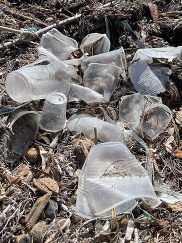
Alelí Environmental has been documenting single use plastics on their beach cleanups and monitoring events for many years now. They have been collaborating with different groups on this events, including Finca Higuaca Corp. who shared this picture with us from a January 2024 event in Guánica. Photo credit: Finca Higuaca Corp.
|
|
|
A summer without a footprint … a restaurant alliance to reduce single use plastics
By Glenis Padilla, Alelí Environmental Inc.
A summer without a footprint… this is the campaign goal of a unique restaurant alliance effort in the town of Guánica, Puerto Rico, that will take place from April – August 2024 to benefit our coastal ecosystems. Guánica is best known for its stunning sandy beaches and coastal dry forest. Guánica is also one of the most disadvantaged communities in Puerto Rico, with a recent past marked by a Category 4 hurricane in 2017, a magnitude 6.4 earthquake in 2020, and the COVID-19 pandemic. Furthermore, the Guánica municipality has various sensitive coastal areas overburdened by marine debris and plastic pollution. The socio-economic, psychological, and environmental scenarios are indeed complex. However, a team of local leaders who have supported the community for years have decided to focus on tangible solutions to organize, mobilize, and spearhead community-focused initiatives to tackle the challenges at hand. This year, a group of local environmental leaders of the south region with the support of NOAA, Villanova University, and the Marine Debris Foundation are leading a pilot campaign entitled Comida sin Huella (Food without a Footprint), to support four to six local restaurants to become plastic-free establishments by investing in the use and reuse of lunch boxes and Biodegradable Products Institute certified compostable items, provide incentives to transport organic waste to biodigesters and composting facilities in the region, and lift consciousness about the environmental, economic, and health impacts related to marine debris and plastics. When you visit Guánica, support our local businesses and our plastic-free campaign.
|
|
2024 St. Croix Cay Cleanup and Great Mangrove Cleanup Remove a Combined 1,602 pounds of Trash from Ruth Cay and the Altona Lagoon’s Mangroves
by Zola Roper, U.S. Virgin Islands DPNR-CZM Marine Debris Coordinator
|
|
On Friday, February 23, 2024, a team of 10 individuals from the University of the Virgin Islands (UVI) and the Department of Planning and Natural Resources (DPNR) conducted the 2024 Ruth Cay Cleanup off of St. Croix, U.S. Virgin Islands. Together, this team removed 447 pounds of trash which included a total of 809 debris items. The most commonly found item was single-use plastic beverage bottles, of which 186 were removed. One of highlights of this cleanup included the removal of a large, 240 pound industrial rope found along the south shore of the cay. |
|
|
The 2024 St. Croix Great Mangrove Cleanup was sponsored by UVI, the Virgin Islands DPNR, Virgin Islands EPSCoR, Atlantic Trucking, and the NOAA Marine Debris Program.
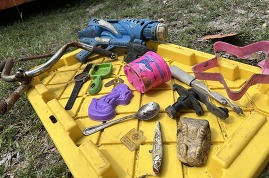 Some of the weird marine debris items found during the 2024 Altona Lagoon Great Mangrove Cleanup. Photo credit: Kristen Wilson, UVI
|
|
Following the cay cleanup, on February 24, 2024, 29 community volunteers, from 2 years old to 65 years young, participated in the 2024 St. Croix Great Mangrove Cleanup. Together the volunteers collected 2,683 debris items from along the mangrove shoreline in Altona Lagoon, removing 1,155 pounds of trash and lingering hurricane debris from the mangrove roots.
|
|
|
By number, the top three items removed were single-use beverage bottles (723 total; 319 plastic, 274 glass, and 130 metal cans), food wrappers (334) and plastic bottle caps (244). There were also quite a number of weird finds, including two full-size bathtubs, a washing machine, and children’s toys (i.e., water guns and half of a toy crocodile head). In the U.S. Virgin Islands, most marine debris comes from sources on land. The good news is that community members can make a big difference when it comes to reducing marine debris by limiting their use of single-use items, re-using items, or making sure that items that must be thrown away end up in the proper waste receptacle, rather than the environment.
The event builds on the success of previous Great Mangrove Cleanups that have occurred on St. Thomas, St. John and St. Croix, since 2018. Factoring in the 2024 events, these cleanups have engaged hundreds of volunteers who removed more than 14 tons of marine debris (28,161 lbs!) from territorial shorelines.
“I love knowing I can make an immediate difference at these cleanups while providing long-term benefits for mangroves and marine life! ” says UVI undergraduate student, Savannah Carroll.
You can join the team for the St. Thomas Great Mangrove Cleanups on Saturday April 20 in Vessup Bay. Community service hours are available for these events. To learn more about marine debris cleanup efforts in the Territory please contact Zola Roper at zola.roper@dpnr.vi.gov or visit https://www.viepscor.org/gmc-registration to sign up for the April event.
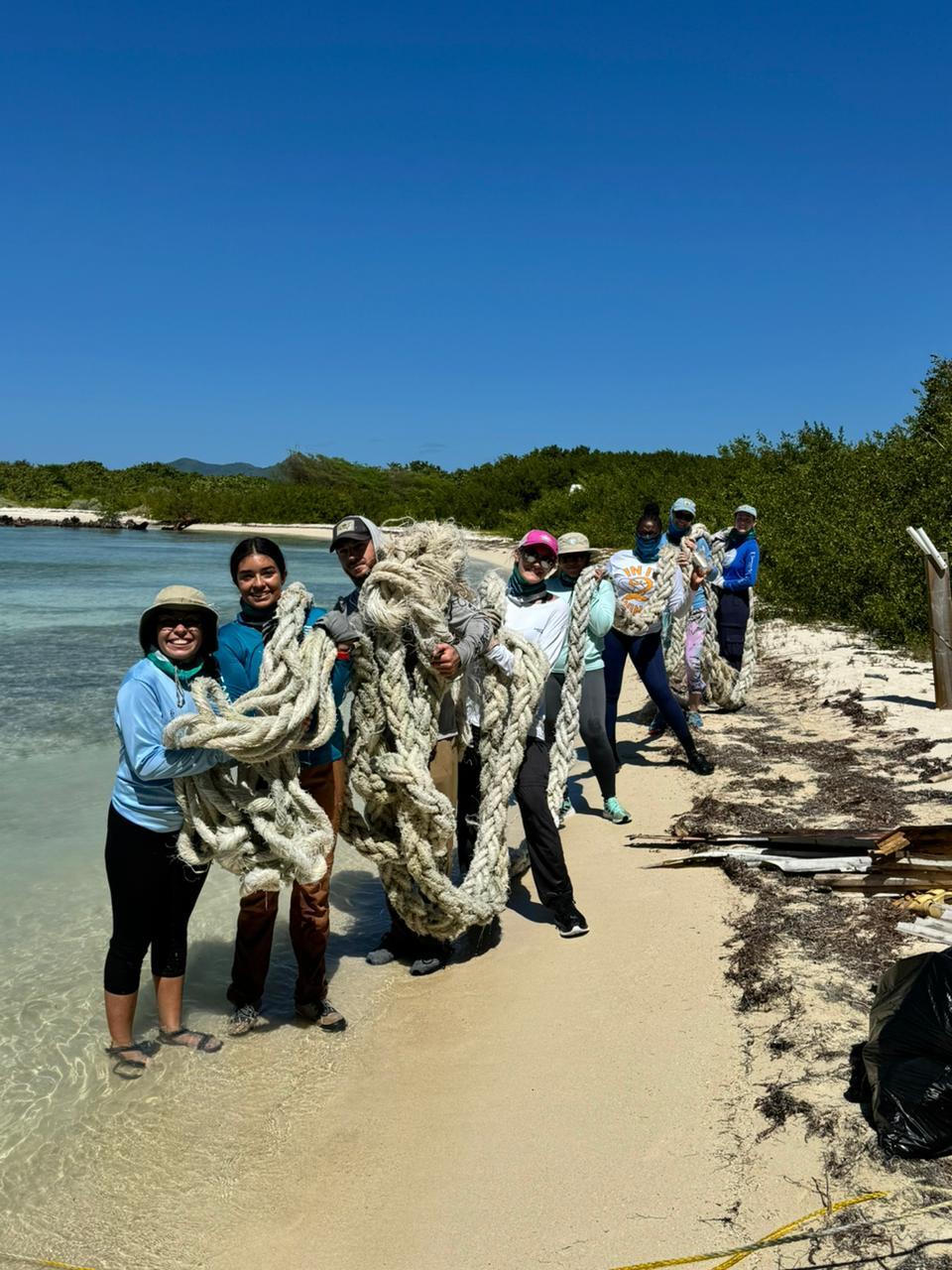 Members of the DPNR and UVI successfully remove a large commercial boat rope during the Ruth Caye Cleanup. Photo credit: Juan Cruz, DPNR
|
|
From the Desk to the Field: Learning from MDP Caribbean Grantees
By Gina Digiantonio, Grants Management Specialist, NOAA Marine Debris Program/Genwest System Inc.
|
|
|
As a Grants Management Specialist contractor for the NOAA Marine Debris Program, I can usually be found working behind my computer screen on grant metrics, funding opportunities, administrative paperwork, and grantee check in calls. But from February 23 - 28, I had the opportunity to travel to the U.S. Virgin Islands and Puerto Rico with Yaritza Rivera, our Caribbean Regional Coordinator, to meet with Caribbean grantees in person.
Yaritza and I participated in the Great Mangrove Cleanup at Altoona Bay that was run by the U.S. Virgin Islands Department of Planning and Natural Resources and the University of the Virgin Islands. Manually hauling debris out of the mangrove environment gave me a new perspective on the “pounds of marine debris” that grantees report. Each pound removed from the environment requires planning, coordination, and personal effort.
In Puerto Rico, the Scuba Dogs Society team took us to a completed removal site in Playita as well as a final clean up location in Las Margaritas, both sites in the San Juan Estuary Bay. I could tell these grantees had strong connections to these communities and used their efforts to provide tools for the community members to create more vibrant public spaces.
We also met with project members from Isla Mar Research Expeditions, HJR Reefscaping, and Puerto Rico Department of Natural and Environmental Resources. We are excited for the many impactful abandoned and derelict vessel outreach and removal activities they have planned!
This experience was energizing in so many ways. I have a greater appreciation for the on-the-ground effort you all do, and for the environmental and human benefits that result from NOAA Marine Debris Program funding. Please remember to keep an eye on the NOAA Marine Debris Program website for future funding opportunities.
|
|
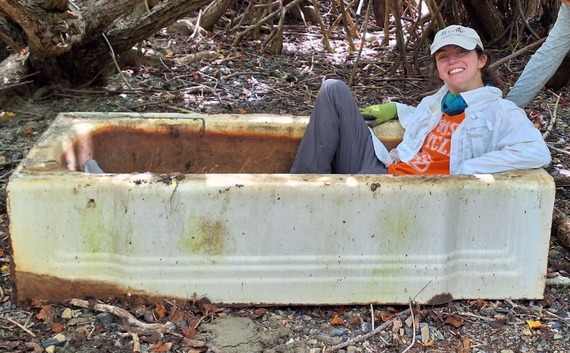 Gina enjoyed being part of removing one of the many weird items found during the Great Mangrove Cleanup event in St. Croix. Photo credit: NOAA
|
|
Have you Heard About Marine Debris Monitoring in the Caribbean? |
|
|
I bet you have! One year ago, in the March 2023 Newsletter issue, we shared information on a series of trainings offered in St. Thomas, U.S. Virgin Islands, and the municipalities of Cataño and Mayagüez, Puerto Rico. We wanted to follow up on what has been happening.
We completed a full year of sampiling in Guanajibo, Mayagüez, and here is what we have found: most of the debris is plastic, mainly hard plastic fragments, followed by cigarette butts (see graphic below). Items of concern included some syringes and medical waste. During the year of sampling in Guanajibo, we trained and received help from different organizations including Steve Tamar and Celeste Lindsey from Surfrider Foundation, Rincón, Vanessa Ramírez from the Puerto Real Commercial Fishermen Association, Cabo Rojo, and Kurt Miller from Fungi of Puerto Rico.
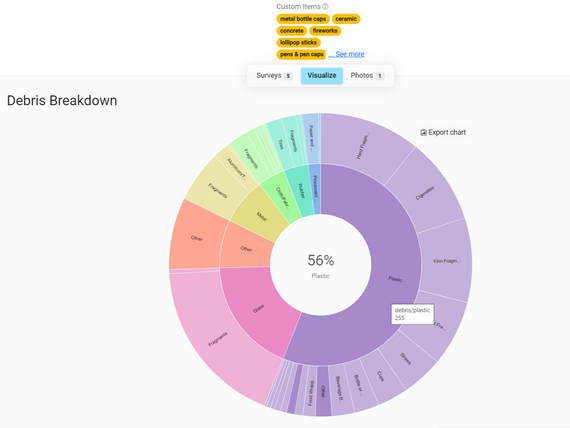 Breakdown of marine debris monitored in Guanajibo after five quarterly visits from February 2023 through February 2024. This is still an active station and it is used to train people that want to start monitoring in other places. Graphic downloaded from MDMAP.
Two new monitoring sites in Aguada y Aguadilla, Puerto Rico, have been added by Conservación Costera during the past year. For upcoming monitoring dates on these sites or if you are interested in starting monitoring on a new site in Puerto Rico, reach out to Yaritza.Rivera@noaa.gov. If you are interested in the U.S. Virgin Islands, you can reach out to Zola Roper (zola.roper@dpnr.vi.gov).
As a reminder, the Monitoring Toolbox has the resources you need to begin your own monitoring, even tutorial videos both in English and Spanish. For questions on this, please reach out to Hillary Burgess (Hillary.Burgess@noaa.gov), the NOAA Marine Debris Monitoring Coordinator.
|
|
 |
|
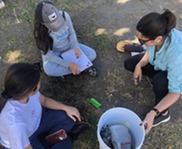
Participants of the February 2023 MDMAP training classifying the debris. Photo credit: NOAA |
|
|
The EPA is Inviting the Caribbean Community to their "Community Change Grants" Webinars
The U.S. Environmental Protection Agency (EPA) will host a series of webinars on the $2 billion Community Change Grants Notice of Funding Opportunity (NOFO) funding focused on target investment areas (TIAs).
TIA C: Territories (specifically Puerto Rico and U.S. Virgin Islands)
If you have questions, please contact Karina Baker by email at baker.karina@epa.gov
|
|
|
March 18, 2024, 3:00 PM AST
Register here
This seminar will focus on Puerto Rico and the U.S. Virgin Islands. It will last between 60-90 minutes and will cover content similar to what is in the NOFO, application requirements, eligible projects and activities, and additional useful information specific to Puerto Rico and the U.S. Virgin Islands. Although it will be in English, there will be live interpretation services in Spanish and sign language.
|
|
April 2, 2024, 6:00-8:00 PM AST
Register here
Online seminar in Spanish focused on Puerto Rico only. It will discuss in detail the documents that must be prepared, vital information that must be included in the proposal, how to justify that the project will be carried out in a disadvantaged community, alternatives available to organizations that lack the capacity to obtain million-dollar grants, and options for technical assistance.
|
|
|
In both seminars there will be a question and answer session for the audience. Please note that EPA will not be able to answer specific questions about individual applications or offer comments on the merits of an application or an applicant's competition strategies. For more information about NOFO, visit the EPA website.
|
|
The National Park Foundation and National Park Service on RFP - Plastic Waste
The National Park Foundation and National Park Service have just issued a request for proposals (RFP) for projects centered around source reduction and circular economy initiatives to reduce plastic waste in National Parks.
Applications are open from March 7 - April 18
To access the RFP click here
|
|
 Blue cristal waters at Sandy Point Refuge, St. Croix. Photo Credit: NOAA
|
|
|
|
|