 Consumer reviews, or firsthand accounts of travelers’
experiences at a property, often carry considerable weight in the hotel
selection process. A five star rating on sites like TripAdvisor or a property’s
website accompanied with a raving review can give travelers the push they need
to book a stay. Unfortunately, not all online reviews come from legitimate
sources.
According to a recent Accenture study, 65% of customers
trust the reviews on review sites and 52% trusted the reviews on a hotel branded
site. This USA
Today article, however, reveals, “experts estimate that anywhere from
one-third to one-half of the reviews you see are not real.” As a result,
travelers are unknowingly taking a risk by staying at a hotel that may not meet
their expectations based on false pretenses.
When reading reviews online, follow these few tips to spot a
fake:
- Check the reviewer’s record to see if they have
a history of posting reviews, as fakes are often posted by accounts with little
review history.
- Look for reviews with photos accompanying text,
as these are more likely to be real.
- Keep an eye out for extremes. An extremely
positive or extremely negative review with a lot of detailed superlatives is
most likely a fake.
For more information about how hotels, governments, and
companies like Amazon are fighting this issue, read the full article linked above.
Back to top
|
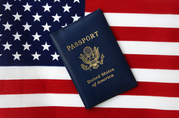 Travelers’ proof of identification requirements to board federally regulated commercial aircrafts have changed in 2016. In January, Homeland Security will implement the first stage of the REAL ID Act, including four successive three month phases as outlined here.
According to the act, driver’s licenses from several states including Alaska, California, Illinois, Minnesota, Missouri, New Jersey, New Mexico, South Carolina, Washington state, Puerto Rico, Guam, and the U.S. Virgin Islands, will no longer be considered acceptable to clear airport security. The licenses from these states failed to provide enough security features in the application process to comply with the REAL ID Act, originally passed by Congress in 2005. There will be a three month grace period for agencies to provide notice that the rules will be changing, during which travelers will still be able to use their current form of identification for access. For more details and information, please click here.
Also new in 2016, the State Department
eliminated the 24-page inserts for passports effective Jan 1. Travelers with a full U.S. passport will need to purchase a new passport that offers either 28 or 52 pages. Passports are valid for 10 years. On the year before your passport’s expiration date, be sure to check the rules for your destination, as many now require a passport be valid for three to six months after your departure date.
Back to top
|
 Are you interested in learning more about our program? Check out and share our quick three minute informational video for travelers to learn some quick facts and details about FedRooms!
This YouTube video
features helpful program information regarding the number
of participating properties, chains, cities, amenities, rate guarantee and
more..
Always book a FedRooms property and request the
Fedrooms rate for the best rates and amenities!
|
Back to top
|
|




 Follow FedRooms on Facebook