Nutrition Times - Native American Heritage 2020

isobar no line 600 px

Nutrition Times

                                                               Native American Heritage Special Edition - November 2020

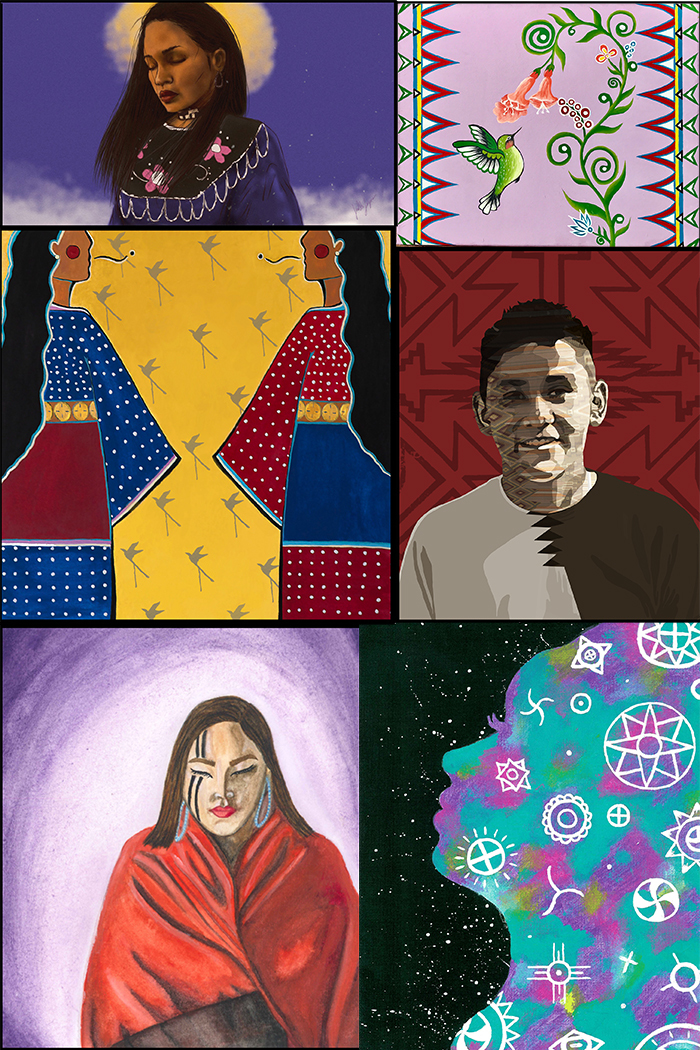
Native Youth Art

USDA Celebrates Native American Heritage Month

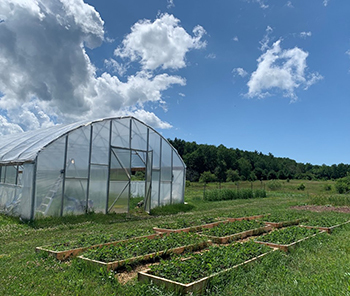
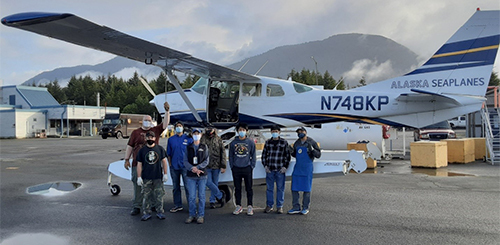
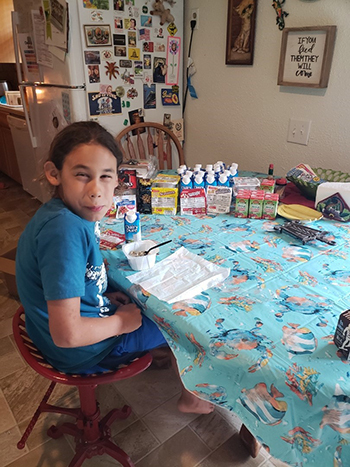
The USDA gives thanks to the profound history and contributions of American Indian and Alaska Native people. In this edition we share stories and resources about food, nutrition, and health in Indian Country, including some of our USDA programs like Farm to School, Farmers to Families Food Box, and school meals.

Pictured: Artwork by Native youth as part of the Center for Native American Youth's (CNAY) Creative Native Call for Art competition. Artist names clockwise from top left: Joelle Joyner (Meherrin, Cherokee Nation, and Blackfeet), EllaMae Looney (Confederated Tribes and Banks of Yakama Nation), Darby Raymond-Overstreet (Diné), Danielle Reyse Fixico (Chickasaw, Muscogee Creek, Choctaw), Ayebah Wilson (Diné), Elizabeth Morgan (Kiowa Apache).

CNAY works to improve the health, safety, and overall well-being of Native American Youth. As part of their State of the Native Youth Report, CNAY found that Native American adolescents are 30% more likely than non-Hispanic whites to be obese. Native Americans have the highest rates of diabetes with approximately 15% of American Indian/Alaska Natives diagnosed with Type II diabetes. 

Click here to read the full report

Did You Know?

5.2 million
There are approximately 5.2 million American Indian and Alaska Natives (AIAN) in the U.S. today. That’s about 1.5 % of the population. (U.S. Census)

574
There are 574 federally recognized AIAN tribes and villages.

22% vs. 78%
Approximately 22% of America’s 5.2 million Native Americans live on tribal lands. Today, 78% of Native Americans live off-reservation, and 72% live in urban or suburban environments.

60,083
AIANs operated approximately 60,083 farms, comprising over 58.7 million acres of land, and conducted $3.33 billion in total sales, with $1.43 billion from crops and $2.11 billion from livestock and poultry.

25.6%
Only 25.6% of the population on tribal reservations live one mile or less from a grocery store; for the US population, that number is 58.8%.


Resources

SNAP-Ed Toolkit - A searchable database of over 100 evidence-based nutrition education curricula.

USDA Office of Tribal Relations newsletter- Click to subscribe

Grants

FY 2021 Farm to School Grant Program (Closing date: 01/08/21)