|
Being All She Can Be
Olivia Rozier brings lessons learned from military to FAA
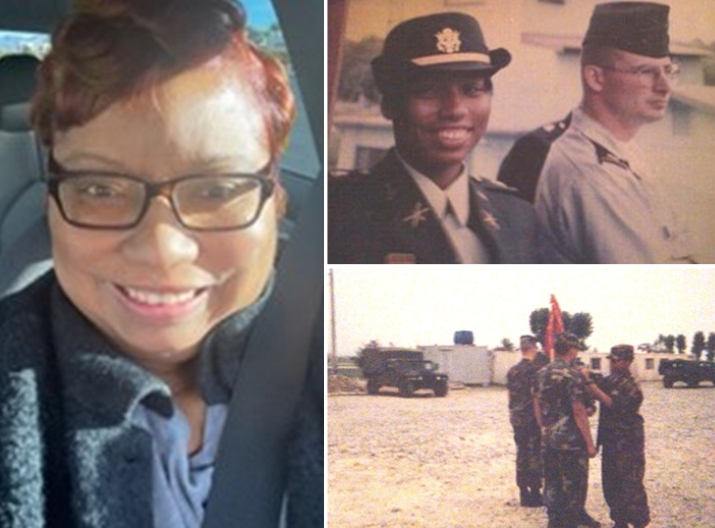
Some people enlist in the military to accomplish a personal or professional goal. For others, it’s to see the world or expand their educational and career horizons. For Olivia Rozier, aviation safety technician at the Las Vegas Flight Standards District Office, it was to follow in the footsteps of her parents — both of whom served in the United States Army.
After serving two years with the U.S. Army Reserves, followed by seven years of active duty, Rozier explained how the lessons, skills, and values she learned helped her excel at the FAA. “My military experience taught me about effective communication, time management, and emotional intelligence. It’s helped me not only be able to de-escalate and resolve difficult situations but also better prioritize tasks to ensure timeliness in completion,” Rozier said.
As an air defense artillery officer, Rozier provided support as a launcher platoon leader for PATRIOT missile systems. Later, she would transition to serve as an adjutant general officer in the human resources field. “Some of my proudest moments were when I was providing human resources support,” Rozier said. “In addition to assisting with reenlisting soldiers, I helped them with personal issues such as navigating the paperwork and processes of assigning power of attorney, preparing documents and packages for promotions, and even drafting living wills.”
Rozier has been proudly supporting aviation safety as a member of the FAA for the past nine years. “When I was in the Army, I was able to take care of my fellow service members. As a part of the FAA, I’m able to not only take care of my co-workers, but the public as well. I’m proud to be part of a truly great mission — ensuring our airways remain safe,” Rozier said.
Read more about Olivia Rozier's military service journey on FocusFAA.
 Reflections on Service: To honor the nearly 16,000 U.S. veteran employees at the FAA, we invite you to participate in Veterans Week – submissions are due October 10.
|
|
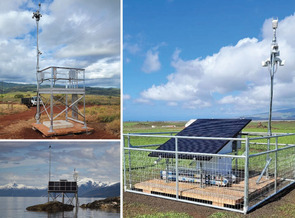 Camera images at 555 sites provide near real-time visual weather information at various departure and destination airports and en route locations across Alaska, Hawaii, Colorado, Montana, Maine, Mississippi, Michigan, Utah and New Jersey. In remote areas, weather camera images provide users with a live look at existing weather conditions that would be unavailable to obtain otherwise. The program is in negotiations with several other states for future operations. “The FAA weather camera program is a valuable asset for aviation safety,” said Daniel Cohl Pope, Weather Camera Program manager. “Its benefits extend beyond aviation as the data collected contributes to weather research and forecasting.”
|
Sys Ops Responds to Maui Wildfires
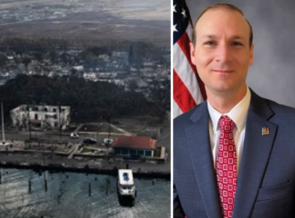
When historic windswept wildfires scorched the Hawaiian island of Maui in August, System Operations employees were there ready to respond. Coordinating with local air traffic control and the System Operations Support Center was critical to helping first responders, the Department of Defense and law enforcement officials. One of the many people who came together in response to the crisis was Parker Corts, senior representative at the U.S. Indo-Pacific command. “Although I am the only Sys Ops member here, I am not alone in Hawaii,” Corts said. “My FAA ‘ohana’ [family] is working hard behind the curtain to make sure the people of Maui can receive the help they need quickly.”
|
|
Early Release Today: In recognition of the federal holiday, Secretary Buttigieg approved a 3-hour early release.
DOT Cybersecurity Forum: Sign up now to join cybersecurity leaders from across government and industry.
Give Happy! This week’s CFC cause is Education – here's how your donation could help students and teachers across the country, and beyond.
|
|
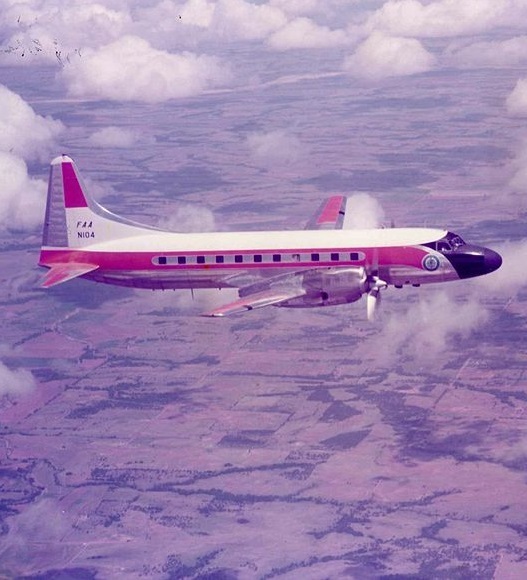
October 6, 1956: Upgrading its fleet of flight inspection aircraft, CAA announced that it would obtain five Convair 440s, with delivery in Dec 1957 and Jan 1958. To calibrate and evaluate the performance of airway navigation aids, the agency had previously used DC-3s and Beech 18s, which had an operating ceiling of only 12,000 feet. The pressurized Convairs (later re-engined to the Convair 580 configuration) permitted testing in altitudes up to 20,000 feet. For higher altitudes up to 50,000 feet, the agency had already borrowed two Martin B-57s from the Air Force, and began operations with these in 1957. During 1956-57, CAA also obtained 40 more surplus DC-3s, most of which were eventually modified for flight inspection duty. Other changes to the flight inspection fleet in this era included the acquisition in 1958 of the first two of five Lockheed L-749 Constellations, which were used primarily in the Pacific area. |
|
|
|
|