|
|
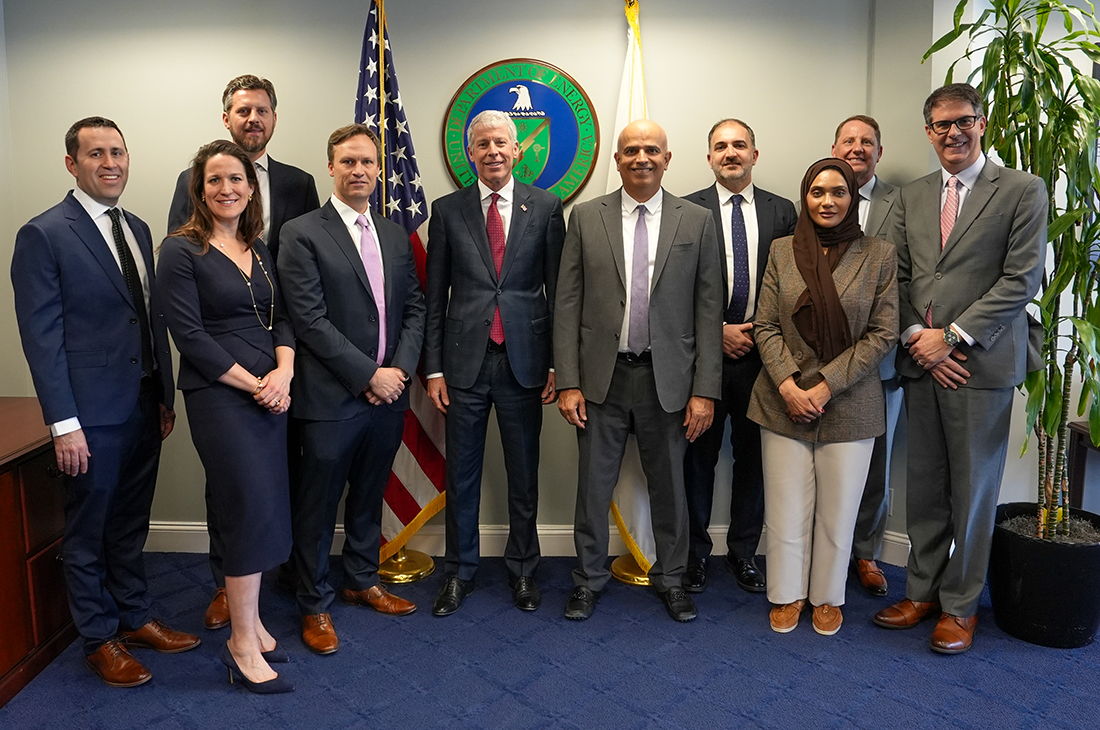
U.S. Secretary of Energy Chris Wright recently joined executives of Century Aluminum to celebrate progress toward constructing a primary aluminum smelter in Inola, Oklahoma—a project supported through a grant from the U.S. Department of Energy (DOE). Once complete, the plant will be the largest-ever primary aluminum production plant in the U.S., with the potential to produce over 500,000 tons of high-quality, primary aluminum per year—including approximately 20,000 tons of high-purity aluminum suitable for national defense applications. In 2025, DOE’s Office of Clean Energy Demonstrations (OCED) awarded $500 million to advance construction of the first new primary aluminum smelter in the United States since 1980. This project demonstrates the economic viability of domestic smelting and reduces dependence on foreign imports.
|
|
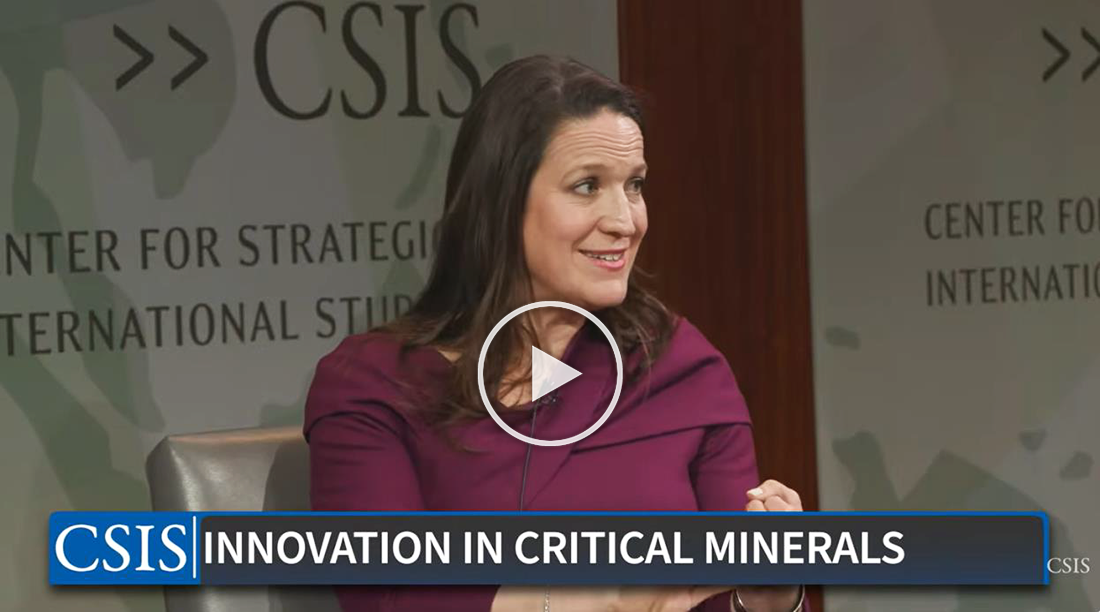 Building a Resilient Critical Minerals Ecosystem: A Fireside Chat
Assistant Secretary of Energy Audrey Robertson sat down with the Center for Strategic and International Studies for a fireside chat on innovation in critical minerals.
|
|
|
DOE recently announced the launch of the Genesis Mission Consortium, a historic public-private partnership advancing the Department’s Genesis Mission to harness the power of artificial intelligence (AI) to accelerate scientific discovery, strengthen national security, and ensure America leads in energy and emerging technologies. Building on President Trump’s Executive Orders Launching The Genesis Mission and Removing Barriers to American Leadership In Artificial Intelligence, the consortium brings together technical capabilities and expertise from the Department of Energy, National Laboratories, private sector leaders, and academic institutions to usher in a new era of science and technology exploration. For more information on the Genesis Mission Consortium and how to get involved, visit www.genesismissionconsortium.org.
|
|
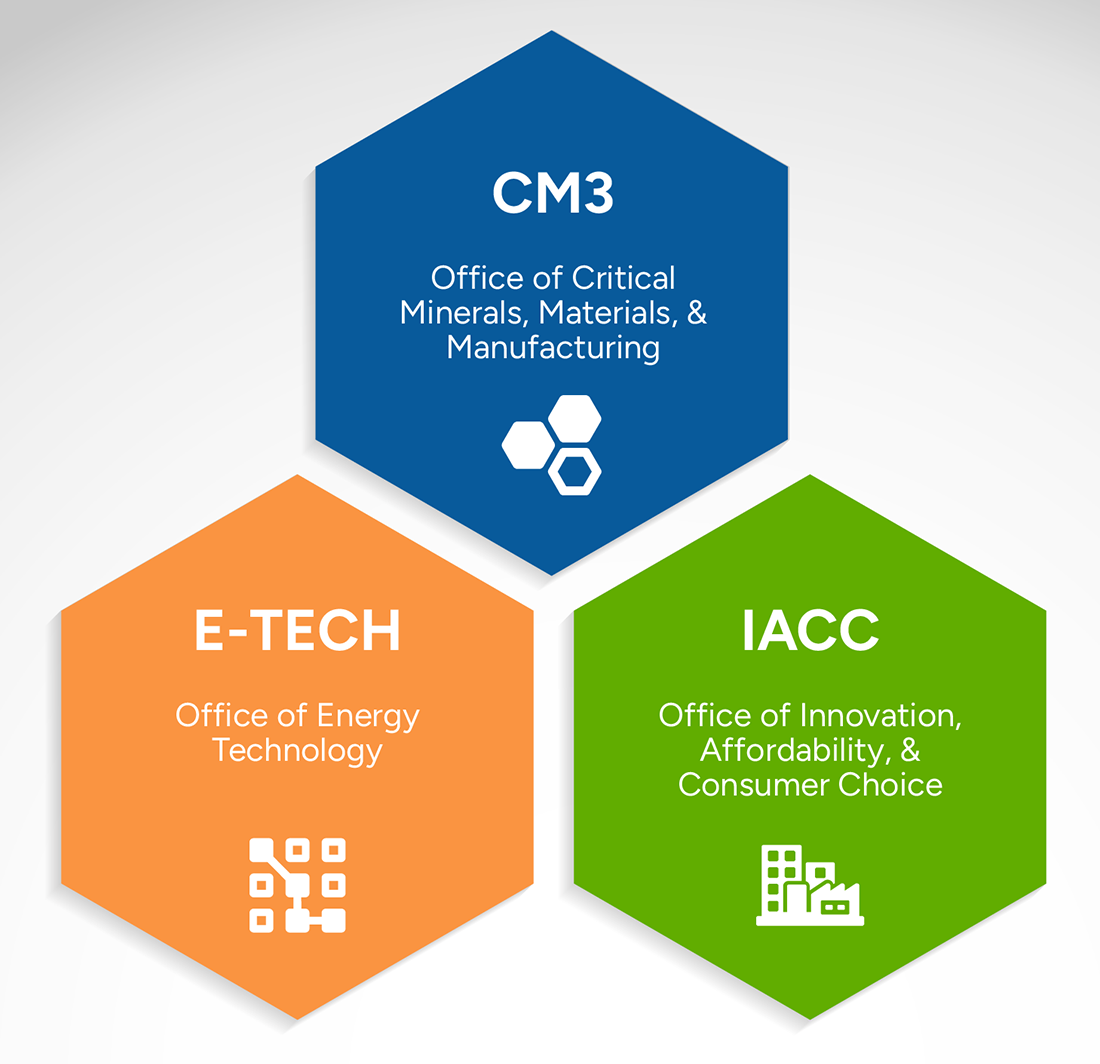
DOE's Office of Critical Minerals and Energy Innovation (CMEI) recently formalized the realignment of a range of programs related to critical minerals, manufacturing, federal codes and standards, and energy technology research and development. This realignment reflects the Trump Administration’s commitment to fortify America’s critical mineral supply chains to strengthen national security, promote affordability and consumer choice, and reestablish American leadership in energy innovation. CMEI is now divided into three pillars, each of which is led by a corresponding Deputy Assistant Secretary.
The Office of Critical Minerals, Materials, and Manufacturing accelerates mining activities, diversifies supply chains for critical minerals and metals, expands battery and magnet research, stimulates innovation in processing and metallurgy, and facilitates the recycling of black mass, battery materials, and other critical minerals.
The Office of Energy Technology continues to lead the world in research and development for cutting-edge energy technologies, fuels, chemicals, and hydropower. This office also drives the commercialization and deployment of technologies that enhance energy networks across the United States and reduce the cost of energy for American ratepayers.
The Office of Innovation, Affordability, and Consumer Choice exercises DOE’s appliance standards and building codes authority, with an emphasis on fact-based analysis, process transparency, and consumer choice and affordability. The office also oversees and manages multiple state and community energy and weatherization programs. This office promotes innovation and the adoption of new and beneficial technologies for buildings and industrial applications.
The realignment of CMEI’s constituent programs follows the renaming and reorganization of the office in November 2025.
|
|
|
CMEI selected 16 projects that will enhance the capability of the U.S. National Laboratories to develop technologies that improve the efficiency and competitiveness of American industry. These expanded lab capabilities will drive process and technological innovation, reduce costs, and increase prosperity for American workers and consumers. The selected projects will address critical industrial challenges in energy-intensive industries like iron and steel, cement, chemicals, forest products, and food and beverage, as well as cross-sector technologies like industrial process heating, membrane separations, load flexibility, and advanced computing.
|
|
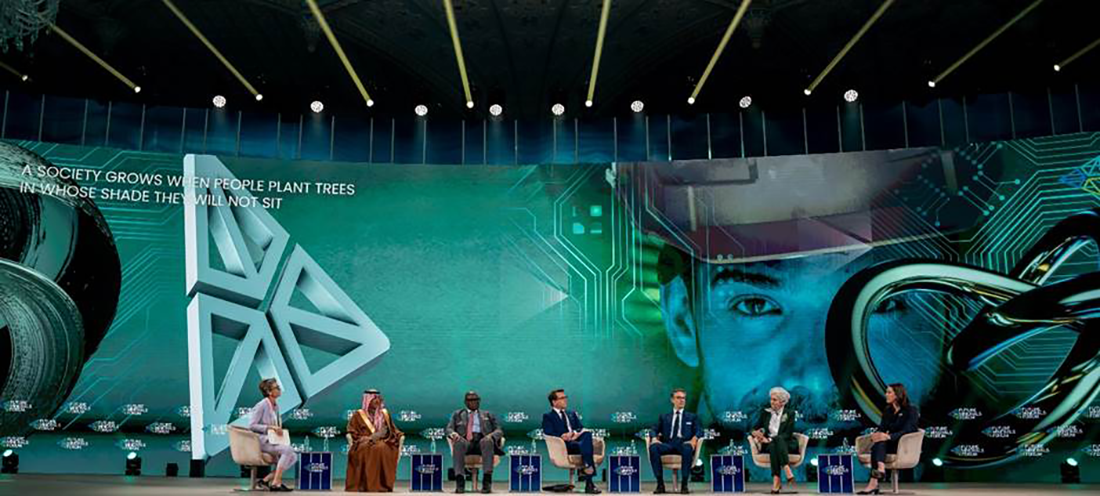
2026 Future Minerals Forum in Saudi Arabia
In January, Assistant Secretary of Energy Audrey Robertson traveled to Riyadh, Saudi Arabia, for the 2026 Future Minerals Forum. Attended by governments and corporations from around the world, the Forum has become the premier global platform for critical minerals. As leader of DOE’s delegation, Assistant Secretary Robertson reaffirmed that international collaboration can help bring stability to the global mineral supply and help modern economies flourish. “Securing and diversifying supply chains through domestic production, allied partnerships, and commercial investment is a priority of the Trump Administration,” said Assistant Secretary Robertson. “These measures will help us ensure the United States and American companies have reliable, fair, and affordable access to critical minerals.”
|
|
Pacific Northwest National Laboratory Welcomes Assistant Secretary Audrey Robertson
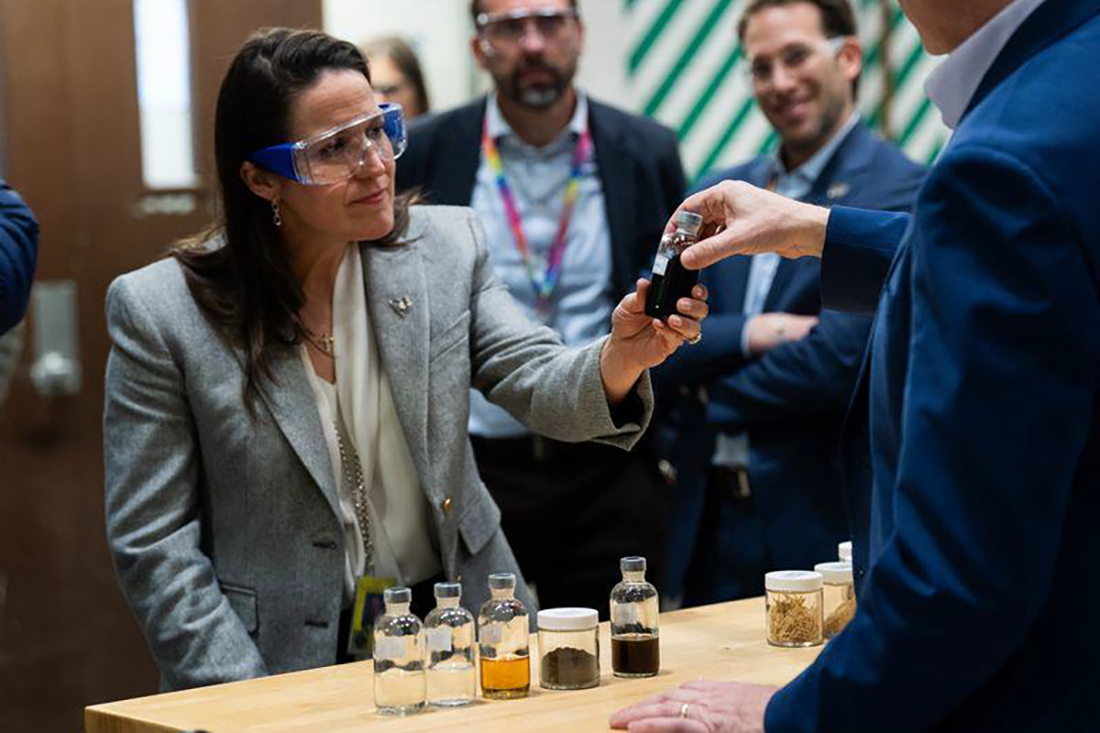
Assistant Secretary of Energy Audrey Robertson, head of U.S. Department of Energy Office of Critical Minerals and Energy Innovation recently visited PNNL where she learned how the Lab is addressing some of the nation’s most pressing energy challenges. This includes helping industry commercialize promising technologies to bring affordable options to consumers and support American industrial competitiveness and objectively evaluating all energy options that improve energy technology, system reliability, and security.
|
|
Visiting National Energy Technology Laboratory (NETL)
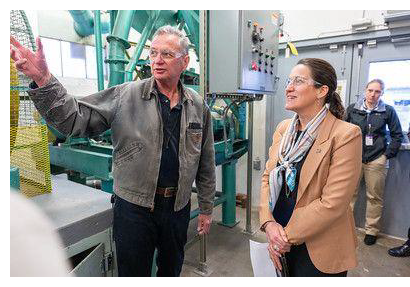
Recently, the National Energy Technology Laboratory (NETL) welcomed Assistant Secretary of Energy Audrey Robertson for a tour of the facilities and a look into the critical minerals projects currently in the works. Throughout her day at NETL, Assistant Secretary Robertson participated in discussions and met the brilliant minds behind the research and development that will influence our nation’s energy future.
|
|
|
|
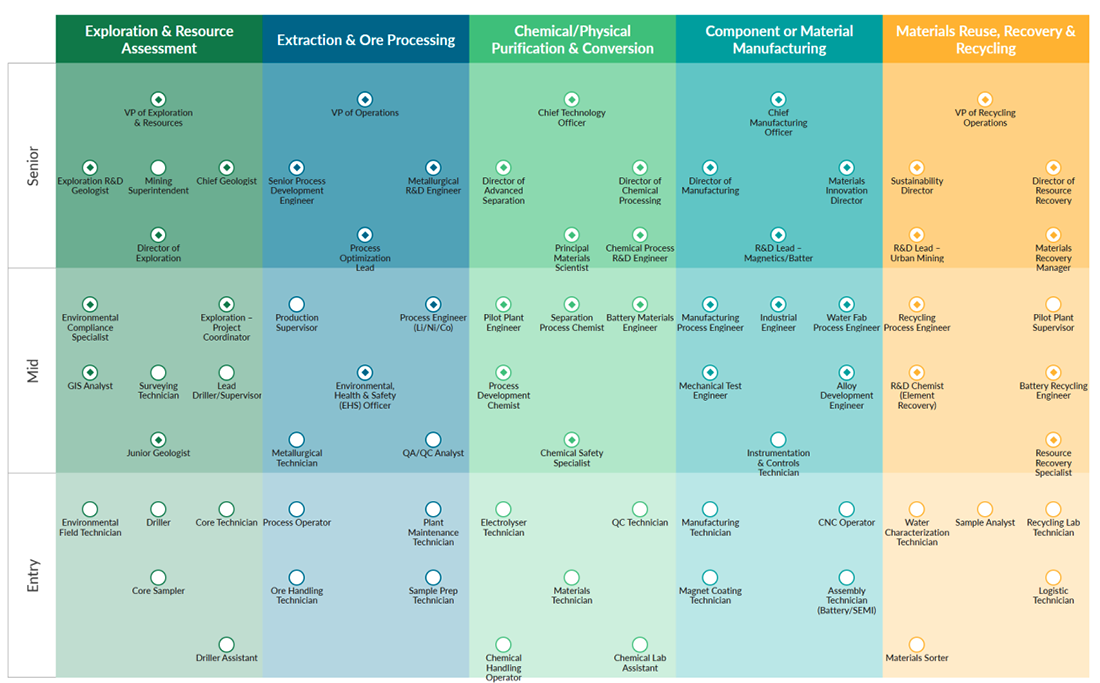
The Advanced Materials and Manufacturing Technologies Office (AMMTO) recently unveiled a critical materials career map designed to demystify this complex sector by highlighting the variety of roles, essential skills, and potential career pathways required to support and expand a robust domestic critical materials industry. Collaborating with the National Laboratory of the Rockies and Julius Education, AMMTO developed the career map for educators, career advisors, job seekers, employers, policymakers, and workforce development professionals. The career map is a tool to raise awareness and interest for the types of skills, roles, and experiences expected when working in the critical minerals and materials sector. The breadth of disciplines and opportunities underscores the urgent need to expand U.S. domestic workforce training and career development pathways to meet surging global demand for critical materials, especially those necessary for advanced manufacturing and national security applications.
|
|
|
You are receiving this email because you subscribed to the U.S. Department of Energy’s Weekly Jolt distribution list. To update your subscription preferences or unsubscribe from future communications, please use the subscription management link.
This message was sent in accordance with federal email communication guidelines.
|
|
|
|
|