[Climate Adaptation Insights] New "Fish as Food" Data Visualizations
U.S. Geological Survey sent this bulletin at 10/02/2026 10:38 AM EDT
Science Highlights
Fiscal Year 2025 CASC Annual Summary
Explore science highlights, key initiatives, and notable activities carried out by the CASC network in Fiscal Year 2025. Learn More>>
"Fish as Food" Data Visualizations
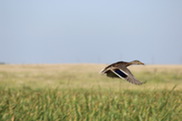
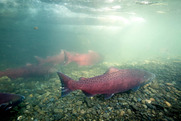
CASC scientists combined their expertise with the USGS Vizlab team to develop data visualizations highlighting recreational inland fisheries harvest. The interactive visuals showcase the nutritional contribution, economic value, and climate vulnerability of inland recreational fish consumption by country and taxa. Learn More>>
Low-Flow, High Stakes: CAP Fellows Review Climate-Driven Flows and Management Across the U.S.
In a new publication, the 2022-2024 CASC Climate Adaptation Postdoctoral Fellows cohort explores how climate-driven low-flows in rivers alter water quality, how those water quality changes influence ecosystem health, and how instream flow management has been used across the U.S. to address these challenges. Learn More>>
An El Niño event is classified as "very strong" when sea surface temperatures in the eastern tropical Pacific Ocean consistently exceed how many degrees above average for several months?
Oregon State University is hiring a Research Associate who will, among other duties, support the CASC Climate Adaptation Technical Services team. Applications due 10/7/26. Learn More>>
The South Central CASC, through its consortium member Oklahoma State University, is seeking applicants for a Postdoctoral Fellow to address research questions related to the impacts of climate change on migratory birds and their habitats in the U.S. Great Plains region. Application review begins 10/30/26. Learn More>>
Ada Answers
D) 2°C: The current El Niño event is shaping up to be particularly strong, with ocean surface temperatures in the eastern tropical Pacific Ocean exceeding 3°C above normal in September, with additional warming expected through autumn and early winter.
Who We Are
The USGS Climate Adaptation Science Centers (CASCs)deliver adaptation science to support natural resource stewardship in a changing world. The program is comprised of the National CASC and nine regional CASCs, serving all 50 states, the U.S.-Affiliated Pacific Islands, and the U.S. Caribbean. This newsletter highlights new research and upcoming events from across the CASCs.