|
Follow us @USGS_Climate on Instagram |
|
|
Deep Dive: Managing for the Future of the Colorado River Basin
 |
|
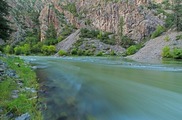
Flowing from the Rockies to the Gulf of California, the Colorado River is known as the lifeline of the Southwest. However, due to shifting precipitation patterns, rising temperatures, and a decades-long drought, less water has become readily available for the communities, ecosystems, and economies that rely on the river’s consistent flow. See how CASC scientists are engaging with resource managers to navigate these challenges and protect the river’s future. Learn More>> |
The Human Side of Recreational Fisheries
 |
|
Multiple CASC authors contributed to a new open access book that explores how social-ecological science can be integrated into the management of recreational fisheries. The book focuses on the human side of fisheries management, exploring how people, fish, and ecosystems interact in recreational fishing. It offers a valuable resource for practitioners and students looking to integrate both social and ecological science to support sustainable fisheries management. Learn more>> |
Ocean Sediments Key to Survival of Northeastern U.S. Salt Marshes
 |
|
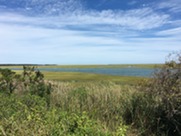
Salt marshes are critical habitats that support fisheries and protect coastal towns from flooding, among other benefits. As oceans rise, salt marshes will require a steady supply of sediment to survive. In a recent study, Northeast CASC-funded researchers used satellite data to show that the ocean is a significant source of sediment for salt marshes in the Northeast U.S., and that some marshes are doing better than others. Learn more>> |
USGS Researchers Partner with Indigenous Communities in Alaska to Better Understand Ecosystem Changes
 |
|
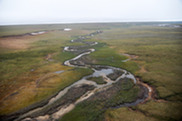
Rivers are the lifeblood of Arctic Indigenous communities, providing cultural, spiritual, and nutritional sustenance. Increasing temperatures are changing snowmelt, river flow, and ice patterns, disrupting aquatic ecosystems and transportation corridors communities rely on. USGS researchers from the Southwest CASC, Alaska CASC, and Alaska Science Center, along with partners, are working to understand the impacts of these changes on Arctic ecosystems and communities by weaving together Indigenous knowledges and methods from western science. Learn more>> |
|
|
|
Apply Now: Southeast CASC Communications & Engagement Manager
 |
|
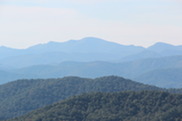
The Southeast CASC is seeking their next Communications & Engagement Manager. Key responsibilities include directing communications such as newsletters, social media, graphic design, and video production, supervising and mentoring student interns and graduate fellows, and developing metrics to evaluate outreach impact. The position is full-time at North Carolina State University in Raleigh, NC and is open until filled. Learn more>> |
Apply Now: Northwest CASC Research Fellowship Program
 |
|
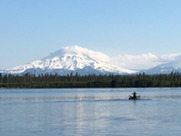
The Northwest CASC is now accepting applications for their 2026-2027 Research Fellowship Program, which supports climate adaptation research for Northwest natural and cultural resource management and provides training in developing decision-relevant science. Each fellow is funded to conduct a one-year research project that aligns with Northwest CASC science priorities and involves resource management partners. The deadline to submit applications is March 9, 2026. There will also be a virtual information session on February 12 at 1:00pm ET. Learn more>> |
Midwest CASC Science Seminar Winter Series
 |
|
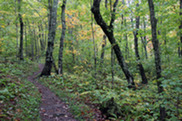
The Midwest CASC is hosting a winter seminar series, with three seminars focused on state forest action plans and climate-smart management (January 26), supporting state wildlife action planning (February 23), and habitat restoration to enhance connectivity (March 23). All seminars will be held at 1:00pm ET. Learn more>> |
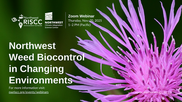
Northwest RISCC Webinar: Northwest Weed Biocontrol in Changing Environments
 |
|
The Northwest Regional Invasive Species & Climate Change Management Network will host a webinar on the impacts of different climate variables on weed biocontrol agents and their success in the Northwest. The event will also serve as the launching point for a working group to address knowledge gaps around Northwest biocontrol in a changing climate. Join the webinar on January 27 at 3:30pm ET. Learn more>> |
2026 Tribal Community Resilience Webinar Series
 |
|
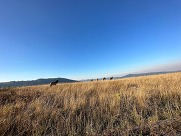
The 2026 Tribal Community Resilience Webinar Series, co-hosted by the American Indian Higher Education Consortium (AIHEC) and the Climate Adaptation Science Centers, will launch in February. This monthly series explores how Tribal Nations are responding to resilience challenges across the U.S. The webinars will explore topics ranging from data protection, food security and fire, to emergency preparedness and resilient infrastructure. Join the first webinar on February 5 at 3:00pm ET. Learn more>> |
Northeast CASC Webinar: Coastal and Marine Climate Impacts and Adaptation Priorities
 |
|
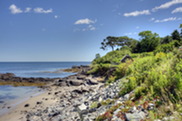
Building on a regional listening session hosted by the Northeast CASC, this virtual event will share key insights from a follow-up survey on coastal and marine climate impacts and adaptation priorities in the Northeast and Mid-Atlantic. Join the discussion on February 26 at 1:00pm ET to discover how these findings can inform future research, collaboration, and management efforts. Learn more>> |
Northeast RISCC Symposium
 |
|
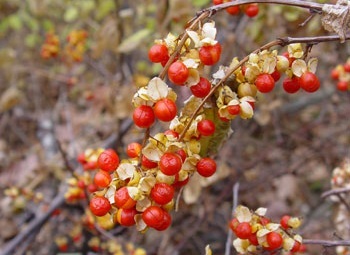
The annual Northeast RISCC Symposium brings together invasive species and climate change practitioners and researchers in the Northeastern U.S. and Central and Eastern Canada to share knowledge and build relationships. The 2026 symposium will be held virtually on March 24-25, 2026, from 10:00 am - 3:00 pm EST each day. Learn more>> |
|
|
|
Paleoscience for Partners: Reconstructing the Past to Prepare for the Future
 |
|
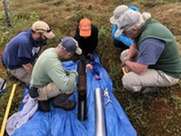
Extreme weather events and changes in climate are threatening the integrity of the critical infrastructure and ecosystems that support society. Paleoscientists from the Land Change Science Program in the USGS Ecosystems Mission Area are using their expertise to build long-term records of past conditions that are informing the decisions, management options, and future planning of partners across the country. Learn more>> |
USDA Cooperative Forum on Invasive Species
 |
|
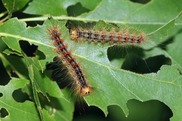
The USDA Cooperative Research Forum on Invasive Species is a platform for scientists, regulators, and cooperators from state and federal government agencies and universities to share progress on and strategies for managing invasive agriculture and forest pests (weeds, pathogens, and insects). The 2026 forum will be held February 24-26 in Annapolis, Maryland. Learn more>> |
|
|
|
Who We Are
The National and Regional Climate Adaptation Science Centers partner with natural and cultural resource managers to provide science that helps fish, wildlife, ecosystems, and the communities they support adapt to a changing climate. This newsletter spotlights CASC science and relevant content from the CASC community of partners.
Learn more about our work at www.usgs.gov/casc. Have questions? Contact us at casc@usgs.gov
|
|
|
|
|