|
We’re excited to launch our very first Water Science School newsletter, set to drop every quarter! This is your go-to spot for all the latest happenings at WSS, along with valuable teaching resources and more. Stay tuned for updates, tips, and inspiration to enhance your educational journey! |
|
 Welcome to Summer!
Welcome to Summer with the USGS Water Science School! As the school year winds down and the days stretch longer, summer is the perfect time for educators to recharge, explore, and spark new ideas for the year ahead. Whether you’re planning next semester’s lessons or just dipping your toes into fresh resources, the USGS Water Science School has you covered. From interactive water cycle tools to engaging activities and data-rich visuals, we’re here to support your science teaching. Dive in and make this summer a season of discovery!
|
|
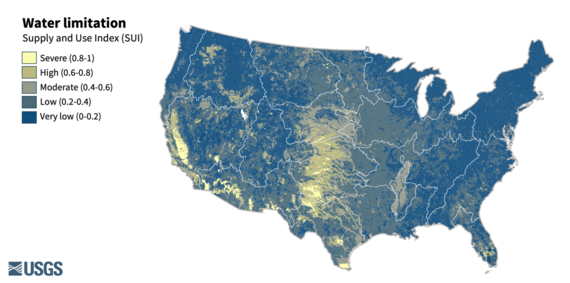
Data can be presented in various ways to convey impactful stories. Understanding data is crucial for scientific literacy, as it allows individuals to make informed decisions, analyze trends, and comprehend the implications of various phenomena on our environment and society. We naturally gravitate toward data that resonates with us personally, especially when it relates to critical resources like water.
The National Water Availability Assessment (NWAA) is the first nationwide evaluation focused on water availability, encompassing aspects such as the quantity and quality of water and its use for human and ecosystem needs. To make this information accessible, an interactive website has been created that highlights key scientific findings from the NWAA report, featuring plain-language explanations and interactive data visualizations.
|
To complement this resource, a series of educational activities has been developed for the classroom, supporting each of the key findings presented on the webpages. These activities aim to enhance students' understanding of the data, content, and significance of water availability information in their local regions. Educators can integrate these activities into their teaching plans, using them to facilitate discussions on local water issues and encourage critical thinking about the importance of water resources in their communities. Overall, these activities provide valuable information along with localized, relevant learning experiences that can spark student interest and awareness.
https://www.usgs.gov/special-topics/water-science-school/water-insights-short-education-activities-explore-nwaa-report
|
|
 In this newsletter, educator Julie Meyer shares how she uses Water Science School resources.
Julie is an experienced science educator with 33 years of teaching expertise, including 24 years in traditional private and public education and six years in online instruction. Their approach emphasizes hands-on, choice-driven, and differentiated learning experiences that foster engagement, critical thinking, and a passion for discovery. They strive to make complex scientific concepts accessible, encouraging students to develop analytical skills, problem-solving techniques, and real-world applications of scientific principles.
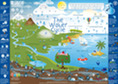
"Engaging students in science requires creativity, adaptability, and meaningful connections to real-world concepts. In this presentation, I will demonstrate how I foster student engagement by utilizing the USGS Interactive Water Cycle Diagram for Kids in innovative ways. By leveraging the differentiated versions - beginner, intermediate, and advanced -I ensure that students of varying skill levels can explore the water cycle at an appropriate depth, making learning accessible and impactful.
Through interactive discussions, inquiry-based activities, and hands-on applications, I integrate the USGS Water Science School resources into the middle school classroom to enhance comprehension and curiosity. My approach encourages students to take ownership of their learning, ask questions, and make connections between scientific principles and their everyday experiences. By incorporating choice-driven exploration and collaborative learning strategies, I aim to ignite a lasting interest in environmental science and empower students to think critically about the world around them."
To learn more about Julie and view one of her Water Science School related lessons go here!
|
|
The USGS’s Virtual Classroom Visits (VcV) program connects our scientists with classrooms across the Nation, through virtual meeting technology. VcV allows USGS scientists to pop in to schools that are not just around the corner.
Sign up now!
|
|
|
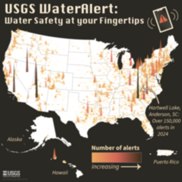
A great resource for staying safe around water this summer is the USGS WaterAlert tool. This free service lets you sign up for email or text notifications about real-time water conditions, like streamflow, river height, or water quality at specific sites across the country. Educators can use this tool to show students how data informs decisions about recreation and safety, especially during changing weather or flood conditions. Explore how to set up alerts at USGS WaterAlert and help your community stay informed and prepared.
https://accounts.waterdata.usgs.gov/wateralert/
|
|
|
|
|
|