|

May 18, 2018
What's Wild
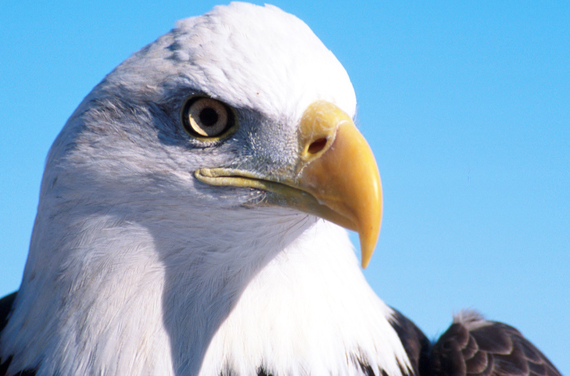 Bald eagle at Rocky Mountain Arsenal National Wildlife Refuge near Denver, Colorado by Rich Keen/DPRA
Celebrate Endangered Species Day 2018
Friday, May 18 is Endangered Species Day. This annual celebration is a time to reflect upon conservation success stories (like the bald eagle!) and raise awareness about the plants, fish, and wildlife that still need our help. Protecting threatened and endangered species ensures that America’s natural heritage will endure for current and future generations.
The U.S. Fish and Wildlife Service not only protects wildlife at risk of extinction, but also works with public and private partners to proactively safeguard species and prevent them from becoming threatened or endangered in the first place. Two examples include ongoing greater sage-grouse and monarch butterfly conservation efforts. Voluntary actions to keep the sage-steppe ecosystem healthy throughout the American west aim to benefit greater-sage grouse and 350 other species, while planting milkweed plants can help many native pollinators in addition to monarchs. States, federal agencies, Tribes, private landowners, businesses, local governments, and nonprofits are each working with the U.S. Fish and Wildlife Service to make a difference for these and other wildlife species across North America.
Explore threatened and endangered species across the United States; find an event near you hosted at public lands, museums, zoos, and aquariums across the country; and apply these eco-tips to discover how you can help the natural world, including rare plants and animals. Together we can all strive to be good neighbors to nature and each other.
Fascinating Bird Feathers
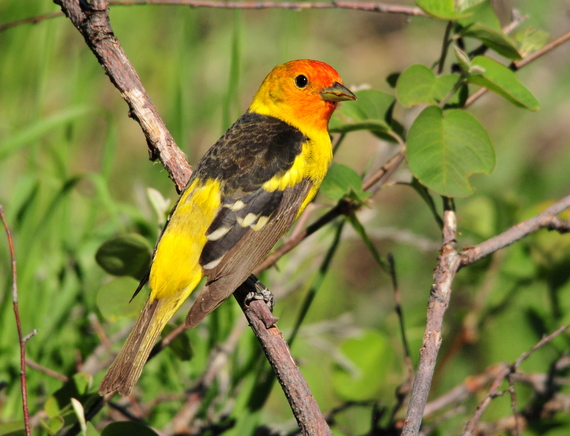 Western tanager at Seedskadee National Wildlife Refuge in Wyoming by Tom Koerner/USFWS
North American Birds Possess A Wide Variety of Colorful and Unique Feathers
Have you ever looked closely at a bird feather? If not, it’s a sight to behold! Feathers not only assist most birds with traveling via flight; they also help birds hunt, evade predators (think camouflage and maneuverability), stay warm, and attract mates. Feathers can provide important clues in wildlife crime investigations too - helping to curb illegal wildlife trade. Furthermore, feathers have cultural and spiritual significance to many individuals and communities. Bald and golden eagle feathers, for instance, are important elements in religious ceremonies of American Indian Tribes.
Discover the importance of feathered feet for rough-legged hawks and other native North American bird species, and explore the brilliant yellow, orange, and scarlet plumage of western tanagers. Take a closer look at the feathers of familiar birds across the United States to learn about their fascinating colors and patterns - from red, brown, blue, and iridescent to spotted and striped! And check out the U.S. Fish and Wildlife Service’s Feather Atlas for more feather identification tips.
Did You Know?
 |
|
Salamanders Migrate During Spring
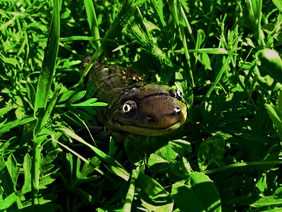
Spring is salamander season! You can help these charismatic critters by knowing they may be crossing roads on wet or rainy evenings, especially in areas near wetlands, when salamanders are on the move searching for a mate. Amphibians, including salamanders, are the most threatened vertebrates on Earth. They play a vital role in healthy environments (eating lots of insects!) and are important indicators of water quality. Discover ongoing amphibian research and efforts to combat a deadly new fungal disease threat.
Photo: Tiger salamander by Spencer Neuharth/USFWS
|
|