|

May 11, 2018
What's Wild
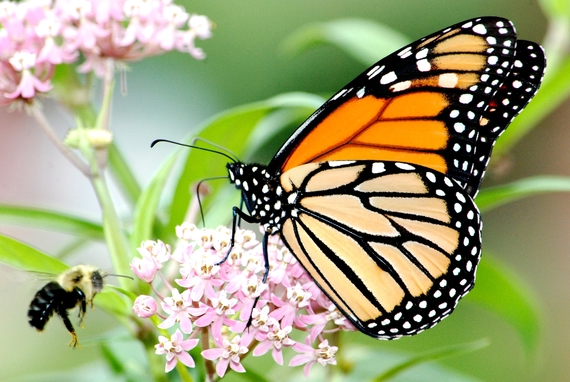 Monarch butterfly and bumblebee on swamp milkweed by Jim Hudgins/USFWS
Help Native Plants and Wildlife by Celebrating National Wildflower Week
National Wildflower Week is celebrated each year during early May. Native plants, including wildflowers, are vital to maintaining healthy habitats. Their natural beauty is matched by their important role stabilizing soil (and preventing erosion), cycling water and nutrients throughout the environment, and providing food for wildlife.
Wildflowers wash across the American landscape each spring, splashing their brilliant colors and sublime spendor at national wildlife refuges across the United States. Pinks, purples, reds, yellows, oranges, and whites are just a few of the vibrant hues you can see.
Meanwhile, hummingbirds, bats, bees, butterflies, moths, and an astonishing diversity of other wildlife actively pollinate North American wildflowers as they blossom and bloom. The United States has 4,000 native bee species alone!
Milkweed (not a weed at all!) is one native plant particularly important for monarch butterflies. It’s the only plant where these iconic orange-and-black insects will lay their eggs. Discover how you can create a native plant garden in seven easy steps and explore additional tips for attracting monarchs to your local community.
Look Out for Nesting Birds
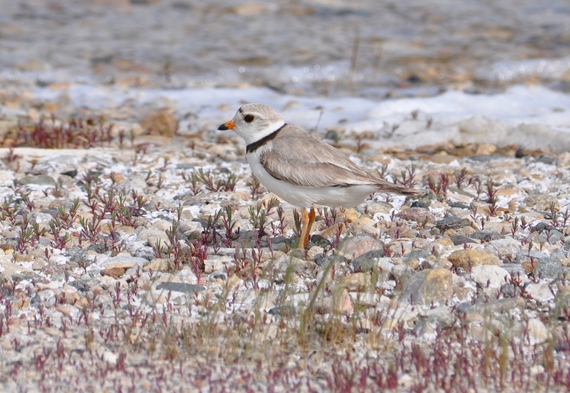 Piping plover by Steven Tucker/USFWS
Many Different Types of Bird Nests Pop Up Each Spring Across the United States
Spring is nesting season, but not all nests are the same. Bird nests can be as diverse as the different birds that create them, varying in shape, size, color, building materials, and location.
Bald eagles have some of the largest nests of all, weighing up to half a ton. Bald eagle nests can reach over four feet wide and three feet deep. Eagles adding to their nest each year may eventually create one 10 feet across! They like nesting in tall trees near coastlines, estuaries, large lakes, rivers, or reservoirs with an ample supply of fish and other prey to feed their eaglets.
Golden eagles prefer nesting on cliffs or tall trees with unobscured views of their surroundings. They can be seen soaring over sagebrush habitat scouring for mammals or other birds to feast on.
Hummingbirds are the tiniest of all nesting birds. Their eggs can be as small as jelly beans. Hummingbirds build their nests using lichens and spiderwebs.
While many birds nest in trees, some nest on the ground - in grasslands, wetlands, or along shorelines. Piping plovers and killdeer are two examples. These small, skittish birds create an inconspicuous nest called a “scrape” by literally scraping a depression in the ground and laying their eggs there. Adults of both species will feign a broken wing to lure predators away from their nests, only to fly away to safety at the last minute.
Learn more about nesting birds across the United States and how to spot them. Explore birding tips for your next visit on public lands (or right outside your home). Discover how birding and wildlife-viewing generates nearly $80 billion in the U.S. economy.
Did You Know?
 |
|
Baby Bison and Magnificent Moms
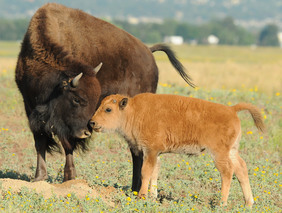
March through May is peak calving season for bison. Calves are born sporting an unmistakable red-orange fur coat, earning them the nickname “red dogs.” It takes several months before young bison begin brandishing their characteristic dark brown coloration, horns, and shoulder hump. In the meanwhile, calves remain under the close protection of their watchful mothers. This Mother’s Day, learn about other hard-working wildlife moms across the United States and discover 14 more fascinating facts about America's National Mammal.
Photo: A bison and calf at Rocky Mountain Arsenal National Wildlife Refuge near Denver, Colorado by Rich Keen/DPRA
|
|