Tracking the Cute and Ferocious BFF; Room to Roam; What's the Difference?

Peaks to Praires Newsletter

Bookmark and Share

September 8, 2017

What's Wild

small mammal with black mask around eyes and mouth open peeks out from a burrow

TRACKING THE CUTE AND FEROCIOUS BFF

Nights have been busy at the Rocky Mountain Arsenal National Wildlife Refuge near Denver, as U.S. Fish and Wildlife Service staff conduct black-footed ferret surveys. These surveys take place overnight when black-footed ferrets are most active. Once believed to be extinct, thanks to partner-driven recovery efforts, black-footed ferrets are now found at 28 reintroduction sites across the prairie from Canada to Mexico. Read more about the night surveys and experience what a day in the life is like for a captive-bred black-footed ferret. 


Airport Greeters

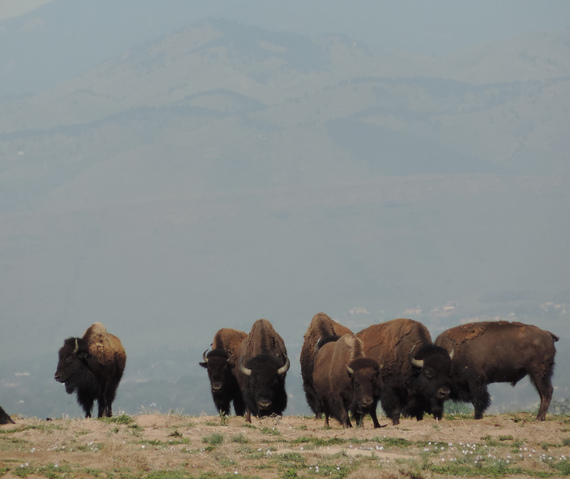
large mammals with brown fur and horns

ROOM TO ROAM

Millions of travelers to Colorado will not only be greeted by mountain views, but a herd of bison! These iconic mammals will soon become a common sight near the Denver International Airport, roaming 200 acres of airport property for visitors to enjoy. Read more about the bison's extended room to roam here.


Did You Know?

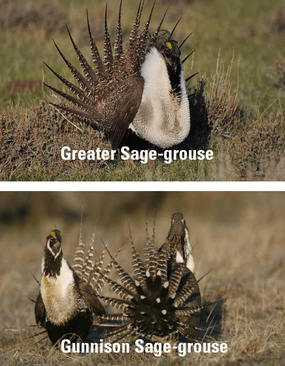
two large chicken-sized birds with large feathers

What's the difference between the Gunnison vs. greater sage-grouse?

Gunnison sage-grouse are only two-thirds the size of the greater sage-grouse. They also have different banding patterns on their tail feathers and prominent ponytail feathers, called filoplumes.

The coolest thing about both the Gunnison and greater sage-grouse is their mating ritual. To attract the ladies (hens) the male sage-grouse (cocks) strut, fan their tail feathers and swell their breasts to reveal bright yellow air sacs. 

But, there are some differences in their mating dance. Male Gunnison sage-grouse wag their tails at the end of their display, and pop their air sacs a few more times than greater sage-grouse.

Both the Gunnison and greater sage-grouse need wide-open, intact habitat dominated by sagebrush


facebookTwitterWebsiteFlickrAsk a Biologist