|

May 5, 2017
What's Wild
 CYCLIST FOLLOWS THE MONARCH BUTTERFLY MIGRATION ROUTE
Each spring, millions of monarch butterflies leave their overwintering
grounds in the oyamel fir forests of central Mexico, to begin their annual
migration north. But this spring, the monarchs have a new companion, Beyond a Book creator, Sara Dykman, who is biking with the monarchs approximately 10,000 miles from the
overwintering colonies in Mexico, through the United States, to Canada and back on a project she calls, Butterbike. As Sara would say, she’s “Butterbiking
with the butterflies.” Read more about Sara’s journey and watch how she’s inspiring
students and creating awareness for the monarch butterfly, whose eastern populations
have fallen approximately 90% over the last 20 years. Track Sara's journey here.
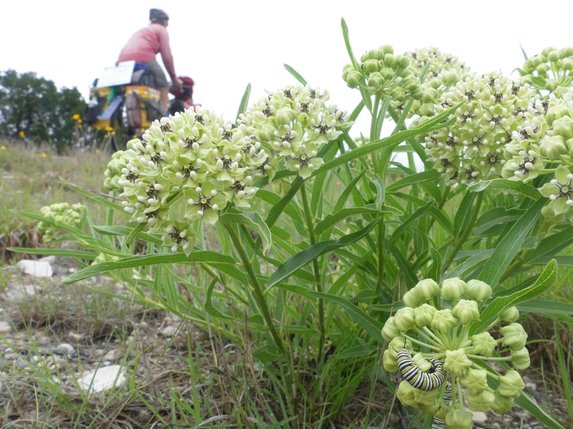
Photo: Dykman cycles by monarch caterpillars eating milkweed, their only food source.
Strike a Yearbook Pose
 CLASS OF 1967
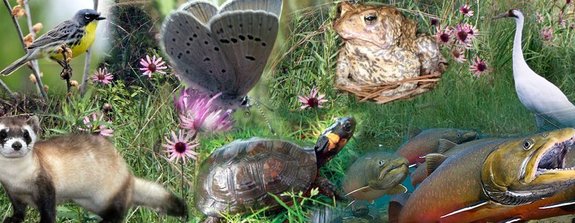
The Class of 1967, which includes the grizzly bear, American alligator, Florida manatee and bald eagle, refers to the very first list of endangered species given federal protection. This list was published on March 11, 1967 under the Endangered Species Preservation Act of 1966–the first piece of federal legislation that would allow native species of fish and wildlife, at risk of extinction, to be formally protected within their range. This Class of 1967 list includes information on the 75 species under U.S. Fish and Wildlife Service jurisdiction.
What eventually became the Endangered Species Act (ESA) of 1973, the core mission has remained the same—to conserve endangered and threatened species, protect ecosystems and enforce all treaties related to wildlife preservation. The ESA provides a critical safety net for fish, wildlife and plants. It has prevented the extinction of hundreds of imperiled species, promoted the recovery of many others, and conserved the habitats upon which they and countless other wildlife depend. To commemorate the class of 1967's 50th anniversary, here are a handful of milestones and moments.
Did You Know?
 |
|
May is "Garden for Wildlife" Month!
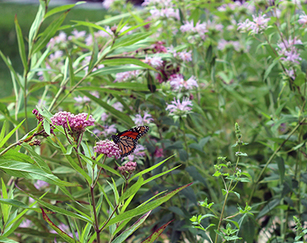
The National Wildlife Federation’s Garden for Wildlife Program helps people restore habitat and wildlife populations in our cities, towns and neighborhoods. Since 1973, the program has worked to educate and empower people to turn their yards and gardens into habitat for birds, butterflies, and other pollinators and wildlife. Learn how to build a pollinator garden of your own in seven steps, here.
|
|