JIPA vol. 7, no. 2 (March-April 2024): Environmental Security
United States Air Force sent this bulletin at 03/12/2024 08:13 AM CDT 
Volume 7, No. 2 (March–April 2024)
Feature Articles
 |
Author: Dr. Ethan Allen Abstract: This article examines the diversity of water challenges across the Indo-Pacific region resulting from climate change, geography, population growth, and other factors. It argues that collaborative, cooperative approaches involving both technological/scientific and political/governmental perspectives are needed to address threats to water security and resilience at scales from the individual to the transnational. After outlining key axes along which water challenges manifest, including scale, time, causation, quantity, and quality, examples of internal national and cross-border tensions tied to water are explored. The article then discusses current usage patterns in the agricultural, industrial, and domestic sectors, noting inefficiencies and lack of conservation. It advocates melding scientific and technological means for gathering, storing, distributing water with equitable political agreements among stakeholders that mandate transparent data sharing on water availability and quality. Only through such synergistic blending of science and policy, the article concludes, can solutions prove effective over the long term in the face of climate disruption impacts.
|
 |
Authors: Dr. Sylvia C. Frain; Kieren Rudge; and Nathan A. Tilton Abstract: This article provides an interdisciplinary analysis of the interconnected challenges stemming from military deterrence strategies in the Indo-Pacific region, with a specific emphasis on their health and environmental impacts. The focus is on illuminating how military actions in the Western Pacific and South China Sea not only influence geopolitical stability but also carry profound implications for disabled veterans and Indigenous communities. Employing a diverse methodology that integrates federal documents, local news sources, scholarly literature, and fieldwork on Guam, this article utilizes the principles of procedural justice and genuine security as frameworks to comprehend the historical complexities and contemporary challenges in the non-self-governing Mariana Islands. Recommendations are put forth for inclusive dialogue and proactive policy changes that respect the voices and well-being of those most affected. This article serves as a clarion call for a paradigm shift in our approaches to security and justice, especially in contexts where military, health, and environmental concerns intersect.
|
 |
Title: Competition and Collaboration in the Environmental Security Domain Author: Dr. J. Scott Hauger Abstract: Rising temperatures are redrawing the map of global power. Climate space, the environmental security landscape within this new geopolitical system, demands a fresh approach to securing our future. Analyzing the US–China dynamic in this domain, this study traces how security strategies have evolved (culminating in the 2022 US National Security Strategy) to address climate-induced threats. It then explores the delicate dance between competition and collaboration necessary for environmental security in this emergent system. Notably, cooperation—even with rivals—becomes key to national security. This challenges traditional thinking, potentially requiring a paradigm shift where securing the environment supersedes geopolitical rivalries. Creating a controlled space for competition within environmental security could be a critical step toward this paradigm shift, ultimately safeguarding national interests in a climate-altered world.
|
 |
Author: Maryruth Belsey Priebe Abstract: Does women’s legislative representation increase the likelihood that a country develops a gender-responsive climate strategy or a climate-compatible Women, Peace and Security (WPS) National Action Plan (NAP)? This study advances the hypothesis that women’s substantive representation in national legislatures changes state policy outcomes by increasing emphasis on gender in climate security policies and increasing the focus on climate change in WPS policies. It describes an empirical analysis of UN Nationally Determined Contributions (NDC), WPS NAPs, and Interparliamentary Union (IPU) rank and percentage, and a qualitative analysis of Indo-Pacific policies. Results suggest (1) that higher IPU metrics are correlated with adoption of a WPS NAP, an NDC, or both; and (2) that higher IPU metrics are correlated with having a range of cross-references in both WPS NAPs and NDCs. However, a comparison of IPU Rank to a qualitative analysis of policy texts showed no clear correlation to women parliamentarian’s impact on policymaking.
|
 |
Title: Future of Maritime Security: Navigating Complex Waters in the Indo-Pacific Author: Zubeda Anjum Niazi Abstract: In the dynamic realm of international relations, maritime security has consistently held significant prominence, particularly within the Indo-Pacific region. This research article aims to assess the trajectory of maritime security in the Indo-Pacific region up to 2040, with a particular emphasis on the evolving geopolitical landscape. Given the increasing strategic significance of the Indo-Pacific, it is crucial to comprehend the multifaceted challenges influencing the region. To this end, the article examines the roles of key stakeholders such as China and the United States concerning both existing and potential traditional and nontraditional security issues, utilizing Alfred Thayer Mahan's Sea Power Theory as a framework. It seeks to illuminate regional cooperation mechanisms and their efficacy in addressing security challenges, with a special focus on emerging technologies' impact on naval strategies, cybersecurity, and environmental concerns. Ultimately, by navigating the intricate waters of regional security challenges, this research endeavors to identify potential strategies and solutions to safeguard maritime interests.
|
View Articles
 |
Title: Blue Economy in the Indo-Pacific: The Need to Create a Cooperative Framework Author: Dr. Shushant VC Parashar Abstract: Contemporary environmental challenges stress ocean, coastal, and marine ecosystems, impacting billions. Coastal regions, vulnerable to climate change, face rising sea levels and intense storms. To address these complexities, innovative solutions offering economic growth are crucial. The ocean economy contributes USD 2.5 trillion globally, supporting 3 billion livelihoods. Beyond traditional sectors, nations explore ocean-based renewable energy and marine biotechnology. Embracing the blue economy concept promotes sustainable use of ocean resources for social, economic, and environmental progress. It recognizes threats like plastic pollution and emphasizes interconnected ecosystems. As the Indo-Pacific adapts, redefining the blue economy becomes vital to align with sustainable development goals. This entails inclusivity, value creation, and sustainability, fostering regional collaboration for prosperity and sustainable development.
|
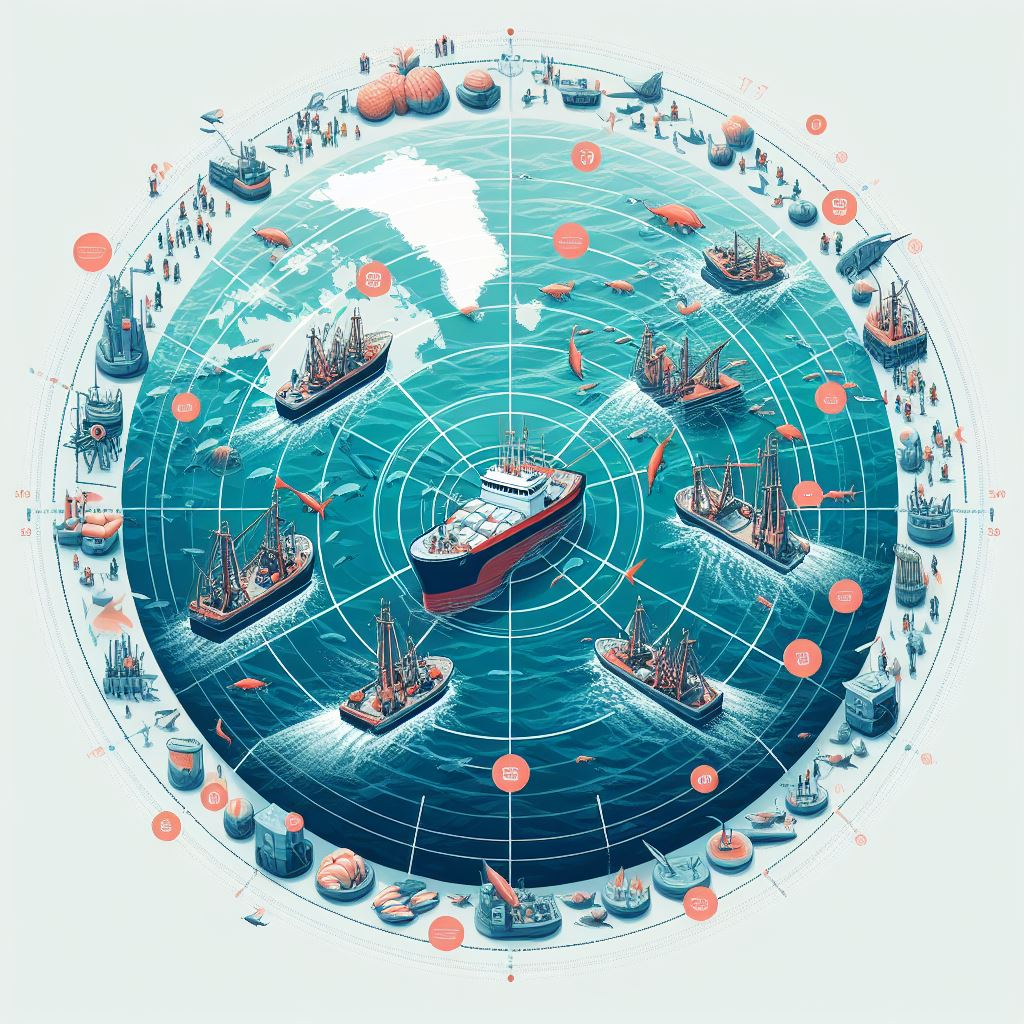 |
Author: CDR Arthur M. Dehnz, US Coast Guard Abstract: Illegal, unreported and unregulated (IUU) fishing has emerged as a leading threat to global maritime security, with China operating the world's largest fleet engaging in predatory practices. This article argues that combating IUU fishing should be a strategic priority for the US Indo-Pacific Command to promote a free and open region and counter negative Chinese influence. It advocates for a robust, multinational law enforcement approach consisting of an expanded mission for Joint Interagency Task Force West, an intelligence fusion center in the Philippines, additional bilateral shiprider agreements, more US Coast Guard cutters based in Oceania, and an enlarged tactical law enforcement program. Implementing these recommendations will strengthen ties with regional partners, reinforce territorial claims, and protect vital marine resources and US national interests.
|
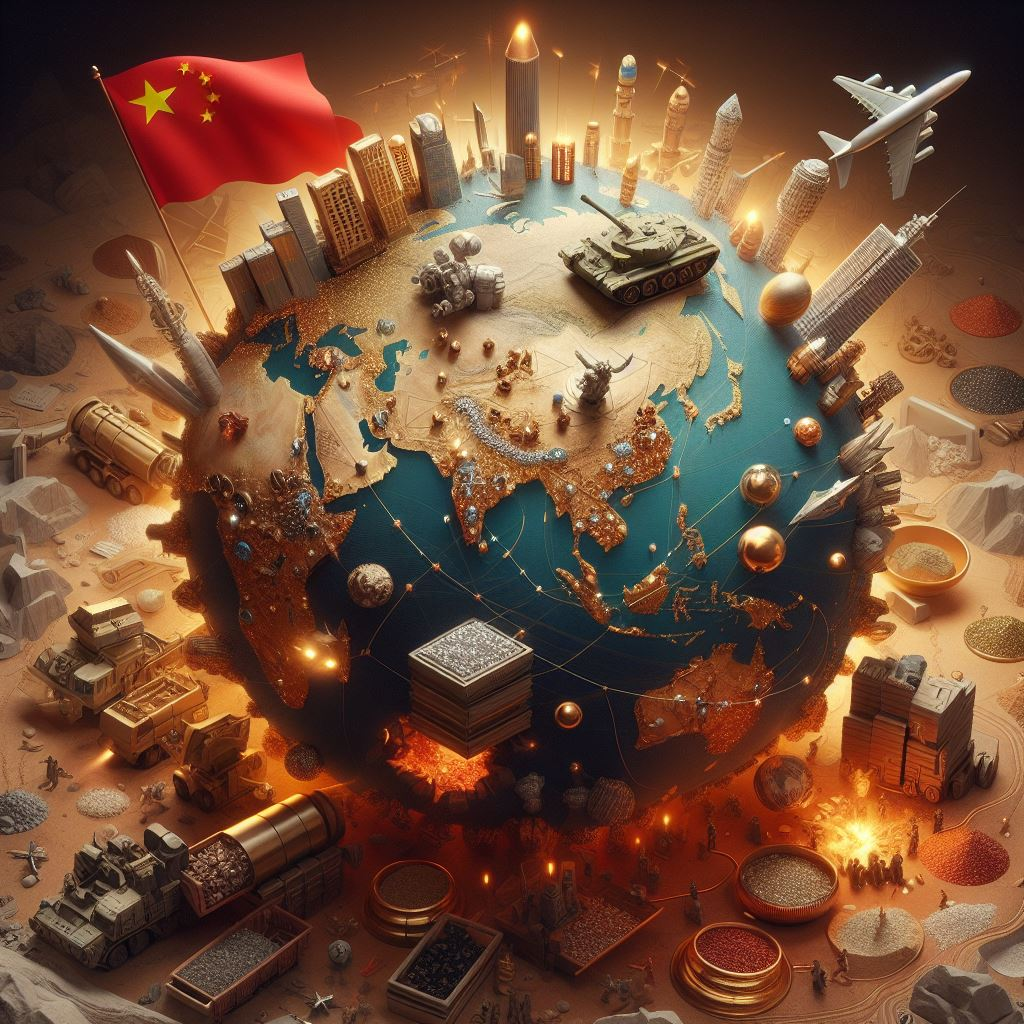 |
Title: The Rise of Great Mineral Powers Authors: Gregory Wischer & Dr. Morgan Bazilian Abstract: Minerals play a crucial role in bolstering a state’s military capabilities, defining its “mineral power.” This study assesses a state’s mineral power by evaluating its access to secure mineral supplies from four key sources: domestic production, government stockpiles, overseas production by domestic companies, and imports from aligned states. Analyzing the mineral power of two emerging great powers, the United States and China, across different historical periods, the research reveals the correlation between mineral power and military strength. Amid escalating US–China competition, the US government could enhance its mineral power by supporting domestic production, increasing stockpiles, facilitating overseas acquisitions, and fostering supply agreements with aligned states. Leveraging trade negotiations, particularly in advanced technology, the United States could ensure continued access to crucial minerals from China, discouraging restrictive export policies through strategic warnings.
|
 |
Title: Intersecting Tides: Climate Change and Maritime Trade in Indo-Pacific 2040 Author: Anadi Abstract: The article explores the profound impact of climate change on Indo-Pacific maritime trade routes by 2040. It anticipates rising global temperatures and sea levels altering critical maritime pathways, affecting major global powers. Using a forward-looking approach, it integrates future climate projections, geopolitical trends, and economic forecasts. Uniquely, it delves into the intricate interaction between climate-induced changes and geopolitical realities, emphasizing major global powers' strategic interests. The article offers a comprehensive analysis of the complex relationship between climate change and maritime trade, addressing sea-level rise, extreme weather events, and geopolitical shifts. It proposes sustainable solutions and adaptation measures for the maritime sector, highlighting the need for proactive measures, international cooperation, and sustainable solutions. Its significance lies in providing insights for policy makers and operational forces, emphasizing the urgency of addressing climate change in the maritime domain.
|
 |
Title: Climate Change and Food Security in the Indo-Pacific: Challenges and Opportunities Author: Ameya Kelkar Abstract: The Indo-Pacific region hosts approximately one-quarter of the world’s population, predominantly comprised of developing nations. Despite developmental strides, all nations in the region grapple with fundamental challenges concerning public health and well-being. This predicament is further exacerbated by the adverse impacts of climate change. This article examines the ramifications of climate change on the escalating issue of food insecurity in the Indo-Pacific. Additionally, it proposes solutions aimed at fostering a cooperative framework among Indo-Pacific nations to address this challenge collectively. The central thesis underscores the national security imperatives of implementing mitigation measures in food security, emphasizing the manifold advantages such a collaborative framework can offer to individual national security architectures.
|
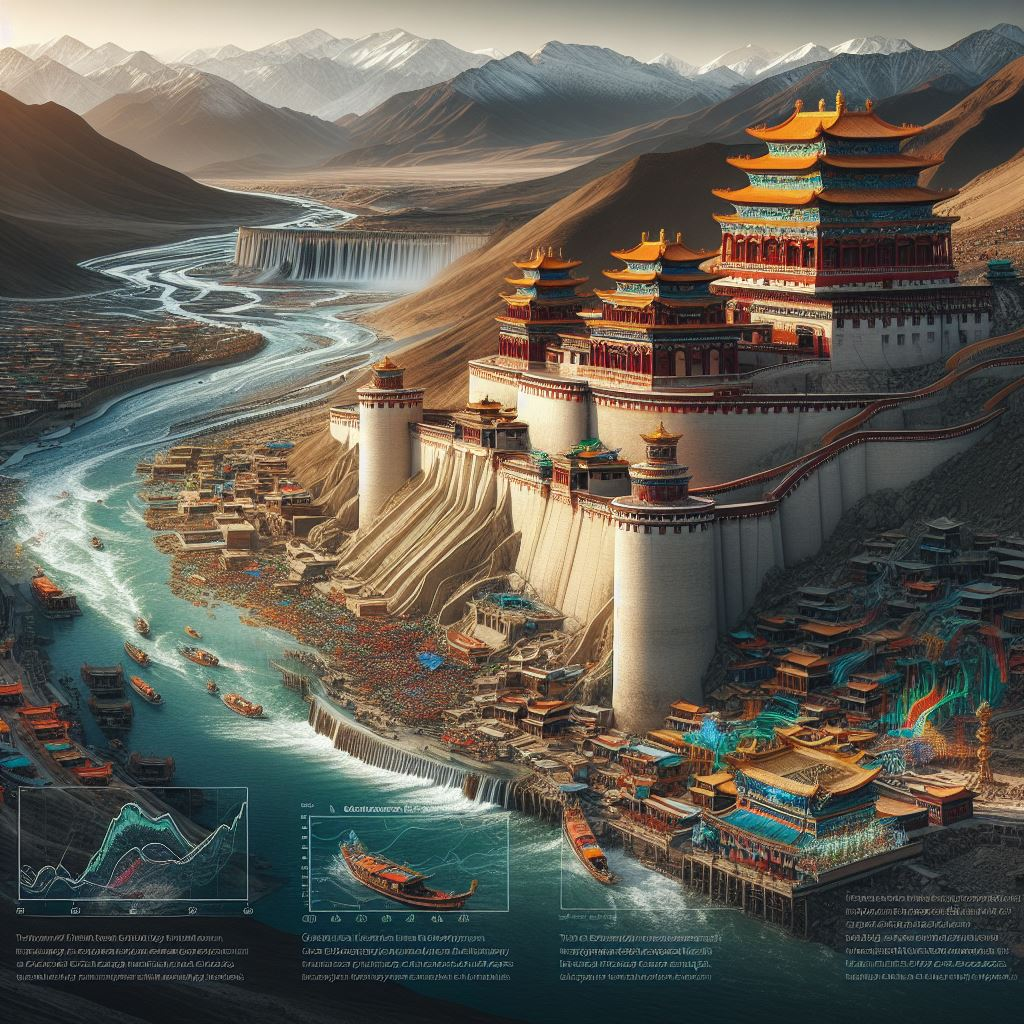 |
Title: China’s Weaponization of Water in Tibet: A Lesson for the Lower Riparian States Authors: Neeraj Singh Manhas; and Dr. Rahul M. Lad Abstract: Tibet, dubbed “Asia’s water tower,” boasts eight major transboundary river systems, including the Brahmaputra, Indus, and Mekong rivers, vital to three billion people in South and Southeast Asia. As an upper riparian state, China has contemplated dam construction and river diversion since 1989. Driven by internal economic motives and aspirations for regional dominance, China seeks to control water flow, impacting lower riparian states such as India, Bangladesh, Nepal, Bhutan, Myanmar, Thailand, Cambodia, Laos, and Vietnam. With approximately 87,000 dams built, China poses a historic threat, having already dammed most internal rivers. This article examines China’s potential weaponization of Tibetan water, offering insights for lower riparian states to prepare for contingencies and devise long-term strategies.
|
Commentary Articles
 |
Title: Safeguarding the Indo-Pacific: Navigating the Nonkinetic Battlefield of Environmental Security Author: Shreya Das Barman Abstract: The environment has evolved into a nonkinetic domain of warfare, with chemical, biological, radiological, and nuclear (CBRN) threats posing significant risks. Historical events like the Spanish flu, anthrax poisoning, and the COVID-19 pandemic underscore the devastation caused by CBRN elements. Technological advancements have increased the risk of nonkinetic warfare, exemplified by the 2001 anthrax poisoning in the United States. To address this, countries must bolster their capabilities and invest in research and development for prevention, preparedness, and response strategies. This article focuses on bioterrorism within environmental security, emphasizing the need for countries to utilize limited resources effectively while considering potential animal-based threats. Collaboration among Indo-Pacific nations is essential, transcending bilateral issues to collectively safeguard the environment. The article examines each country’s strengths and proposes cooperative strategies. Challenges include assessing stakeholder willingness to cooperate while maintaining territorial integrity and developing population training modules. Measures to address these challenges are imperative for effective preparedness and execution.
|
 |
Title: Transforming Defense and Community Climate Action and Resilience Author: Dr. Adam Smith Abstract: Climate change poses an existential threat to global security. However, defense forces, as major greenhouse gas emitters, lack emissions reporting requirements and climate adaptation plans. This article analyzes current deficiencies and advocates for improved climate risk assessment, measurement, transparency, target setting, and mitigation by defense forces. It introduces tools to build climate awareness and catalyze action across military and civilian spheres. Specifically, a C4 model (command, control, climate, and community) integrates top-down and bottom-up approaches. Meanwhile, the CLARA framework (communicate, leadership, awareness, risk and resources, and action) provides guidance for defense forces to assess and reduce risks. Establishing a methodology for comparability and accountability, as NATO has done, is advised. With unprecedented climate impacts already occurring, urgent collaborative action is imperative. Defense forces must show leadership in understanding, communicating and reducing their own emissions, while supporting societal resilience. |
Indo-Pacific Visions Vodcast
 |
Episode 13In this interview, Dr. Ernest Gunasekara-Rockwell engages in a compelling conversation with COL Brandon Teague, the commander of the 5th Security Force Assistance Brigade (SFAB), US Army. As an expert in international security studies, COL Teague brings a unique perspective to the discussion, shedding light on the significant efforts of the 5th SFAB within the Indo-Pacific area of responsibility. The conversation delves into the strategic initiatives undertaken by the 5th SFAB to enhance security and cooperation in the Indo-Pacific region, providing valuable insights into the challenges and opportunities faced by the brigade in this critical geopolitical theater. Listeners can anticipate a thought-provoking exploration of the 5th SFAB's role in preserving a Free and Open Indo-Pacific. This interview promises to be a riveting exchange of ideas, offering a nuanced perspective on the Indo-Pacific security landscape from a seasoned military leader. |
Episode 12Major General Evan L. Pettus, commander, 12th Air Force (Air Forces Southern), is interviewed by Dr. Ernest Gunasekara-Rockwell and Lt Col Jorge Serafin, the respective editors of Air University Press' Journal of Indo-Pacific Affairs and Journal of the Americas. |