Introduction
Cryptocurrency money laundering continues to evolve as criminals leverage technologies, stablecoins, non-fungible tokens (NFTs), gaming ecosystems, and anonymity-enhancing services to conceal illicit financial activity. While these approaches offer insight through the lens of unlawful, sophisticated money laundering methods can complicate tracing efforts and reduce visibility for financial institutions and diligent consumers curious of the origins of their cryptocurrency.
Financial institutions, compliance teams/investigators, and individual investors understand the risk that the cryptocurrency landscape offers. The use of cryptocurrency presents challenges such as identifying suspicious activity, strengthening anti-money laundering (AML) controls, and adhering to evolving regulatory standards.
Use of Mixers and Tumblers
Cryptocurrency mixers, also known as tumblers, are services designed to complicate the source and destination of digital asset transactions. These services combine cryptocurrency from numerous users and reallocate the funds through intricate transaction pathways, making blockchain tracing significantly more difficult.
Criminal organizations often use mixers after theft or fraud through ransomware attacks, fraud schemes, or cybercrime, where the proceeds of these crimes are received in cryptocurrency. They are further used for other illegal activity such as darknet marketplaces or sanctions evasion where cryptocurrency is utilized to disguise the identity of those involved in the unlawful activity. Certain techniques include layering transactions, chain hopping, the use of Decentralized Exchanges (DEXs), peel chains, and privacy coin conversions.
|
Layering Transactions - occurs when funds are split into smaller amounts and routed through multiple wallets before entering a mixer – similar to “smurfing” though there are no reporting requirements that are attempting to be evaded
Chain Hopping - converting one cryptocurrency into another across several exchanges, to complicate transaction tracking.
Decentralized Exchanges (DEXs) - can facilitate anonymous swaps without the oversight from robust Know Your Customer (KYC) procedures
Peel Chains - when small portions of cryptocurrency are continuously transferred through numerous wallets to conceal the source of funds, also utilized by criminal organizations to obscure nefarious activities
Privacy Coin Conversions - converting Bitcoin or Ethereum into privacy-enhancing cryptocurrencies by obscuring transaction details like the sender, receiver, and transfer amount before re-entering mainstream exchanges
|
 Mixers reduce clarity and create challenges for transaction monitoring systems, beneficial ownership identification, sanctions screening, Suspicious Activity Report (SAR) investigations, and blockchain forensic tracing. Financial institutions should pay particular attention to transactions involving wallets previously associated with sanctioned mixer services or high-risk jurisdictions. This additional level of examination of the suspect wallets for other indices of fraud, beyond the mere use of a mixer, is important for compliance leaders following the recent U.S. Department of Treasury’s report to Congress in 2026, formally acknowledging that mixers can serve a legitimate purpose. This report from Treasury identifies legitimate uses to include:
|
Protecting Personal Wealth – Users may not want detailed records of their holdings or spending to be visible on a blockchain explorer, akin to avoiding sensitive financial data being publicly posted. Example: Individuals wishing to maintain confidentiality about large transfers without risk of exposing their net worth.
Shielding Business Payment Details – Businesses may require confidentiality when making or receiving cryptocurrency payments. Use of mixers ensures competitors or third parties cannot trace vendor payments, pricing strategies, or large corporate movements.
Enabling Anonymous Charitable Donations – Individuals can donate to causes without revealing their identities. Mixers allow philanthropic contributions to remain private, preserving donor confidentiality, particularly in politically sensitive contexts.
Privacy Tools in DeFi Protocols – Layer-2 or decentralized financial services sometimes integrate mixers to allow privacy-preserving transactions. Examples include Railgun and Aztec, which provide legitimate privacy while complying with reporting rules if legally requested.
|
While mixers may have some potential legitimate uses, regulation to minimize abuse has not yet been established, and the mixer use must still be eyed with a good amount of suspicion. Currently, “hold laws” are being proposed to temporarily freeze suspicious assets rather than banning the technology outright which may help find a temporary compromise allowing compliance professionals and investigators the ability to stop rapid fund movement for investigative purposes.
 Stablecoin Adaptation and Vulnerabilities in Cross-Border Transfers
Stablecoins are digital assets pegged to fiat currencies such as the U.S. dollar. Their speed, liquidity, and low transaction costs make them attractive for legitimate cross-border commerce – but also vulnerable to misuse by illicit actors.
Why Criminals Prefer Stablecoins
Stablecoins provide near-instant international settlement. This allows for reduced volatility compared to traditional cryptocurrencies, better accessibility through decentralized platforms, lower transaction fees than conventional wire transfers, and increased liquidity across exchanges and blockchain networks. These characteristics enable criminal networks to move value across jurisdictions quickly while minimizing scrutiny.
Cross-Border Vulnerabilities
Illicit actors may exploit stablecoins through cross-border vulnerabilities. These can include transfers involving irregulated foreign exchanges or using wallets tied to shell companies. Criminals could also exploit decentralized finance (DeFi) protocols lacking strong AML controls. An example of this happening was the Arcadia Finance incident. In July 2023, an attacker targeted a vulnerability in the smart contracts of Arcadia Finance, siphoning approximately $455,000 worth of stablecoins. The hacker swapped 75% of the stolen assets into Ethereum and immediately funneled the funds to Tornado Cash, a decentralized, non-custodial cryptocurrency mixer on Ethereum blockchain, to break the audit trail. The rapid movement of funds through multiple blockchain systems could also raise some concerns regarding misuse of stablecoins. Institutions operating internationally should monitor unusually rapid stablecoin transfers involving high-risk geographies or inconsistent customer profiles.
Risks in Non-Fungible Token (NFT) as Money Laundering Vehicles
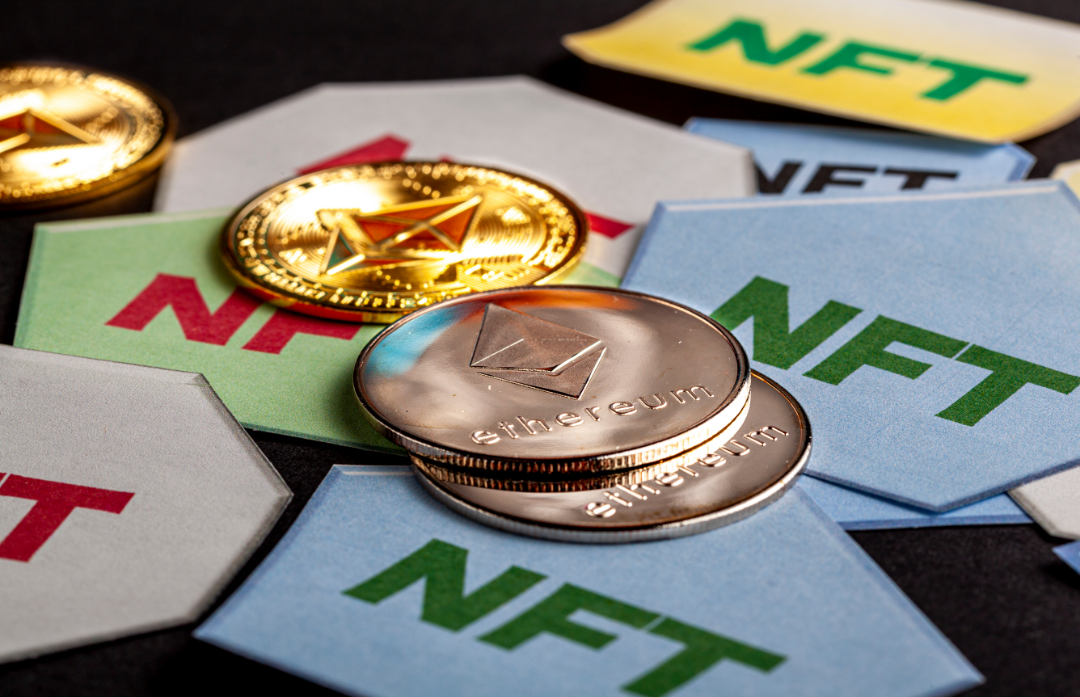
NFTs have emerged as another potential mechanism for money laundering illicit proceeds. NFTs are unique blockchain-based digital assets that can represent art, collectibles, virtual property, or other items. Criminal actors may exploit NFTs through buying and selling NFTs between accounts controlled by the same individual to artificially inflate value. Overvaluation is the purchasing of low-value NFTs at inflated prices to disguise illicit transfers. Using platforms with weak identity verification requirements and moving NFTs across multiple wallets and marketplaces before liquidation are additional ways criminals can exploit NFTs.
Financial institutions should be alert to large NFT purchases inconsistent with customer profiles, rapid resale activity with dramatic price fluctuations, transactions involving newly created wallets, repeated transfers between related accounts, and use of privacy-enhancing technologies alongside NFT purchases.
 Gaming Tokens and Virtual Economies
The online gaming world includes tradable virtual currencies and digital assets. Criminal organizations may exploit these environments because transactions often occur outside traditional banking oversight. Purchasing gaming tokens with illicit funds, transferring tokens between player accounts, selling gaming assets through third-party marketplaces, using virtual economies to obscure ownership trails, and converting gaming currencies back into fiat or cryptocurrency are all methods that can be used in the online gaming ecosystem.
Gaming platforms with peer-to-peer transfer capabilities may present money laundering risks if customer verification procedures are weak. Stablecoins and NFTs can also be combined to facilitate cross-border movement of illicit funds. A criminal organization may purchase stablecoins using illicit proceeds or use those stablecoins to buy NFTs. They can transfer NFTs across borders through anonymous wallets and sell them in another jurisdiction. This process creates multiple transactional layers that complicate investigations and obscure beneficial ownership.
Challenges for financial institutions arise as new environments in the online world. These economies create difficulties such as source-of-funds verification, jurisdictional coordination, customer due diligence, and real-time transaction monitoring. As digital asset ecosystems continue evolving, institutions must adapt monitoring frameworks to address interconnected cryptocurrency risks.
 What Financial Institutions Can Do to Counter Cryptocurrency Money Laundering
Financial institutions can reduce exposure to cryptocurrency-related financial crime through a layered compliance approach. Strengthening Customer Due Diligence (CDD) verifying customer identities thoroughly, assessing customer exposure to digital assets and conduct enhanced due diligence on high-risk customers. It can also identify beneficial ownership structures and review source-of-wealth information. Other approaches institutions can take are implementing blockchain analytics tools. It can help them by detecting exposure to mixers and sanctioned wallets and identify suspicious transaction patterns. Monitoring high-risk blockchain addresses can find and trace cross-chain movements while also flagging anomalous wallet behavior. Enhancing transaction monitoring can show real-time cryptocurrency transaction screening and rapid movement of funds, provide stablecoin risk assessments, and identify unusual wallet activity involving high-risk jurisdictions.
Some individual training and awareness that employees of the institution can take are the newest list of cryptocurrency money laundering typologies, NFT and gaming token risks, stablecoin vulnerabilities, emerging sanctions concerns, and reporting obligations and escalation procedures. Institutions and their employees should maintain strong communication with financial intelligence units, regulatory agencies, blockchain analytics providers, law enforcement organizations, and industry information-sharing groups.
Conclusion
Cryptocurrency money laundering remains a significant and evolving challenge for financial institutions and regulators worldwide. The increasing use of mixers, stablecoins, NFTs, gaming tokens, and decentralized finance platforms has created new opportunities for illicit actors to obscure financial activity and move funds across borders.
To address these risks effectively, institutions must combine strong AML compliance programs, advance blockchain analytics, enhance customer due diligence, and continue employee education. Proactive monitoring and collaboration with regulators and law enforcement agencies will remain critical as cryptocurrency ecosystems continue to expand. By understanding emerging money laundering typologies and implementing robust risk mitigation measures, financial institutions can strengthen financial integrity, protect customers, and reduce exposure to digital asset-related financial crime.
Sources:
|