What You Need to Know
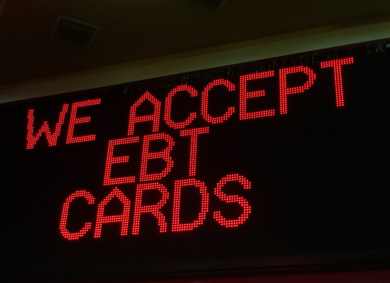
Electronic Benefits Transfer (EBT) and the Supplemental Nutrition Assistance Program (SNAP) are essential lifelines for millions of Americans, providing critical support for food security. These programs are designed to assist low-income families, children, the elderly, and individuals with disabilities in accessing nutritious food. However, the integrity of these programs is often compromised by fraudulent activities, which can undermine their effectiveness and lead to significant financial losses.
In response to these challenges, various presidential executive orders have been enacted to enhance government efficiency and strengthen the integrity of federal assistance programs. These executive orders reflect a commitment to ensuring that taxpayer dollars are used effectively and that programs like SNAP maintain their integrity.
This newsletter aims to provide a comprehensive overview of EBT and SNAP fraud, including key facts and figures, the importance of stopping this fraud, how taxpayers ultimately bear the cost, the use of skimming devices to steal users' data, and financial red flags for investigators.
Relevant Presidential Executive Orders
In addressing EBT and SNAP fraud, various executive orders come into play:
-
Executive Order 14058 on Government Efficiency: Aims to modernize government operations and improve the efficiency of federal programs, including SNAP and EBT systems.
-
Executive Order 14091 on Artificial Intelligence: Encourages federal agencies to leverage advanced technologies for operations, including fraud detection in programs like SNAP.
-
Executive Order on Strengthening Public Safety: Emphasizes law enforcement collaboration and community safety, extending to investigations into fraud and abuse of public assistance programs.
These executive orders reflect a commitment to ensuring that taxpayer dollars are used effectively and that programs like EBT and SNAP maintain their integrity.

A glimpse into the impact of EBT and SNAP fraud:
-
Prevalence of Fraud: The USDA estimates that the SNAP trafficking rate is approximately 1.2% of total expenditures. In fiscal year 2021, this amounted to about $1.2 billion in fraudulent transactions.
-
Projected Financial Impact:
- In 2022, the USDA projected that fraud could cost the SNAP program upwards of $1.5 billion annually if current trends continue.
- A 2023 report indicated that cumulative losses due to fraud over the next five years could exceed $7 billion.
-
Types of Fraud:
-
Trafficking: Selling EBT cards for cash is a common method. Beneficiaries may sell their benefits at a fraction of their value, allowing them to receive cash while the buyer uses the EBT card for purchases.
-
Ineligible Purchases: Some beneficiaries use EBT cards to buy non-eligible items, such as alcohol, tobacco, or prepared foods.
-
Collusion with Retailers: Retailers may conspire with beneficiaries to exchange EBT benefits for cash or ineligible goods.
-
Impact on Programs: Fraudulent activities drain resources from the SNAP program and lead to increased scrutiny from lawmakers and the public, resulting in potential funding cuts and stricter regulations.

Stopping EBT and SNAP fraud is crucial for several reasons:
-
Protecting Vulnerable Populations: SNAP assists low-income families, children, the elderly, and individuals with disabilities. Fraud diverts resources away from those who genuinely need help, exacerbating food insecurity.
-
Ensuring Program Integrity: Maintaining the integrity of SNAP is vital for public trust. Rampant fraud undermines confidence in the program, leading to calls for cuts or changes that can negatively impact legitimate beneficiaries.
-
Financial Accountability: Fraudulent activities result in significant losses to taxpayers. By preventing fraud, we can ensure that taxpayer dollars are used effectively and efficiently.
-
Enhancing Program Efficiency: Addressing fraud can lead to better resource allocation and improved program management, allowing more funds to be directed toward legitimate beneficiaries.
-
Legal and Regulatory Compliance: Stopping fraud helps ensure compliance with federal and state regulations governing SNAP, reducing the risk of penalties against states and retailers.
-
Deterrence of Future Fraud: A strong stance against fraud can deter potential offenders. Active investigation and prosecution can discourage similar activities.

The financial implications of EBT and SNAP fraud extend beyond immediate losses:
-
Direct Financial Losses: Estimated losses from SNAP fraud range in billions annually, representing taxpayer dollars that could have been used for legitimate assistance.
-
Increased Program Costs: Fraud leads to higher administrative costs as agencies allocate resources to investigate and combat fraudulent activities.
-
Potential Cuts to Services: When fraud is prevalent, it can lead to budget cuts or reduced funding for SNAP and other social services, impacting legitimate beneficiaries.
-
Strain on Public Resources: Financial losses due to fraud can strain public resources, necessitating increased funding in other areas, such as social services and food banks.
-
Long-Term Economic Impact: Increased food insecurity and poverty can lead to higher healthcare costs and greater reliance on other public assistance programs, ultimately funded by taxpayers.
Skimming Devices: A Growing Threat
One of the more insidious methods of fraud involves the use of skimming devices, which are small electronic devices that capture card information from unsuspecting users. These devices can be discreetly attached to EBT card readers at grocery stores or ATMs, allowing fraudsters to steal users' data without their knowledge.
-
How Skimming Works: When a user swipes their EBT card through a compromised reader, the skimming device captures the card's magnetic stripe data, including the card number and other sensitive information. This data can then be used to create counterfeit cards or sold on the black market.
-
Impact on Victims: Victims of skimming may find their benefits drained or misused, leading to significant financial hardship. The emotional toll can also be considerable, as individuals who rely on SNAP for their daily sustenance may suddenly find themselves without necessary resources.
-
Preventive Measures: To combat skimming, it is essential for users to be vigilant. They should inspect card readers for any unusual attachments or signs of tampering before using them. Additionally, reporting suspicious activity to local authorities can help in the fight against this type of fraud.
AML investigators must be vigilant in identifying potential signs of EBT and SNAP fraud. Key financial red flags include:
-
Unusual Transaction Patterns: Look for beneficiaries conducting unusually high transaction volumes in a short period or transactions occurring at odd hours.
-
Retailer Behavior: Investigate retailers with a high percentage of EBT transactions compared to overall sales, especially if they sell primarily ineligible items.
-
Beneficiary Activity: Frequent PIN changes or multiple EBT cards registered to different addresses can indicate fraudulent activity.
-
Cash Withdrawals: High-frequency cash withdrawals from EBT accounts, particularly if followed by purchases of ineligible items, should raise concerns.
-
Collusion Indicators: Repeated transactions between the same beneficiaries and retailers, especially involving large cash exchanges, can suggest collusion.
-
Unusual Geographic Patterns: Beneficiaries making purchases far from their registered addresses or in areas known for high fraud rates may warrant further investigation.
-
Inconsistent Spending Patterns: Significant fluctuations in spending habits, such as a sudden increase in purchases after a period of low activity, can indicate potential fraud.
-
Multiple Transactions in a Short Timeframe: A high number of transactions made in a short period, especially if they are all for low-value items, may suggest attempts to evade detection.
-
Frequent Changes in Personal Information: Beneficiaries who frequently change their contact information or personal details associated with their EBT accounts may be attempting to hide fraudulent activity.
Call to Action
EBT and SNAP fraud presents significant challenges that can undermine the integrity of food assistance programs. By understanding this issue, AML investigators can play a crucial role in identifying and preventing fraud. Stopping this fraud is essential not only for protecting vulnerable populations but also for ensuring the integrity and efficiency of these vital programs. The projected financial impact of fraud underscores the urgency of addressing this issue to safeguard taxpayer dollars and support those in need.
Stay informed and proactive in your efforts to combat EBT and SNAP fraud. Share this newsletter with colleagues and encourage discussions on best practices for identifying and reporting suspicious activities.
The U.S. Small Business Administration (SBA) Office of Inspector General’s (OIG’s) is requesting information from financial institutions and Unclaimed Property Administrators to identify SBA program funds that have been frozen by financial institutions and/or escheated to the states’ unclaimed property divisions. OIG would be interested in collaborating with the institutions and states to return the funds to SBA.
Funds that are disbursed directly from SBA would have an ACH description starting with SBAD TREAS 310/MISC PAY. The 10-digit number in the ACH description or the 15-digit number in the ACH Customer Details would include the SBA application or loan number.
During the pandemic (2020-2021), SBA administered the Paycheck Protection Program (PPP) through third-party approved lenders. Funds disbursed by SBA approved lenders would have various ACH descriptions with most of the lenders including “PPP” in the ACH description.
If your institution or state has such funds, please report to OIG’s Hotline online at Office of Inspector General Hotline | U.S. Small Business Administration. When submitting the narratives online, complainants should include the allegation, loan number, and amount of funds involved. Once the submission is made, email SBAOIGUnclaimedProperty@sba.gov with the confirmation number, and SBA OIG will review further. If more than one submission is made, list all the confirmation numbers in one email. It is recommended to keep a tracker/spreadsheet of submissions to OIG for future reference and/or follow-up. The email box can also be used for any questions regarding SBA programs to assist with the review of frozen or escheated funds.
HSI’s mission is to protect the United States by investigating global crimes that impact our local communities. We have over 10,000 employees stationed in over 235 U.S. cities and more than 50 countries worldwide. This gives us an unparalleled ability to prevent crime before it reaches our communities. HSI encourages the public to report suspected suspicious activity through its Tip Line. You may remain anonymous.
|