This Coffee Break Bulletin highlights
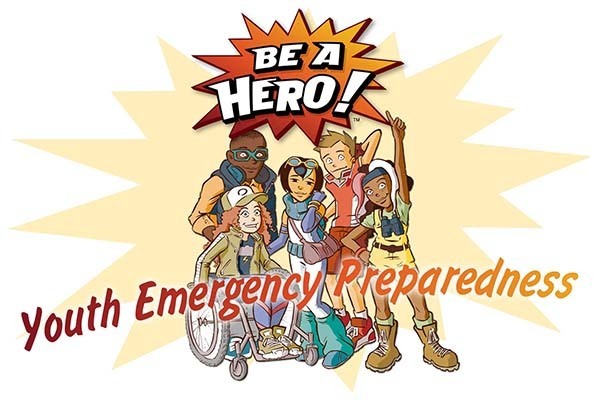
Ready.gov’s Youth Emergency Preparedness Curriculum, an educational
program for teaching children how to prepare for disasters and
emergencies.
Emergencies and disasters can happen at any time and often without
any warning. Children make up about 25 percent of our population so
disaster planning, response and recovery efforts must take into account
their unique needs.
The Federal Emergency Management Agency (FEMA) offers the free Youth Emergency Preparedness Curriculum
to help educators teach kids what to do before, during and after an
emergency. Created for grades one through 12, it incorporates
age-appropriate problem-solving, teamwork, creativity, leadership and
communication skills. Fire safety educators may also find some ideas to
enhance their safety lessons on disaster planning, response and
recovery.
Each age-specific section is divided into three lessons
of inquiry-driven, project-based, and learning activities aligned to
core subject standards. Students can check their emergency know-how with
knowledge tests throughout the lessons.
Grades one and two
Students
learn about emergencies and how to prepare for them. From fire safety
to natural disasters, they will exercise their investigative, creative
and communication skills, working both individually and in teams.
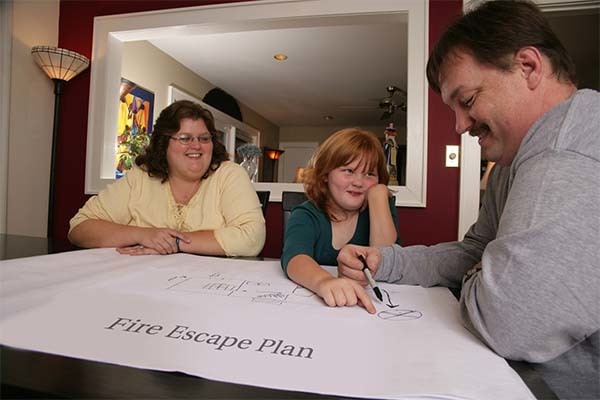
The Youth Emergency Preparedness Curriculum includes a lesson to show first and second graders how to make a home fire escape plan.
Grades three through five
Students work individually and in
teams to research emergencies that can impact their local community and
the nation. They will apply creativity and literacy skills to
demonstrate their understanding of emergency preparedness.
Grades six through eight
Students
develop a graphic novel to show their understanding of emergency
preparedness. They’ll gain knowledge through research, games,
simulations, discussions, debates and other inquiry-driven activities.
Grades nine through 12
Students
engage in discussions, multimedia research, surveys and interviews to
develop their own communication campaigns aimed at raising awareness and
motivating others to be prepared for emergencies.
Action step for teaching kids about emergency preparedness
Students
are motivated to learn and understand more when they can connect a
topic to their lives. We encourage you to let teachers know this curriculum is available at Ready.gov/kids and to use some of the activities yourself to promote disaster preparedness.
|