
Coast Guard, partner agencies increase safety patrols during 4th of July weekend
U.S. Coast Guard sent this bulletin at 07/01/2022 12:42 PM EDT
| News Release |
U.S. Coast Guard 1st District PA Detachment New York |
Coast Guard, partner agencies increase safety patrols during 4th of July weekend
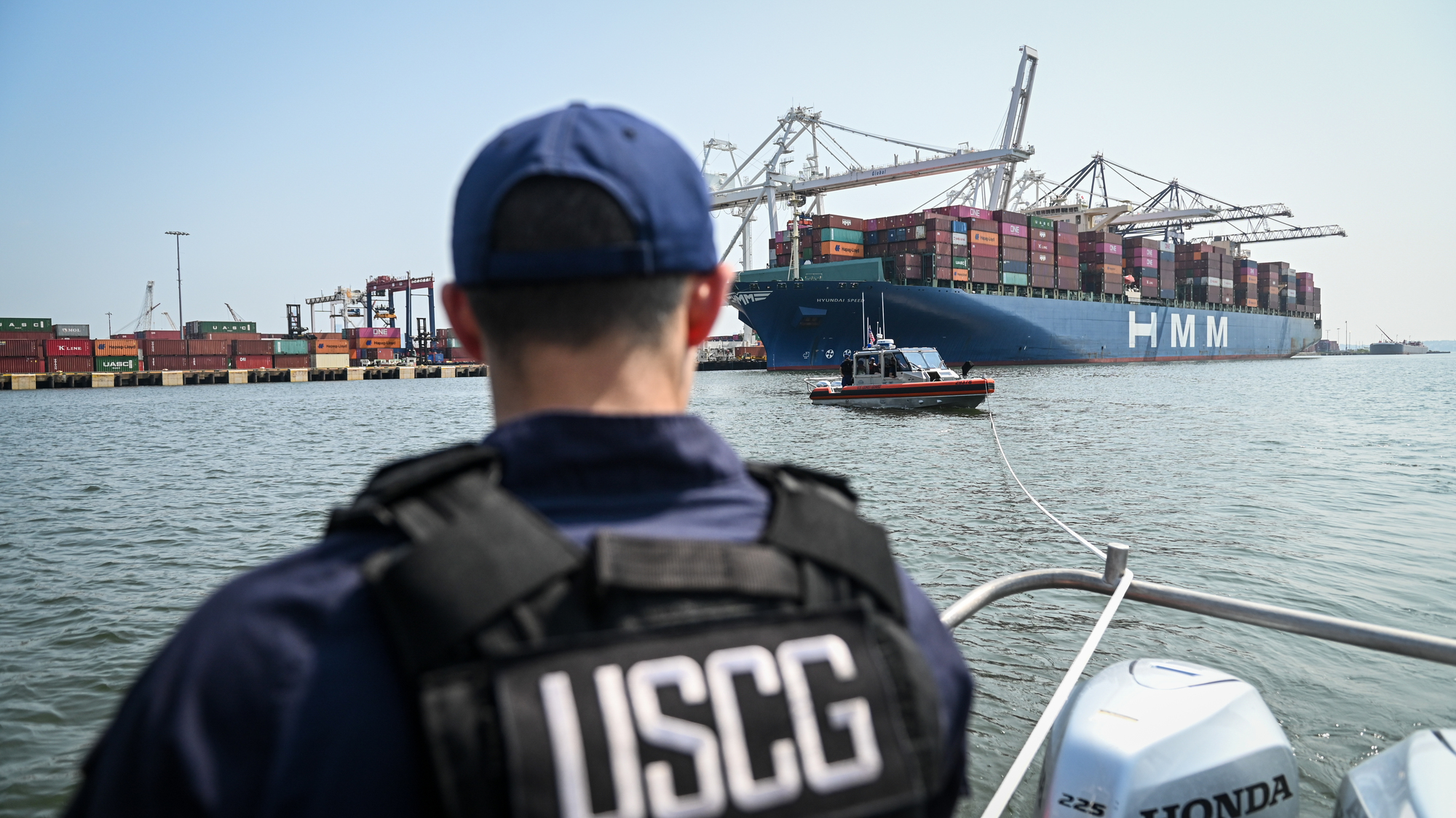
Editors' Note: Click on images to download high resolution version.
NEW YORK — Coast Guard and partner agencies throughout New York will increase boating safety patrols during the July 4th holiday weekend in support of Operation Dry Water, a nationwide effort to enforce Boating Under the Influence (BUI) laws.
Operation Dry Water is aimed at raising awareness of the dangers of operating under the influence to help decrease the number of recreational boating accidents and deaths. It is illegal to operate a boat while under the influence of alcohol or drugs in every state. Penalties for violating BUI laws include large fines, suspension or revocation of boat operator privileges and jail terms.
From Saturday through Monday, boaters can expect increased presence from the Coast Guard and other law enforcement agencies who will be paying particular attention to recreational boating safety this weekend. The Coast Guard and its local law enforcement partners will be conducting boating safety boardings.
"While we want boaters to enjoy the 4th of July holiday, we urge them to do so safely and responsibly," said Capt. Zeita Merchant, commander of Coast Guard Sector New York and Captain of the Port of New York. "We encourage all boaters to take at least a few simple precautions, such as ensuring all passengers have and wear an appropriate life jacket, filing a float plan and being responsible about alcohol consumption to ensure a safe and enjoyable Independence Day weekend."
Nationwide, 658 people died and 2,641 were injured in boating and paddling accidents in 2021. Approximately 74 percent drowned, and more than 73 percent of those people were not wearing a life jacket. Alcohol use is the lead contributing factor in fatal boating accidents, accounting for 13 percent of all reported fatalities.
The Coast Guard offers the following tips to help you enjoy a safe time on the water:
- Wear a life jacket. Make sure that there is at least one properly-fitted life jacket for every passenger and that the life jackets are readily accessible if not worn. All children under 13 must wear a life jacket at all times.
- Don’t drink and boat. Aside from wearing a life jacket, not drinking and boating is one of the easiest ways to prevent accidental deaths on the water. People operating vessels under the influence of alcohol, drugs or impairing medication pose a serious threat to you and anyone else aboard.
- File a float plan. Before you get underway, leave information about your trip with a family member or a friend on shore. Include information that would help rescuers in case of an emergency—how many people on board, where you are going, how long you will be out, and a description of your boat.
- Inspect your boat and equipment. Make sure your navigation equipment—particularly your navigational lights, if you plan to be out at night—is in good working order. Carry fire extinguishers, a first aid kit, charts of the area and an anchor. Get a free safety inspection from the Coast Guard Auxiliary to make sure you have all the gear and safety equipment required by your state and federal laws.
- Equip your boat with an Emergency Position Indicating Radio Beacon (EPIRB). An EPIRB is a safety device that automatically transmits an emergency signal when it is placed or floating in the upright position. The signal allows the Coast Guard and other agencies to pinpoint your location.
- Carry a portable weatherproof marine band radio. Cell phones may go out of range or lose battery power when needed most. The Coast Guard, other agencies, and other boaters monitor marine band radios, increasing the number of people who can respond if you’re in trouble.
- Take a boating safety course. Approximately 80 percent of boating deaths occur on boats where the operator had no formal boating safety instruction. The Coast Guard recommends that all boaters take a safety class and a refresher every five years. The Coast Guard Auxiliary offers low-cost boating safety courses.
- Check the weather. Check daily weather reports, or listen to a marine band radio, for sudden changes in weather conditions.
- Download the Coast Guard Boating Safety app. You can file a float plan, request assistance, request a vessel safety check, and report pollution and hazards to navigation.
-USCG-

 |
Questions for the Coast Guard? Contact Us |
For more Coast Guard news, visit our online newsroom here.
| STAY CONNECTED: | ||||
 |
 |
 |
 |
|
SUBSCRIBER SERVICES:
Manage Preferences | Unsubscribe | Help
Privacy Policy | GovDelivery is providing this information on behalf of U.S. Department of Homeland Security, and may not use the information for any other purposes.
This email was sent to Email Address