We followed pandemic relief spending in six communities across the United States
We’re ending our journey in two Tribal nations
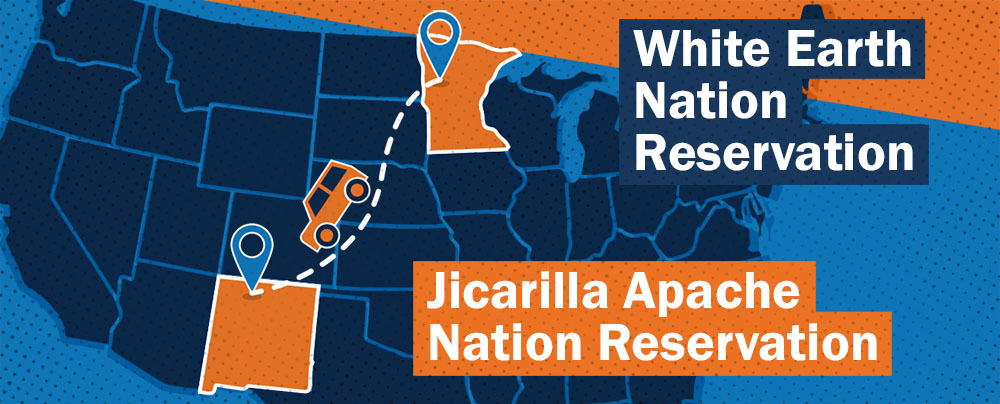
Our travels took us to Springfield, MA, Coeur d’Alene, ID, Sheridan County, NE, and Marion County, GA, where local officials used relief funds to support transportation, housing, small businesses, and education needs during the first 18 months of the pandemic. Now, let’s take a look at the White Earth Nation Reservation in Minnesota and the Jicarilla Apache Nation Reservation in New Mexico to see how Tribal leaders used federal relief funds to respond to and ease the effects of the pandemic.
White Earth Nation Reservation
Connecting with the community through a culturally relevant response
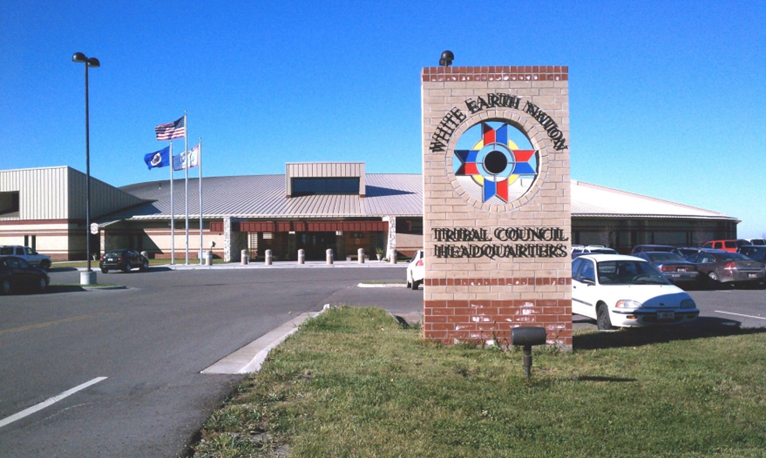
The fifth of six locations, White Earth Nation Reservation was one of two Tribal locations we visited. While its population totals only 9,991, its land area spans three Minnesota counties. The federal government provided $278 million across 56 pandemic relief programs and subprograms to address critical needs. Tribal leaders took great care to incorporate their culture into the pandemic response, such as developing a public health risk indicator using the Medicine Wheel and distributing traditional medicines to ease COVID symptoms as complementary therapies to Western medicine. The community experienced challenges centered on mitigating public health misinformation, paying salaries and wages, developing platforms for remote work and learning, and addressing food insecurity.
Supporting day-to-day operations of the community and public services
White Earth Nation Reservation officials used pandemic relief funding to assist the community in a variety of ways, including:
- The White Earth Housing Authority received $1,010,296 from the Coronavirus Aid, Relief, and Economic Security (CARES) Act and the U.S. Department of Housing and Urban Development’s Indian Housing Block Grant (IHBG) to purchase 12 modular homes to ease overcrowding and reduce the risk of COVID transmission in the community.
- The Coronavirus Relief Fund (CRF) supported Tribal officials’ efforts to ensure food security for the elderly, provide two boxes of mostly nonperishable food per month to every household from April 2020 to April 2021, and make COVID testing available to the entire community.
- The U.S. Department of the Interior (DOI) provided $19,591,617 to sustain law enforcement activities and to support the construction of a new cafeteria, among other services, at the Tribal college.
Read the full report to learn more about six of the federal programs that helped White Earth Nation Reservation respond to and ease the effects of the pandemic.
Jicarilla Apache Nation Reservation
Protecting residents, history, and culture
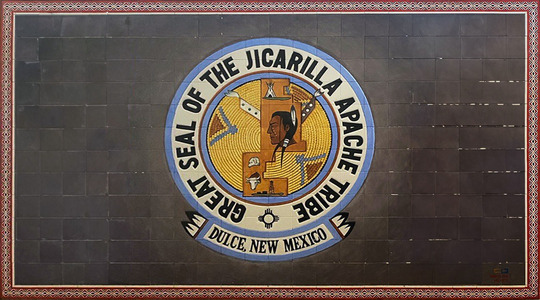
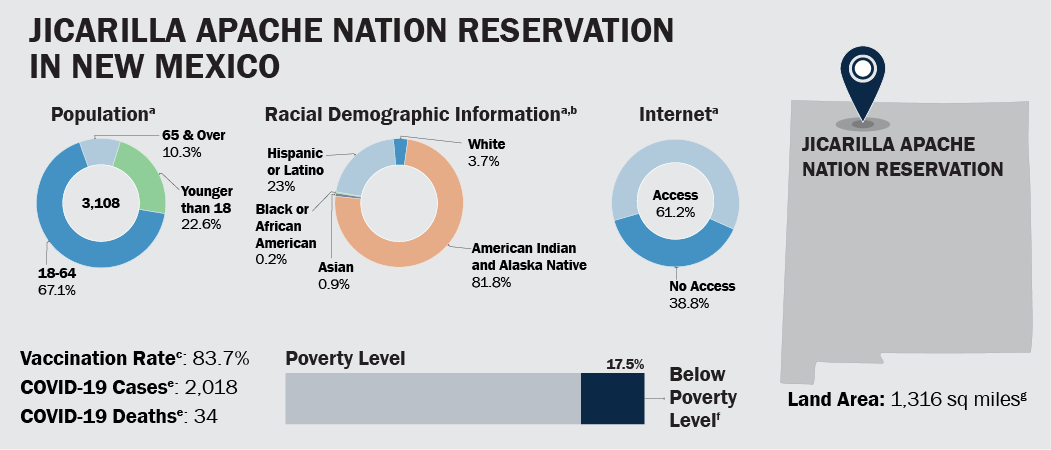 We rounded out our journey with a visit to the Jicarilla Apache Nation Reservation in northern New Mexico, which has a population of 3,108 and spans Rio Arriba and San Juan counties. The federal government provided $80 million from 42 federal pandemic relief programs and subprograms to sustain and bolster normal operations, including those related to critical supplies, food, broadband access, and protecting residents. While the nearby town had double the COVID infection rate of the reservation, the death rate was 11 times higher on the reservation, prompting Tribal officials to emphasize protecting vulnerable members such as the elderly. Tribal officials faced many challenges responding to the public health emergency, including shortages and increased costs of Personal Protection Equipment (PPE) and other medical supplies, limited medical services due to the Tribe’s remote location, insufficient housing to isolate COVID positive residents, and inadequate telecommunications infrastructure.
Crafting a full response in a remote location
Jicarilla Apache Nation Reservation officials used pandemic relief funding to assist the community in a variety of ways, including:
- The Jicarilla Apache Housing Authority received $422,000 in IHBG funds from the CARES Act and nearly $945,000 of funds from the American Rescue Plan Act of 2021 to support rental assistance, payroll expenses, and continued operations.
- The CRF supported Tribal officials’ efforts to build six communication towers in the fall of 2021 to provide free internet access to government employees and students.
- DOI provided $2,493,711 to provide internet access to citizens, pay staff salaries during stay-at-home orders, provide hazard pay to essential employees, sanitize education facilities, and purchase PPE for students and staff.
Read the full report to learn more about six of the federal programs that helped Jicarilla Apache Nation respond to and ease the effects of the pandemic.
Federal funding to help drive results
Although our journey to understand the impact of pandemic relief funding in six communities has come to an end, there’s still more to learn as the federal government shapes future relief programs. Follow along on our website for more key insights as we and our oversight partners dive deeper into how agencies can develop programs that better serve the public.
|