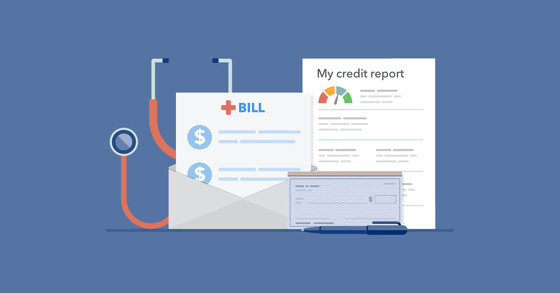
Older adults, most of whom have health insurance coverage, are among the millions of Americans who experience problems with reporting and collection of inaccurate medical bills. This spotlight describes how medical billing practices can lead to inaccurate bills and attempts to collect amounts that are not owed from people 65 and older. It also describes the impact of inaccurate medical bills, including coercive credit reporting, on older adults.
Read the issue spotlight.
On Thursday, the CFPB took another step toward ensuring accountability for automated decision models, sometimes marketed as artificial intelligence (AI). Six federal regulatory agencies requested public comment on a proposed rule designed to ensure the credibility and integrity of models used in real estate valuations.
In particular, the proposed rule would implement quality control standards for automated valuation models (AVMs) used by mortgage originators and secondary market issuers in valuing real estate collateral securing mortgage loans. This initiative is one of many steps we are taking to ensure that algorithms and AI are complying with existing law.
Read the press release.
Read Director Rohit Chopra’s blog post, "Algorithms, artificial intelligence, and fairness in home appraisals."

Payment apps that allow consumers and businesses to quickly send and receive money also often provide the ability for users to store those funds. Funds stored on these platforms often lack deposit insurance coverage and are at risk of loss in the event of financial distress or failure of the entity operating the payment platform.
Read the issue spotlight.
Read the press release.
Read the consumer advisory.
|