On June 2, 2026, PHMSA published in the Federal Register a final rule under Docket No. HM-257A and titled “Hazardous Materials: Streamlining Requirements for the Approval of Certain Energetic Materials.”
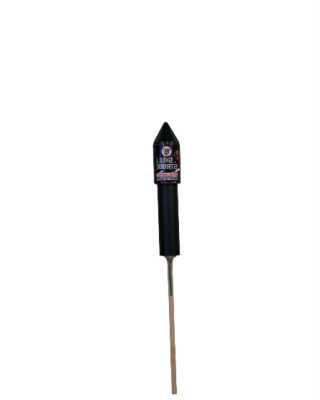
This final rule streamlines the classification and approval process for transporting certain low-hazard fireworks by allowing self-classification using an automated system, revises the criteria for small arms cartridges to include tracer ammunition as eligible for self-classification, designates the PHMSA portal as the sole method to submit applications for all explosives approvals, and authorizes the voluntary termination of an explosive approval by the approval holder.
PHMSA expects the final rule will result in net cost savings of $2.2 million (2024 dollars) over a 10-year analysis period, or approximately $200,000 annually. PHMSA also estimates that 846 labor hours will be saved annually from time that would have been spent processing fireworks approvals, resulting in an annual budget savings of $85,341 to the government—significantly increasing government efficiency and making government resources available for other higher priority tasks.
The final rule will streamline the approval process, improve regulatory clarity, and facilitate international trade without adversely affecting safety. PHMSA has developed a detailed economic analysis in the final regulatory impact analysis (RIA), a copy of which has been placed in the docket.
David P. Cummins confirmed as new TSA Administrator
David P. Cummins was sworn in as the eighth Administrator of the Transportation Security Administration (TSA) following his confirmation by the U.S. Senate.
In May 2026, President Trump nominated Cummins to head TSA and lead a workforce of approximately 60,000 employees and the security operations at more than 430 airports across the United States. Under the direction of Homeland Security Secretary Markwayne Mullin, Cummins also has federal responsibility for the security of the nation’s surface transportation including rail, mass transit systems, highways, pipelines and maritime.
Read the full press release.
Warehouse workers face many hazards, but proper design, planning and training can keep them safe. Visit Occupational Safety and Health Administration (OSHA) to review references that can aid you in recognizing and controlling those hazards.