|
JUNE 2024
“Hazmat Highlights” is the FAA’s Office of Hazardous Materials Safety monthly newsletter with public updates from government sources related to the safe transportation of hazardous materials by air.
|
|

Carbon County Man Sentenced for Trying to Smuggle Explosives on Plane Bound for Orlando-Sanford Airport
United States Attorney Jacqueline C. Romero announced that Marc Muffley, 41, of Landsford, PA, was sentenced to 30 months in prison and 3 years supervised release by United States District Court Judge John M. Gallagher for attempting to place an explosive device on an aircraft and possessing an explosive in an airport.
Read the full article on the Department of Justice page here.
|
|
|
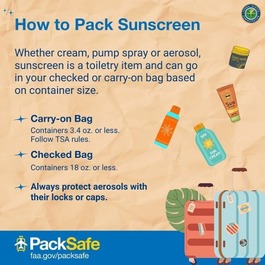
How to Pack Sunscreen
Unsure how to safely pack your skin's best summer travel buddy? No worries. Your sunscreen aerosol or cream can travel based on container size. Grab your hat, sunglasses and favorite sun protection and follow the Transportation Security Administration's 3-1-1 rules for toiletries.
Learn more at www.faa.gov/packsafe.
|
|
|

Fireworks Don't Fly
Plan to celebrate Independence Day with the dazzling lights of a fireworks display? Remember that traveling with or shipping fireworks on an airplane is not allowed! Celebrate Independence Day responsibly and PackSafe.
Learn more at www.faa.gov/packsafe.
|
|
|
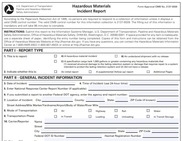
Mandatory and Voluntary Incident Reporting
Incident Reporting Saves Lives! It is critically important that all injuries and accidents, including near misses, are reported so that the causes can be determined and the risk eliminated. Reporting hazards helps prevent additional injuries and increases safety. Making an Incident Report isn't difficult, and we are here to help.
Learn more about incident reporting here.
|

The Inspection Process
We understand that having a Federal Inspector show up at your door can be quite daunting. The inspector's goal is not to issue fines or to get in the way of your operations. Their aim is to work with you to ensure compliance with the regulations, minimize risk, and ensure safety associated with the transportation of hazardous materials or dangerous goods by air.
Learn about the inspection process and what to expect here.
|
|
|

Training for Air Carriers
In general, the FAA requires two types of training programs for operators: one for part 121 and part 135 operators electing to transport dangerous goods (will-carry certificate holders), and the other for part 121 and part 135 operators electing not to transport dangerous goods (will-not-carry certificate holders).
Click here to learn more about training requirements for air carriers.
|
|
|
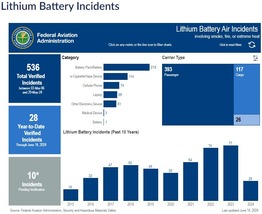
Lithium Battery Air Incidents Involving Smoke, Fire or Extreme Heat
Note: These are lithium battery related events involving smoke, fire, or extreme heat that the FAA is aware of and should not be considered a complete listing of all such incidents. The methods of collecting and recording these incidents and the data involved has changed over the life span of this chart as the FAA’s Office of Hazardous Materials Safety has evolved. The incident summaries included here are intended to be brief and objective. They do not represent all information the FAA has collected, nor do they include all investigative or enforcement action taken.
This chart was last updated on June 14, 2024.
|
|
|

You can find all prior ACs, SAFOs, InFos, orders and notices by clicking on the buttons below.
|
|
 RECENT NOTICES
|
|
 Lithium Batteries in Reverse Logistics
Do you deal with lithium batteries in the returns stream?
Lithium cells and batteries are not eligible for the reverse logistics exception, due to the risks they pose in transportation. PHMSA has created the following resources to help you package and ship lithium batteries safely:
PHMSA's Newsroom
Read the latest from PHMSA's newsroom by clicking here.
|
|
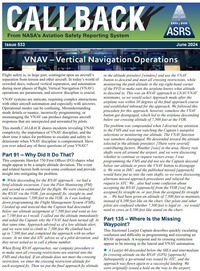
Aviation Safety Reporting System (ASRS) 'CALLBACK' Newsletter Highlights
VNAV - Vertical Navigation Operations
This month, CALLBACK shares incidents revealing VNAV complexity, the importance of VNAV discipline, and the short time it takes for problems to escalate and safety to deteriorate when VNAV discipline is compromised.
Read the full newsletter from ASRS here.
|
|
|

Date: June 6, 2024
Hazard: The recalled light’s battery can overheat and ignite the light’s plastic housing, posing fire and burn hazards to consumers.
|
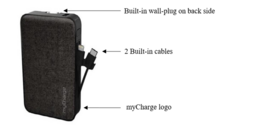
Date: June 20, 2024
Hazard: The recalled portable chargers can overheat while charging, posing fire and burn hazards.
|
 |
|
Date: June 20, 2024
Hazard: The lithium-ion battery in the recalled clippers can overheat, posing fire and burn hazards.
|
|
|
|
|