|
MAY 2024
“Hazmat Highlights” is the FAA’s Office of Hazardous Materials Safety monthly newsletter with public updates from government sources related to the safe transportation of hazardous materials by air.
|
|

Mark Your Calendar: 2024 FAA Drone and Advanced Air Mobility Symposium
This year's FAA Drone and Advanced Air Mobility (AAM) Symposium will focus on how the FAA continues to safely integrate these aircraft while creating a framework to accelerate advanced operations.
The event, which runs from July 30 – Aug 1 at the Baltimore Convention Center in Maryland, will bring together representatives from the FAA, other government agencies, international aviation experts, industry leaders and academia.
The presenters and panelists will discuss the latest information and advancements related to the diverse uses of drones and the safe integration of Advanced Air Mobility aircraft, like air taxis, into the National Airspace System.
Learn more and find out how to register here.
|
|
|

Packing electronics for your trip?
Double check your (and the kids') bags before you head to the airport. Laptops, portable power banks, cell phones and other lithium battery powered devices should be in your carry-on luggage.
For a Safe Start, Check the Chart!
|
|
|
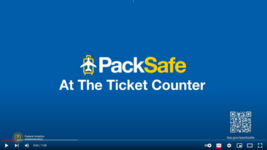
PackSafe At The Ticket Counter
Laptops, lighters, e-cigarettes, lithium batteries, paint, aerosols, fuel... these are just a few of the many common items you use everyday that are considered dangerous goods and have restrictions on how or if they can be packed in your luggage for air travel. Before you check your bag at the ticket counter with your air carrier, learn more about what items may need to be limited or left behind when you pack for your next trip at http://www.faa.gov/packsafe.
Click on the PackSafe At The Ticket Counter image above to watch a short video.
Check out the PackSafe Resources for Passengers for more videos and information to help you plan your trip.
|
|
|

New: Dry Ice Fact Sheet for Shippers & Freight Forwarders
Did you know dry ice is a dangerous good and regulated for air transportation? When shipping or handling shipments of perishable items, such as food products, pet food, medicines, medical specimens or health and wellness products with dry ice by aircraft, you must comply with the Hazardous Materials Regulations (HMR). Please know that most express and expedited shipments will likely end up on an aircraft. As a shipper or freight forwarder, you must ensure dry ice is properly prepared and declared to the air carrier. The safety of the aircraft and crew depends on it.
Visit the FAA's Resources for Shippers & E-Commerce page to review the new Dry Ice Fact Sheet for Shippers & Freight Forwarders.
|
|
|
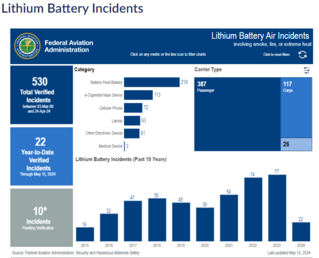
Lithium Battery Air Incidents Involving Smoke, Fire or Extreme Heat
Note: These are lithium battery related events involving smoke, fire, or extreme heat that the FAA is aware of and should not be considered a complete listing of all such incidents. The methods of collecting and recording these incidents and the data involved has changed over the life span of this chart as the FAA’s Office of Hazardous Materials Safety has evolved. The incident summaries included here are intended to be brief and objective. They do not represent all information the FAA has collected, nor do they include all investigative or enforcement action taken.
This chart was last updated on May 15, 2024.
|
|
|

|
Date
|
Document
|
Subject
|
|
05/09/2024
|
InFo 24005
|
Instrument Approach Operations with a Visual Guidance Fix (VGF) and an Extended Visual Segment
|
You can find all prior ACs, SAFOs, InFos, orders and notices by clicking on the buttons below.
|
|
 RECENT NOTICES
|
Date
|
Agency
|
Title
|
|
05/03/2024
|
DOT
|
Opportunities and Challenges of Artificial Intelligence (AI) in Transportation; Request for Information
|
|
05/09/2024
|
PHMSA
|
CORRECTON TO Rule: Hazardous Materials: Harmonization With International Standards
The Pipeline and Hazardous Materials Safety Administration is correcting a final rule that was published in the Federal Register on April 10, 2024. The final rule was published to maintain alignment with international regulations and standards by adopting various amendments, including changes to proper shipping names, hazard classes, packing groups, special provisions, packaging authorizations, air transport quantity limitations, and vessel stowage requirements. The corrections address several errors to the hazardous material entries in the hazardous materials table.
|
|
05/10/2024
|
PHMSA
|
Hazardous Materials: Information Collection Activities
|
|
05/13/2024
|
PHMSA
|
CORRECTON TO Rule: Hazardous Materials: Harmonization With International Standards
In rule document 2024-06956 beginning on page 25434 in the issue of Wednesday, April 10, 2024, correction were made to the Hazardous Materials Table.
|
|
05/20/2024
|
OSHA
|
Final Rule: Hazard Communication Standard
|
|
05/24/2024
|
PHMSA
|
Proposed Rule: Hazardous Materials: Adjusting Registration and Fee Assessment Program
|
|
|
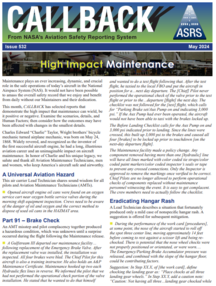
Aviation Safety Reporting System (ASRS) 'CALLBACK' Newsletter Highlights
High Impact Maintenance
This month, CALLBACK has selected reports that demonstrate the high impact that maintenance can wield, be it positive or negative.
Read the full newsletter from ASRS here.
|
|
|
OSHA's Final Rule to Amend the Hazard Communication Standard
OSHA has issued a final rule that updates the Hazard Communication Standard (HCS) to align primarily with the seventh revision of the United Nations’ Globally Harmonized System of Classification and Labelling of Chemicals (GHS). The final rule was published on May 20, 2024 and takes effect on July 19, 2024.
Click here to learn more about the final rule.
|
|
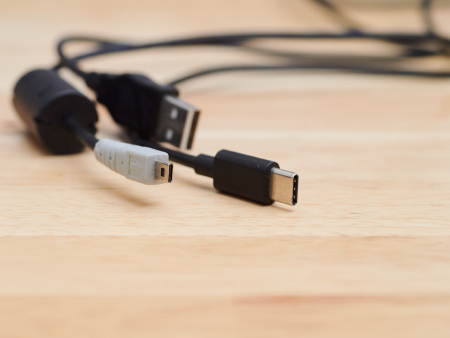
Tips to Help Charge Medical Devices Safely and Avoid Overheating
The FDA is offering tips to help you charge your medical devices safely. Charging medical devices the wrong way can lead to overheating, which can result in fires, minor injuries, or serious burns.
Medical devices that use a USB charger include hearing aids, glucose monitors, insulin pumps, and a wide variety of other products. The FDA is offering tips to help reduce the risks of your device overheating.
Visit the FDA website to learn 7 Tips to Help Charge Medical Devices Safely.
|
|
|
|
|
|