
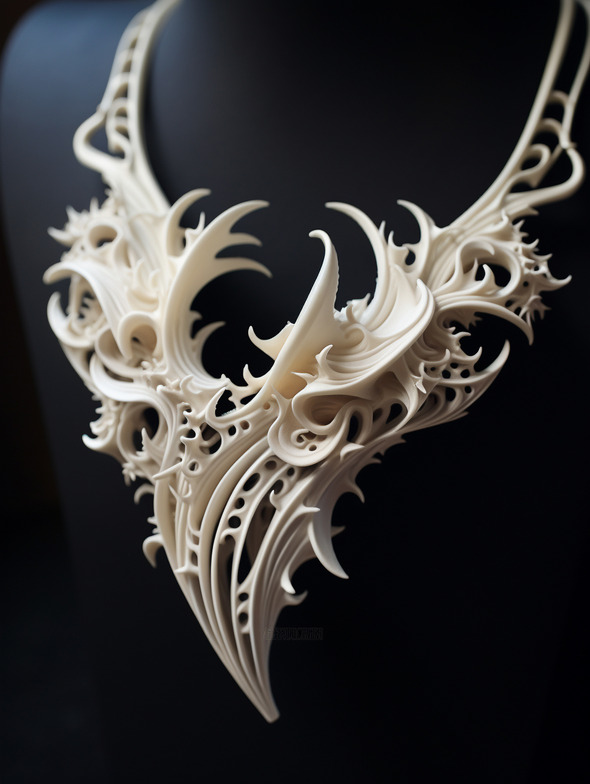
3D Printing: A New Era for Businesses in the art and craft sectors – fully founded support available!
Shropshire Council sent this bulletin at 15-02-2024 09:15 AM GMT
|


To make sure you're receiving information on areas that are relevant to you, why not click on the "Preferences" button below. This will show you the full list of topics available to you, and you can select other topics that you would like to hear about.
| Preferences | Privacy | Contact | Help |
| Unsubscribe all |
This email from Shropshire Council (or one of our partners/service providers) has been delivered through the Govdelivery system, in line with our privacy statement.
Subscriber information Information is stored securely in the USA, and Granicus gives an undertaking to process information in accordance with EU ES Privacy Shield, which meets UK Data Protection Act requirements. For further reassurance take a look at Granicus’s govDelivery subscriber/participant Privacy Policy.
To contact us about the content of this particular email or to raise any related service requests or queries, please use the links provided in the message above or visit our website to find the contact details for the service area you require.
Please do not reply directly to this email as it will not get seen.
If you do have any general queries or suggestions about our Govdelivery service, or need help unsubscribing, please let us know.
|
STAY CONNECTED: |


