|

Sorted!
Waste news
|
 |
|
|
|
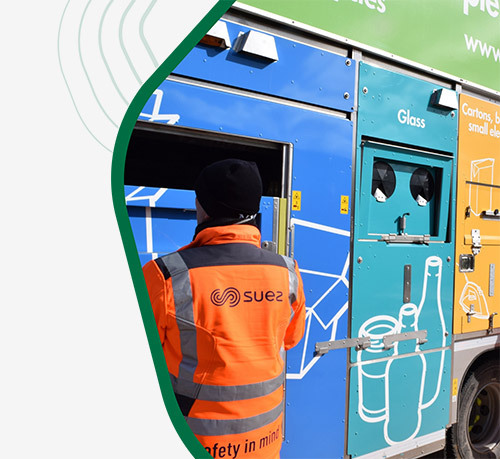
Somerset Council is improving recycling collections for around 13,000 households living in flats and other communal buildings. The new service will start from the end of March and will allow residents to recycle more materials from home.
Everyone affected will receive a leaflet explaining the changes and when they will begin.
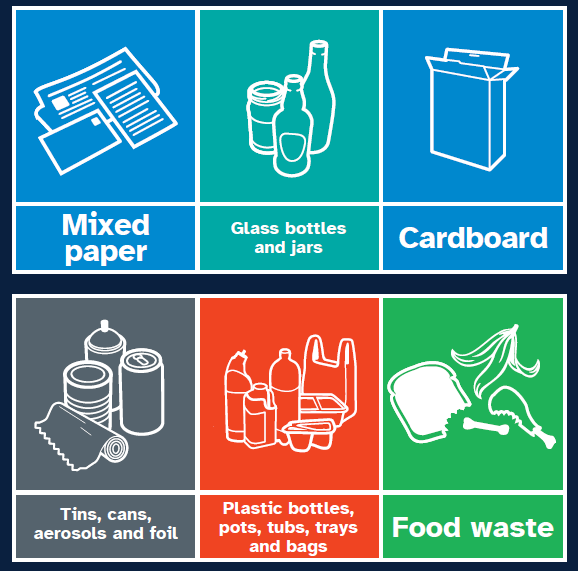
Residents with communal recycling collections will soon be able to recycle a wider range of items, including plastic containers, tins and cans, foil, aerosols, glass bottles and jars, cartons, food waste, and soft plastics such as plastic bags and wrappers.
These upgrades are funded through the Government’s Simpler Recycling programme to ensure consistent recycling services across England.
You might’ve heard the news about big recycling changes coming to England - even rumours of extra bins - this is due to the new Simpler Recycling rules.
But no need to worry, the rest of the country is simply catching up with us.
The new rules mean every household and workplace in England must collect the same core materials - food waste, plastics, paper, card, glass, cartons, metals and garden waste.
This might sound familiar to you, Somerset has been ahead of many local authorities in the country, collecting all of the required materials (and more) for many years.
So the main thing to remember is, unless you have one our communal collections, there will be no changes and no extra bins. Just keep recycling as you always do!
|
|
|
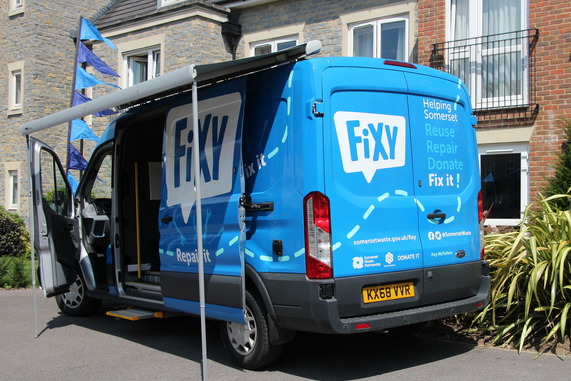
Residents across Somerset, Devon, North Somerset and Dorset can now recycle or donate their unwanted small electricals at 40 new Fixy drop‑off points located in libraries and community venues.
The expanded network, funded by Material Focus, aims to make it easier for nearly one million households to pass on unwanted items such as laptops, tablets and mobile phones. Every donated device will be securely wiped by the digital inclusion charity Donate IT, with suitable items refurbished and given to people who need them. Anything that can’t be repaired will be responsibly recycled.
Fixy hopes to collect around 26 tonnes of smart tech over the next year. The project is also looking for volunteers and additional community venues interested in hosting drop‑off points. If you want to find out more visit the new Fixy website.
The Fixy team will soon share details of the new recycling points, and making use of HypnoCat, the Recycle Your Electricals campaign mascot, explaining how to recycle your electricals.
To find your nearest drop‑off point, visit the Recycle Your Electricals website.
Our listing for repair groups in the county has now been updated with dates of when they will be running until June this year (where dates have been announced).
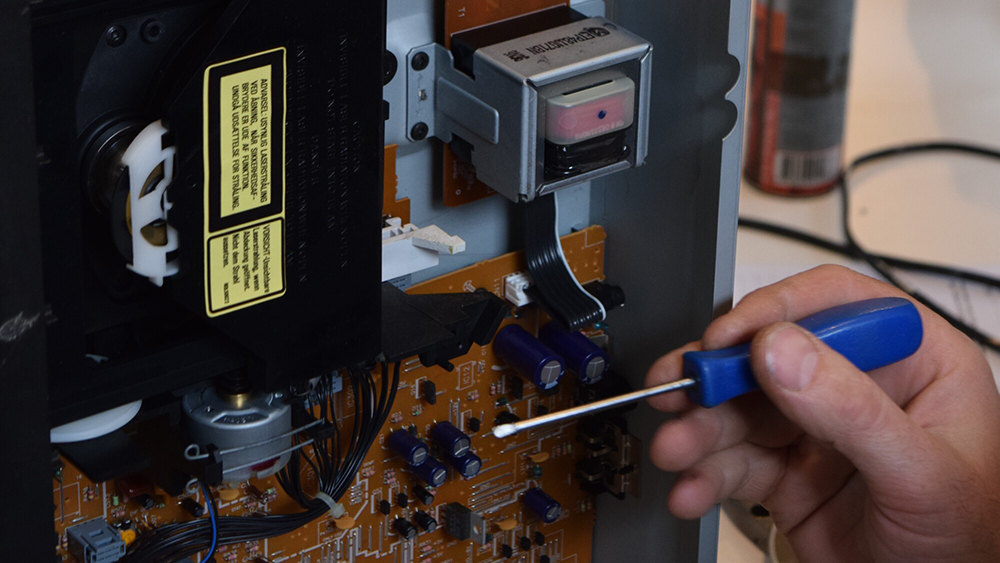
We’ve got more than 20 repair groups that span the county, all run by volunteers and each group able to fix a variety of items.
We’ve made it even easier to find one that’s local to you. Our interactive map can help you to find your nearest group.
Volunteers at repair groups can help with anything from sewing repairs, to fixing a vacuum cleaner or a bicycle. It's always best to check with your local group to find out what type of repair projects they can help with.
Somerset repair groups are run by volunteers and most in Somerset are supported by CAG Somerset, a free-to-join membership organisation that helps a thriving network of local Community Action Groups.
Recycling is great, but reducing and reusing is even better. Reusing items, for their original purpose or a new purpose, gives them a new lease of life and helps us reduce waste.
|
|
|
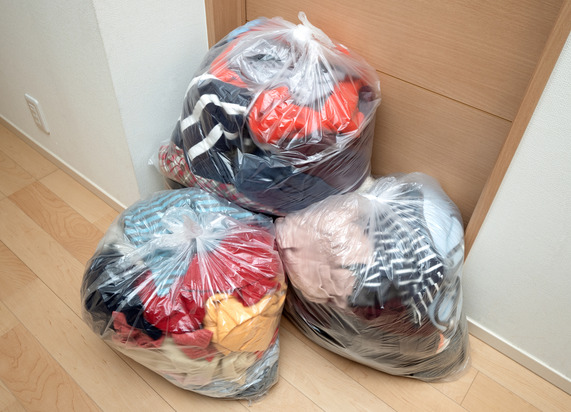
Image courtesy of Y-Studio via Getty.
Textile recycling banks at our Recycling Sites have recently changed and we can share an updated list with what can be accepted.
Clean dry clothes, paired shoes, handbags, belts, accessories, bedding (sheets), curtains, belts, towels, tea towels. Please bag up your textiles, and make sure that they are clean and dry before putting in the recycling banks.
We will not be able to recycle anything that has been contaminated with wet textiles, duvets, pillows, cloths or rags.
For kerbside recycling collections we can accept clean, wearable clothes and shoes. Please bag these up and leave with your next collection.
Image courtesy of John Cameron via Unsplash
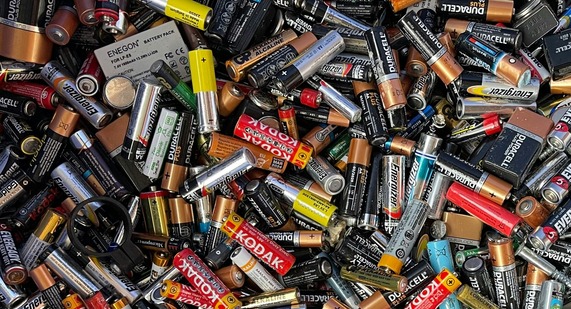
If you’ve got old batteries to get rid of, please don’t put them in your rubbish bin or leave them loose in your recycling boxes or bags.
Batteries can easily start a fire in trucks or back at the depot when they get crushed, this can be very dangerous, damaging our facilities, trucks or worse, our crews.
Please remove batteries from gadgets, toys or devices and put them out for recycling in a clear, tied plastic bag (like a bread or sandwich bag) placed on top of one of your recycling boxes where it can be clearly seen.
If the batteries cannot be removed, put the whole item out for recycling as a small electrical item. Put it in a separate untied carrier bag and leave this on top of a recycling box. If you have a large electrical item with a battery that cannot be removed, take this to your local recycling site.
|
Did you spot our advert on TV over Christmas? Our food waste participation is very high, compared to the national average, we know around 7 in 10 households regularly put their food waste out for recycling. But there’s always more we can all do.
We’re encouraging everyone to do their bit when it comes to food waste recycling. Whether that’s doing a bit more, like recycling food waste that’s gone-off before it’s been eaten. Recycling plate scrapings or simply starting to recycle food waste if you don’t already.
|
|
 |
|
|
|
|
|